Introduction
Periods are a normal part of reproductive health, but they can bring symptoms such as cramps, bloating, fatigue, mood changes, and lower back pain. While these symptoms are common, they affect everyone differently. Understanding your menstrual cycle can help you manage discomfort and make informed choices about your health.
This guide covers practical ways to improve period comfort, including choosing the right menstrual products, relieving cramps, eating a balanced diet, staying active, improving sleep, and building a simple self-care routine. You’ll also learn when period symptoms may require medical attention and which warning signs should never be ignored.
The information is based on guidance from trusted organizations, including the American College of Obstetricians and Gynecologists (ACOG), the World Health Organization (WHO), and the Centers for Disease Control and Prevention (CDC). It is intended for educational purposes and should not replace personalized medical advice from a qualified healthcare provider.
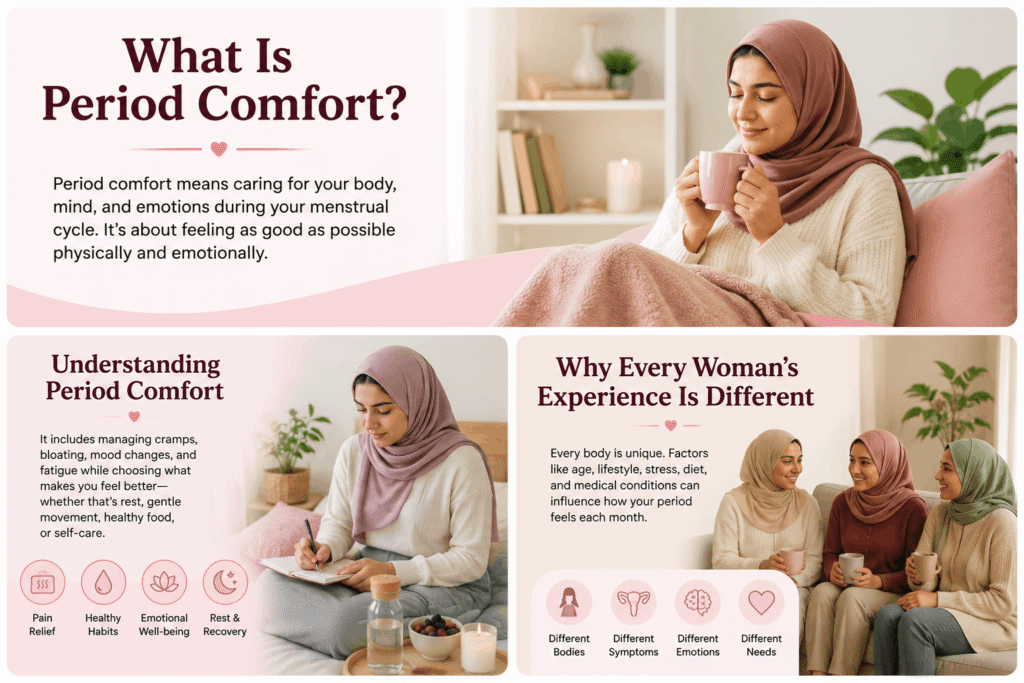
Table of Contents
Why Period Comfort Matters
Managing period discomfort can help you stay active, sleep better, and feel more comfortable throughout your menstrual cycle. Simple self-care habits, good menstrual hygiene, and the right products can often make a noticeable difference in your daily life. If your symptoms are severe, unusually heavy, or interfere with normal activities, it’s important to speak with a healthcare provider.
What You’ll Learn in This Guide
This guide provides evidence-based information to help you better understand your menstrual cycle and improve comfort during your period.
You will learn about:
- What period comfort really means
- The normal stages of the menstrual cycle
- Why hormones affect pain, mood, and energy
- The best menstrual products for different lifestyles
- Safe ways to relieve cramps naturally and medically
- Nutrition, hydration, and exercise during menstruation
- Emotional self-care during your cycle
- Signs You Should Contact a Healthcare Provider
The goal is to provide practical, medically responsible information that helps you care for your reproductive health with confidence.
Medical Disclaimer
This article is for educational purposes only and is not a substitute for professional medical advice, diagnosis, or treatment. If you experience severe pain, unusually heavy bleeding, missed periods, sudden changes in your menstrual cycle, or other concerning symptoms, consult a qualified healthcare provider promptly. Recommendations are based on guidance from trusted organizations, including ACOG, WHO, and the CDC.
If you’re pregnant and wondering which foods, activities, and everyday habits are safest, read our 35 Things to Avoid During Pregnancy (Foods, Activities, Habits, and Hidden Risks) for evidence-based guidance.
What Is Period Comfort?
Understanding Period Comfort
Period comfort refers to the physical, emotional, and practical steps that help you feel more comfortable before, during, and after your menstrual period.
It includes choosing the right menstrual products, managing cramps, staying hydrated, eating nutritious foods, getting enough sleep, exercising gently, and maintaining good menstrual hygiene. The goal is to reduce discomfort and support your daily activities.
Why Every Woman’s Experience Is Different
Every menstrual cycle is unique. While some women have mild symptoms, others experience discomfort that affects daily life.
Factors such as hormones, age, stress, sleep, nutrition, physical activity, and certain medical conditions can all influence how you feel during your period. Your symptoms may also change over time due to pregnancy, hormonal contraception, or menopause.
What Is Considered a Normal Period?
A typical menstrual cycle lasts 21–35 days, with bleeding lasting 2–7 days. Mild to moderate cramps, temporary fatigue, mood changes, and moderate bleeding are generally considered normal. Tracking your cycle can help you recognize what’s typical for your body and notice any unusual changes.
When Period Discomfort May Signal a Medical Condition
Although some discomfort is common, severe symptoms should be evaluated by a healthcare provider. Seek medical advice if you experience severe pelvic pain, very heavy bleeding, periods lasting longer than seven days, frequent large blood clots, bleeding between periods, or sudden changes in your menstrual cycle.
These symptoms may be linked to conditions such as endometriosis, uterine fibroids, adenomyosis, PCOS, or other medical conditions, where early diagnosis can improve treatment outcomes.
Regular movement can support overall maternal health. Learn safe routines in our Study-Proven Pregnancy Exercises for Beginners: A Complete Guide from Months 1–9, based on expert recommendations.
Understanding the Menstrual Cycle
The Four Phases of the Menstrual Cycle
The menstrual cycle is a repeating sequence of hormonal changes that prepares the body for a possible pregnancy each month. While a 28-day cycle is often used as an example, healthy cycles vary considerably.
Understanding each phase helps explain why symptoms change throughout the month.
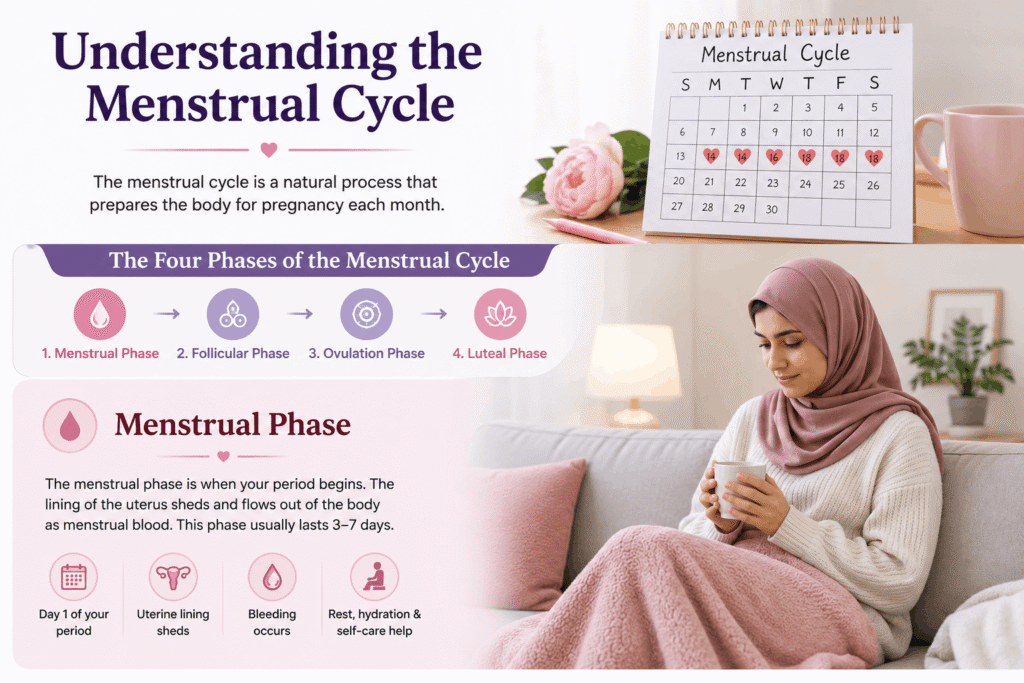
Menstrual Phase
The menstrual phase begins on the first day of bleeding.
If pregnancy has not occurred, hormone levels fall, causing the uterus to shed its lining. This produces menstrual bleeding.
Common symptoms include:
- Menstrual cramps
- Fatigue
- Lower back pain
- Breast tenderness
- Bloating
- Headaches
- Mood changes
Many women benefit from rest, hydration, heating pads, gentle stretching, and appropriate pain relief during this phase.
Follicular Phase
The menstrual cycle enters the follicular phase on the first day of bleeding and continues until ovulation.
During this phase:
- The brain releases follicle-stimulating hormone (FSH).
- Several ovarian follicles begin developing.
- One follicle usually becomes dominant and matures.
- Estrogen levels gradually rise.
- The uterine lining begins rebuilding.
Many women notice:
- Increased energy
- Improved concentration
- Better mood
- Greater motivation for exercise
This phase is often associated with feeling physically stronger and mentally refreshed.
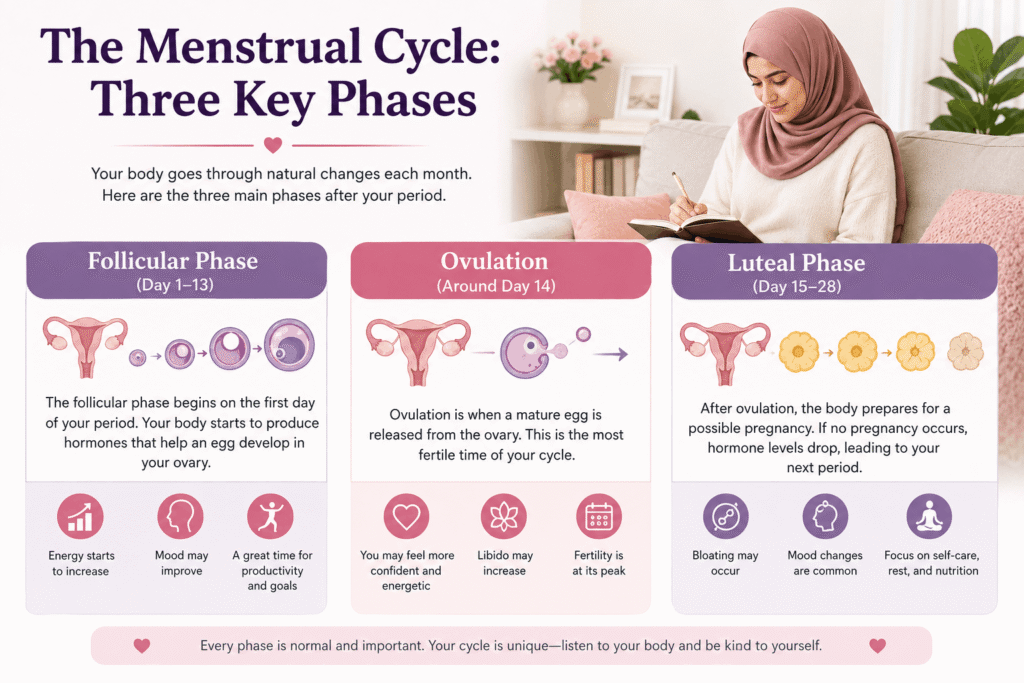
Ovulation
Ovulation usually occurs around the middle of the menstrual cycle, although timing varies between individuals.
A surge in luteinizing hormone (LH) causes the ovary to release a mature egg.
During ovulation, some women experience:
- Mild pelvic pain (mittelschmerz)
- Increased cervical mucus
- Higher sexual desire
- Slight increase in body temperature after ovulation
The egg remains available for fertilization for approximately 12 to 24 hours.
Luteal Phase
The luteal phase begins after ovulation and continues until the next menstrual period.
The ruptured follicle becomes the corpus luteum, which produces progesterone to prepare the uterus for pregnancy.
If pregnancy does not occur:
- Progesterone levels decline.
- Estrogen decreases.
- The uterine lining begins breaking down.
- A new menstrual period starts.
Common symptoms include:
- Premenstrual syndrome (PMS)
- Breast tenderness
- Bloating
- Food cravings
- Mood changes
- Fatigue
- Acne flare-ups
- Sleep disturbances
Balanced nutrition, regular exercise, stress management, and adequate sleep may help reduce these symptoms.
Hormonal Changes During Your Cycle
Hormones act as chemical messengers that coordinate each phase of the menstrual cycle.
The primary reproductive hormones include:
- Estrogen
- Progesterone
- Follicle-stimulating hormone (FSH)
- Luteinizing hormone (LH)
Estrogen gradually rises before ovulation, supporting the growth of the uterine lining and often improving mood and energy. After ovulation, progesterone becomes the dominant hormone, helping prepare the uterus for a possible pregnancy.
When estrogen and progesterone levels drop near the end of the cycle, menstruation begins. These hormonal changes explain why symptoms such as cramping, bloating, headaches, breast tenderness, and emotional changes often occur at predictable times each month.
Studies have found that hormonal fluctuations also influence sleep quality, appetite, metabolism, and pain perception throughout the menstrual cycle.
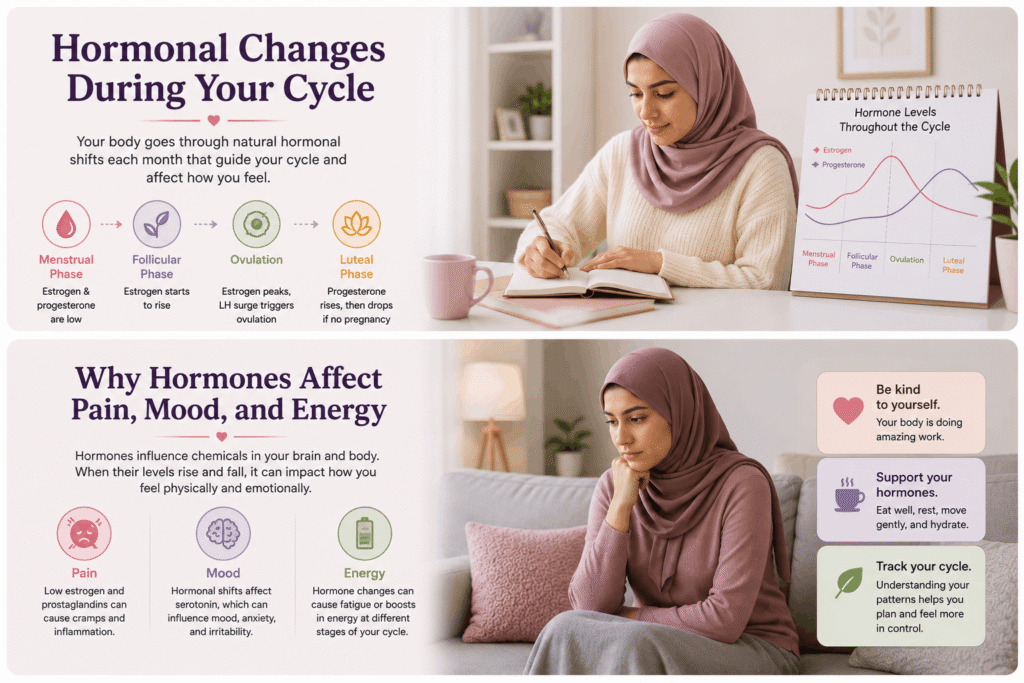
Why Hormones Affect Pain, Mood, and Energy
Hormones interact closely with the nervous system, immune system, and brain chemicals that regulate emotions and physical sensations.
For example:
- Falling progesterone and estrogen levels may increase the production of prostaglandins, which cause the uterus to contract and contribute to menstrual cramps.
- Hormonal shifts can influence serotonin, a neurotransmitter involved in mood, sleep, and emotional well-being.
- Changes in hormone levels may temporarily affect energy levels, motivation, concentration, and appetite.
Research suggests that maintaining healthy lifestyle habits can lessen the impact of these hormonal fluctuations. Helpful strategies include:
- Eating balanced, nutrient-rich meals
- Drinking enough water
- Getting regular physical activity
- Sleeping 7–9 hours each night
- Practicing relaxation techniques such as deep breathing or mindfulness
- Limiting smoking and excessive alcohol consumption
If mood changes, pain, or fatigue become severe or consistently interfere with daily life, healthcare professionals recommend seeking medical evaluation to rule out underlying conditions and discuss appropriate treatment options.
Healthy nutrition plays an important role throughout pregnancy. Explore our Complete Pregnancy Diet Plan Month-by-Month (What to Eat & Avoid) for trimester-specific meal guidance.
Common Period Symptoms
Menstruation affects the body in many different ways. While some women experience only mild discomfort, others may notice a combination of physical and emotional symptoms that vary from month to month. These changes are largely influenced by fluctuating hormone levels and the body’s natural production of prostaglandins—hormone-like substances involved in uterine contractions.
According to the American College of Obstetricians and Gynecologists (ACOG), mild to moderate menstrual symptoms are common and often improve with simple self-care. However, symptoms that are severe, persistent, or interfere with daily life should be evaluated by a healthcare professional.
Physical Symptoms
Physical symptoms are the most noticeable part of many menstrual cycles. They often begin one to three days before bleeding starts or during the first few days of the period. Most symptoms gradually improve as hormone levels stabilize.
Cramps
Menstrual cramps, medically known as primary dysmenorrhea, are one of the most common period symptoms. They occur when the uterus contracts to shed its lining.
Cramping is usually felt in the lower abdomen but may also spread to the lower back or thighs. The discomfort can range from a dull ache to stronger, wave-like pain during the first one to three days of menstruation.
Research suggests that prostaglandins play a major role in menstrual cramps. Higher prostaglandin levels are associated with stronger uterine contractions and increased pain.
Self-care strategies that may help include:
- Applying a heating pad or hot water bottle to the lower abdomen
- Gentle walking or stretching
- Staying hydrated
- Getting enough sleep
- Taking over-the-counter anti-inflammatory medications, such as ibuprofen or naproxen, when appropriate and recommended by a healthcare provider
If cramps become severe enough to prevent normal daily activities or suddenly worsen after years of mild periods, medical evaluation is recommended to rule out conditions such as endometriosis or adenomyosis.
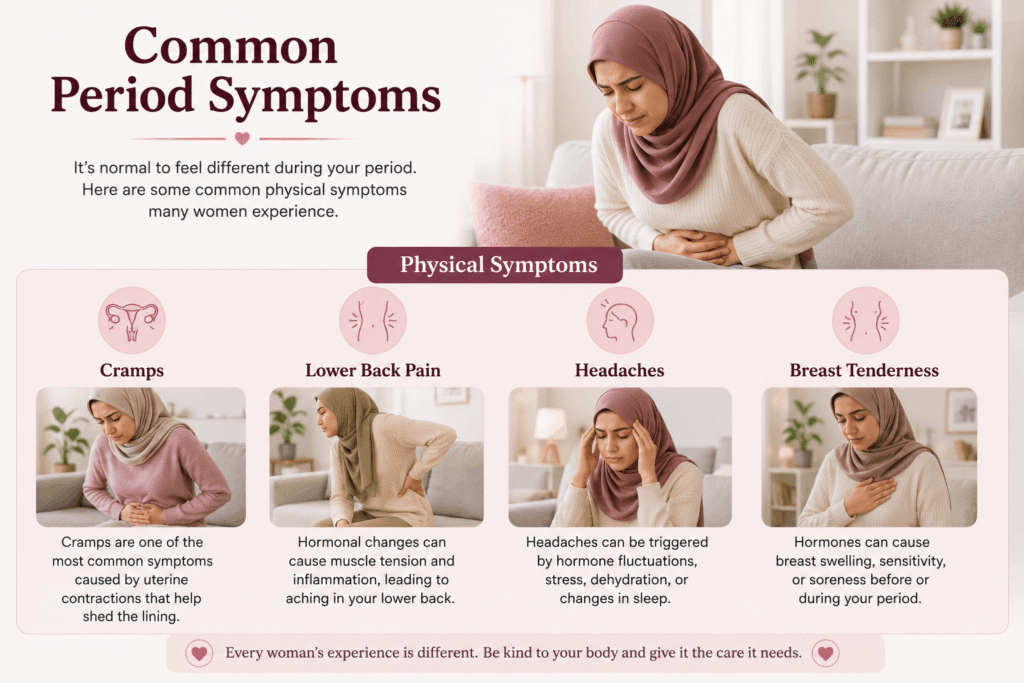
Lower Back Pain
Many women experience aching or stiffness in the lower back during menstruation. This discomfort often occurs because uterine contractions can affect nearby muscles and nerves in the pelvis and lower spine.
Lower back pain may feel worse during the first two days of the period and often improves as menstrual flow decreases.
Helpful ways to reduce discomfort include:
- Using heat therapy
- Gentle stretching exercises
- Walking
- Maintaining good posture
- Light massage
- Taking recommended pain-relief medication if necessary
Persistent or severe back pain, especially when accompanied by heavy bleeding or pelvic pain, should be discussed with a healthcare provider.
If you’re experiencing nausea, fatigue, or other early symptoms, our guide to Early Pregnancy Problems and Safe Solutions at Home explains common concerns and practical self-care tips.
Headaches
Some women develop headaches or migraines before or during menstruation due to changing estrogen levels.
Hormonal headaches often occur in the days leading up to a period and may include:
- Throbbing pain
- Sensitivity to light
- Nausea
- Increased sensitivity to sound
Experts commonly recommend:
- Drinking enough water
- Eating regular meals
- Limiting skipped meals
- Getting adequate sleep
- Managing stress
- Following a healthcare provider’s treatment plan if migraines are frequent
Women who experience severe menstrual migraines should speak with a healthcare professional about preventive treatment options.
Breast Tenderness
Breast soreness or tenderness commonly develops before menstruation because of hormonal changes, particularly fluctuations in estrogen and progesterone.
Women may notice:
- Swelling
- Fullness
- Increased sensitivity
- Mild aching
Symptoms usually improve once menstrual bleeding begins.
Wearing a supportive bra, limiting excess sodium intake, staying hydrated, and maintaining regular physical activity may reduce discomfort for some women.
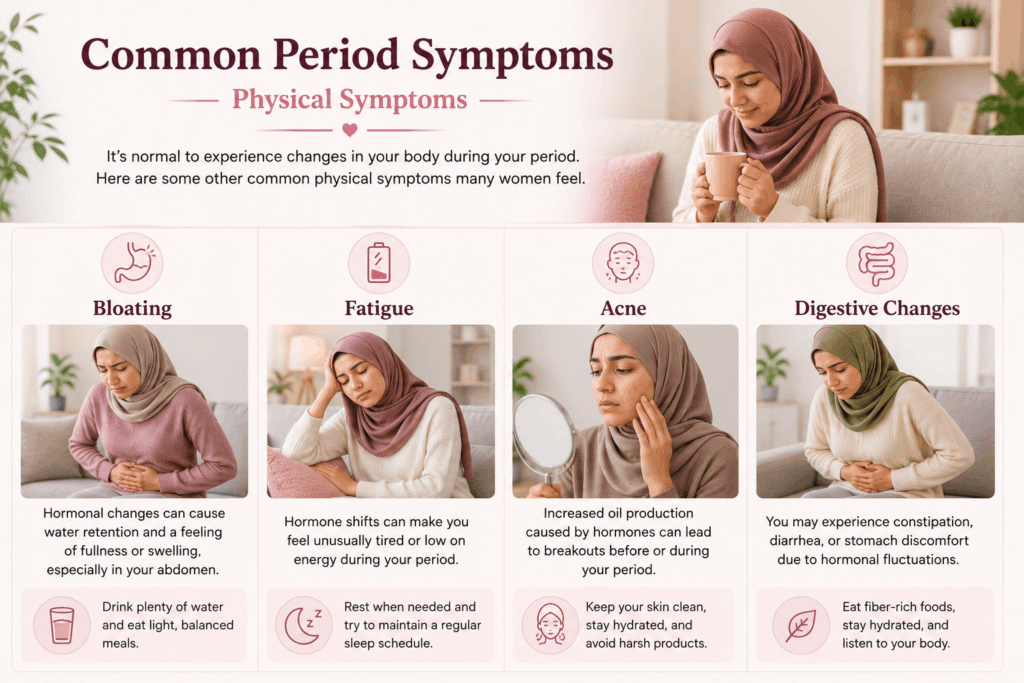
Bloating
Bloating is a common symptom caused by temporary fluid retention and hormonal changes during the menstrual cycle.
Many women notice:
- A feeling of fullness
- Mild abdominal swelling
- Tight-fitting clothing
- Temporary weight fluctuations
Research suggests that bloating often improves naturally after the first few days of menstruation.
Practical self-care tips include:
- Drinking plenty of water
- Eating potassium-rich foods such as bananas and leafy greens
- Limiting highly processed, salty foods
- Staying physically active
- Eating smaller, balanced meals throughout the day
Fatigue
Feeling tired during your period is common. Hormonal changes, poor sleep, menstrual discomfort, and blood loss may all contribute to lower energy levels.
Some women experience:
- Reduced stamina
- Difficulty concentrating
- Sleepiness
- Lower motivation for physical activity
Supporting your energy levels may include:
- Prioritizing quality sleep
- Eating iron-rich foods if menstrual flow is heavy
- Staying hydrated
- Taking short walks
- Avoiding excessive caffeine late in the day
If fatigue is severe, persistent, or accompanied by dizziness and heavy bleeding, healthcare providers may recommend evaluation for iron deficiency or anemia.
Breast changes are common during pregnancy. Learn how to check your breasts safely with our How to Perform Breast Self-Examination During Pregnancy (Safe & Doctor-Approved Guide).
Acne
Hormonal fluctuations before menstruation can increase oil production in the skin, leading to acne breakouts.
Common areas include:
- Chin
- Jawline
- Lower cheeks
Keeping a consistent skincare routine may help minimize breakouts. This includes:
- Washing the face gently twice daily
- Using non-comedogenic skincare products
- Avoiding picking or squeezing pimples
- Consulting a dermatologist if acne becomes severe or persistent
Digestive Changes
Hormones and prostaglandins can also affect the digestive system during menstruation.
Some women experience:
- Diarrhea
- Constipation
- Nausea
- Gas
- Mild stomach discomfort
These symptoms often subside after a few days.
Eating fiber-rich foods, drinking enough fluids, and choosing smaller, balanced meals may help support digestive comfort during your period.
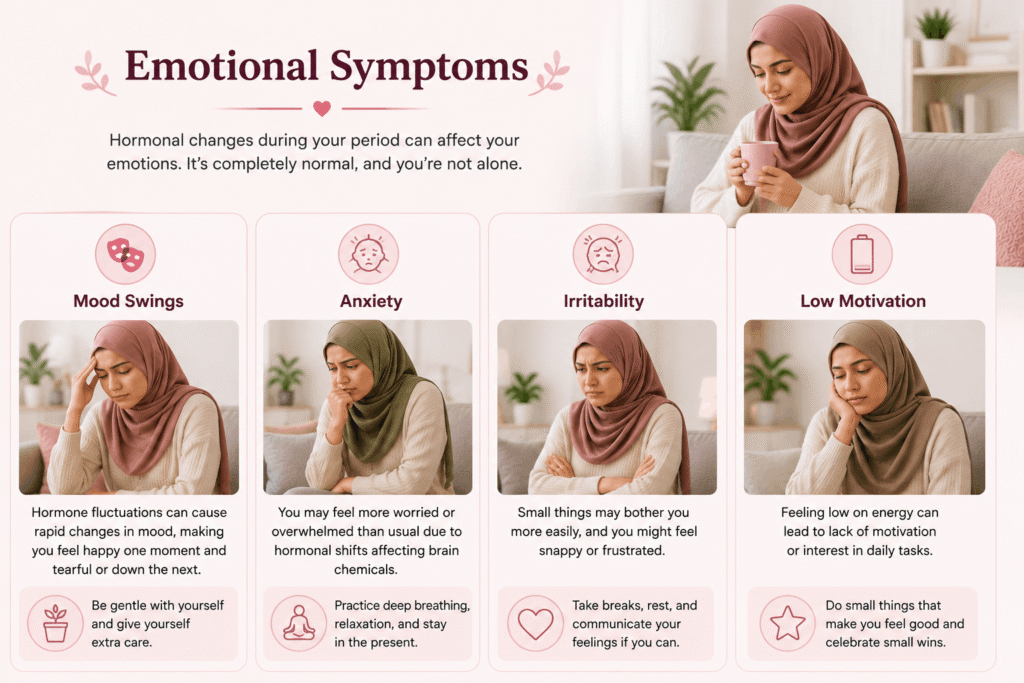
Emotional Symptoms
Hormonal changes can influence emotional well-being throughout the menstrual cycle. These feelings are common and usually temporary, but they should not significantly interfere with daily life.
Mood Swings
Many women notice emotional ups and downs before or during menstruation.
Mood swings may include:
- Feeling unusually emotional
- Crying more easily
- Temporary sadness
- Feeling overwhelmed
Studies have found that changing estrogen and progesterone levels can affect brain chemicals involved in emotional regulation.
Helpful strategies include:
- Maintaining a regular sleep schedule
- Staying physically active
- Talking with supportive family or friends
- Practicing relaxation techniques
- Reducing unnecessary stress where possible
Anxiety
Some women experience increased nervousness or anxiety before their period.
Symptoms may include:
- Excessive worrying
- Restlessness
- Difficulty relaxing
- Feeling tense
Mindfulness exercises, deep breathing, light exercise, and adequate sleep may help reduce mild anxiety symptoms.
If anxiety becomes severe or occurs throughout the month, professional evaluation is recommended.
Irritability
Feeling easily frustrated or impatient is another common menstrual symptom.
Hormonal fluctuations combined with poor sleep, discomfort, and stress can contribute to irritability.
Experts commonly recommend:
- Taking short breaks during stressful situations
- Prioritizing sleep
- Staying hydrated
- Limiting excessive caffeine if it worsens symptoms
- Engaging in enjoyable, relaxing activities
Low Motivation
Many women notice lower motivation or reduced productivity during certain phases of the menstrual cycle.
You may feel:
- Less energetic
- Less focused
- Less interested in regular activities
This temporary change often improves as hormone levels stabilize.
Giving yourself permission to slow down when needed, while maintaining healthy routines, can support overall well-being.
Symptoms That Require Medical Evaluation
Although menstrual discomfort is common, certain symptoms may indicate an underlying health condition.
Situations that require medical evaluation include:
- Severe pelvic pain that prevents normal daily activities
- Heavy bleeding requiring pad or tampon changes every hour for several consecutive hours
- Menstrual periods lasting longer than seven days
- Bleeding between periods
- Large blood clots occurring regularly
- Fever during menstruation
- Fainting or severe dizziness
- Pain during sexual intercourse
- Symptoms that suddenly become much worse than usual
- Missed periods without pregnancy
- Persistent fatigue with heavy menstrual bleeding
According to ACOG, these symptoms may be associated with conditions such as endometriosis, uterine fibroids, adenomyosis, pelvic inflammatory disease, bleeding disorders, or hormonal imbalances. Early medical assessment can improve diagnosis and treatment.
Understanding fetal position can help you prepare for birth. Read our article on Can an Incorrect Position Affect Uterine Size in Pregnancy? to learn more about common concerns.
Why Periods Can Feel Uncomfortable
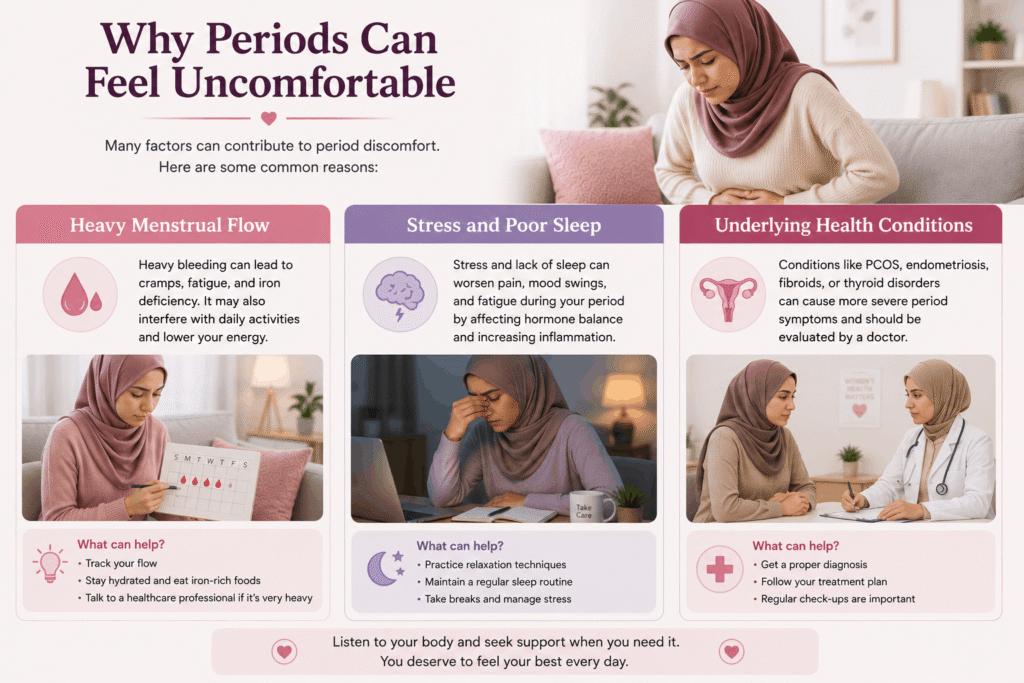
Period discomfort is caused by several biological processes working together. Hormones, uterine contractions, inflammation, stress, sleep quality, and underlying medical conditions can all influence how you feel during your menstrual cycle.
Understanding these factors can help you choose appropriate self-care strategies and recognize when professional medical advice is needed.
Prostaglandins and Uterine Contractions
Prostaglandins are natural chemicals produced by the lining of the uterus before menstruation.
Their primary role is to trigger uterine contractions that help shed the uterine lining during your period.
Research suggests that women with higher prostaglandin levels often experience:
- Stronger cramps
- Lower back pain
- Nausea
- Diarrhea
- Headaches
Nonsteroidal anti-inflammatory drugs (NSAIDs), such as ibuprofen, work by reducing prostaglandin production and are commonly recommended by healthcare professionals when appropriate.
Applying heat and staying physically active may also reduce muscle tension and improve comfort.
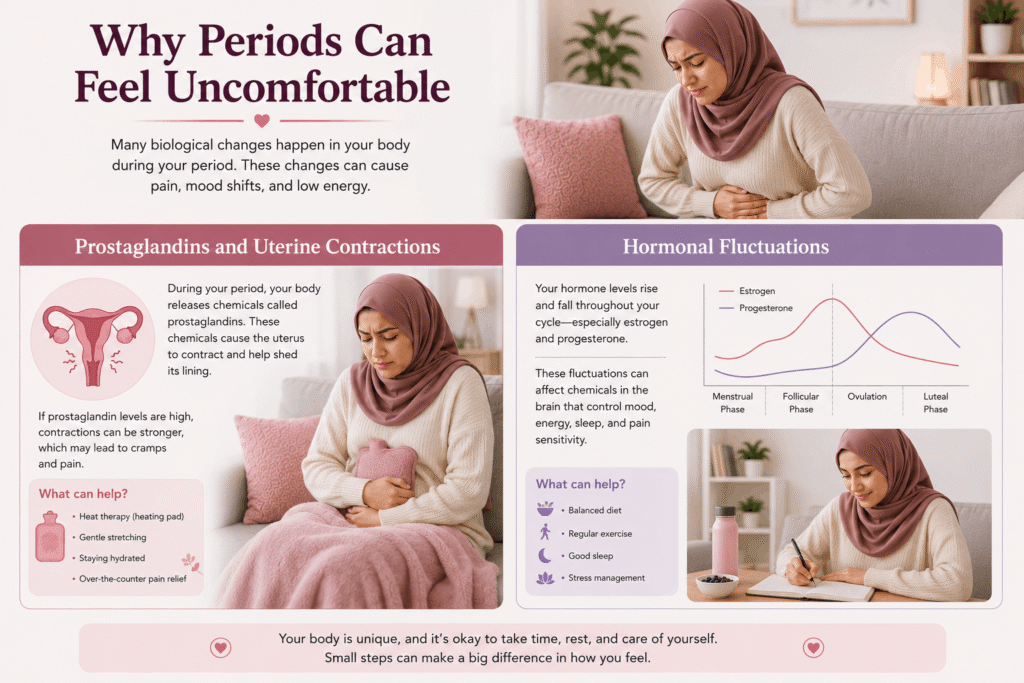
Hormonal Fluctuations
Throughout the menstrual cycle, estrogen and progesterone rise and fall naturally.
These hormonal shifts affect many body systems, including the brain, digestive tract, muscles, skin, and reproductive organs.
As hormone levels change, women may notice:
- Mood swings
- Breast tenderness
- Fatigue
- Food cravings
- Bloating
- Headaches
- Acne
- Sleep changes
Studies have found that these hormonal fluctuations are a normal part of the menstrual cycle, although symptom severity varies between individuals
Heavy Menstrual Flow
Women with heavier periods often experience greater discomfort because the uterus must contract more forcefully to expel the thicker uterine lining.
Heavy bleeding may also increase the risk of iron deficiency and anemia over time.
Symptoms related to heavy menstrual flow include:
- Increased cramping
- Fatigue
- Weakness
- Dizziness
- Shortness of breath
WHO and healthcare experts recommend seeking medical evaluation if heavy bleeding becomes excessive or persistent
Stress and Poor Sleep
Stress does not directly cause menstruation, but it can make period symptoms feel more intense.
Poor sleep and chronic stress may contribute to:
- Increased pain sensitivity
- More severe cramps
- Headaches
- Fatigue
- Mood changes
- Reduced concentration
Healthy habits that support better sleep and stress management include:
- Keeping a regular bedtime
- Limiting screen time before sleep
- Gentle physical activity
- Deep breathing exercises
- Mindfulness or meditation
- Spending time outdoors when possible
Research suggests that managing stress may improve both physical and emotional menstrual symptoms.
Underlying Health Conditions
Sometimes period discomfort is caused by an underlying medical condition rather than normal menstrual changes.
Conditions that may contribute include:
- Endometriosis
- Adenomyosis
- Uterine fibroids
- Polycystic ovary syndrome (PCOS)
- Pelvic inflammatory disease (PID)
- Bleeding disorders
- Thyroid disorders
If pain is severe, symptoms continue to worsen, or menstrual changes become significantly different from your usual pattern, experts recommend scheduling an evaluation with a healthcare professional.
Early diagnosis and treatment can help relieve symptoms, protect reproductive health, and improve overall quality of life.
Some pregnancy symptoms need immediate medical attention. Our guide on When to Go to Hospital During Pregnancy explains the warning signs you should never ignore.
Period Comfort Guide: Products, Pain Relief & Self-Care
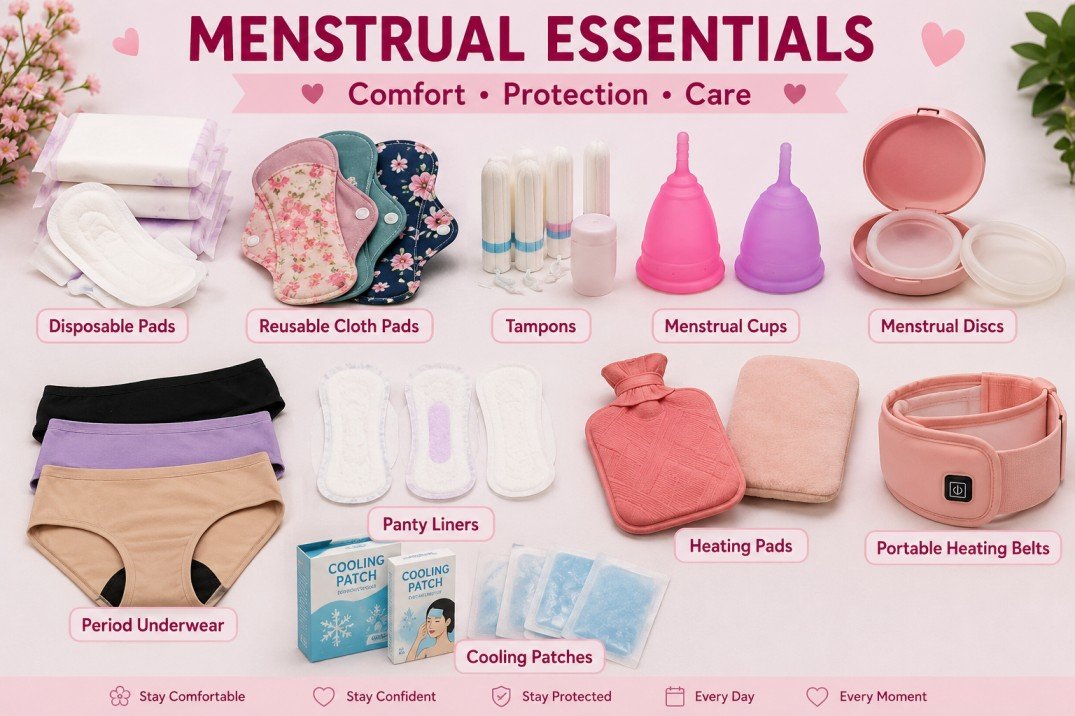
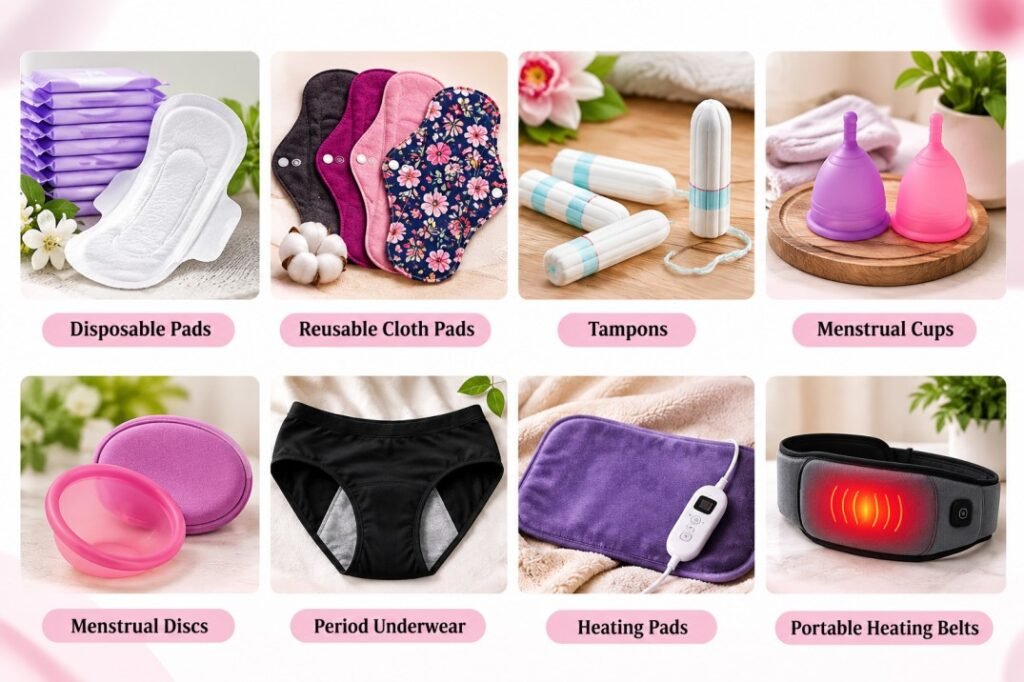
Choosing the right menstrual products can make a significant difference in how comfortable you feel during your period.
The best option depends on your menstrual flow, daily routine, personal preferences, and any medical considerations. Some women prefer disposable products for convenience, while others choose reusable options for cost savings or environmental reasons.
According to the American College of Obstetricians and Gynecologists (ACOG), there is no single “best” menstrual product for everyone.
The most appropriate choice is one that is safe, comfortable, suits your lifestyle, and is used according to the manufacturer’s instructions. Maintaining good menstrual hygiene is equally important regardless of the product you choose.
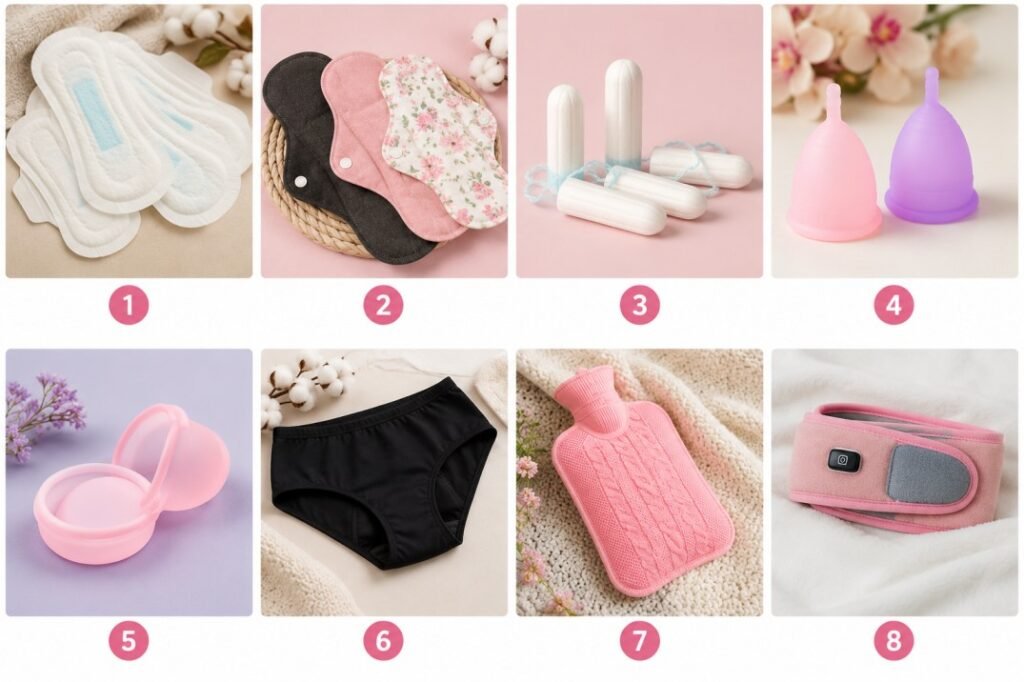
Disposable Pads
Disposable sanitary pads are one of the most commonly used menstrual products worldwide. They are worn inside underwear and absorb menstrual blood externally, making them a good choice for beginners or anyone who prefers not to use internal products.
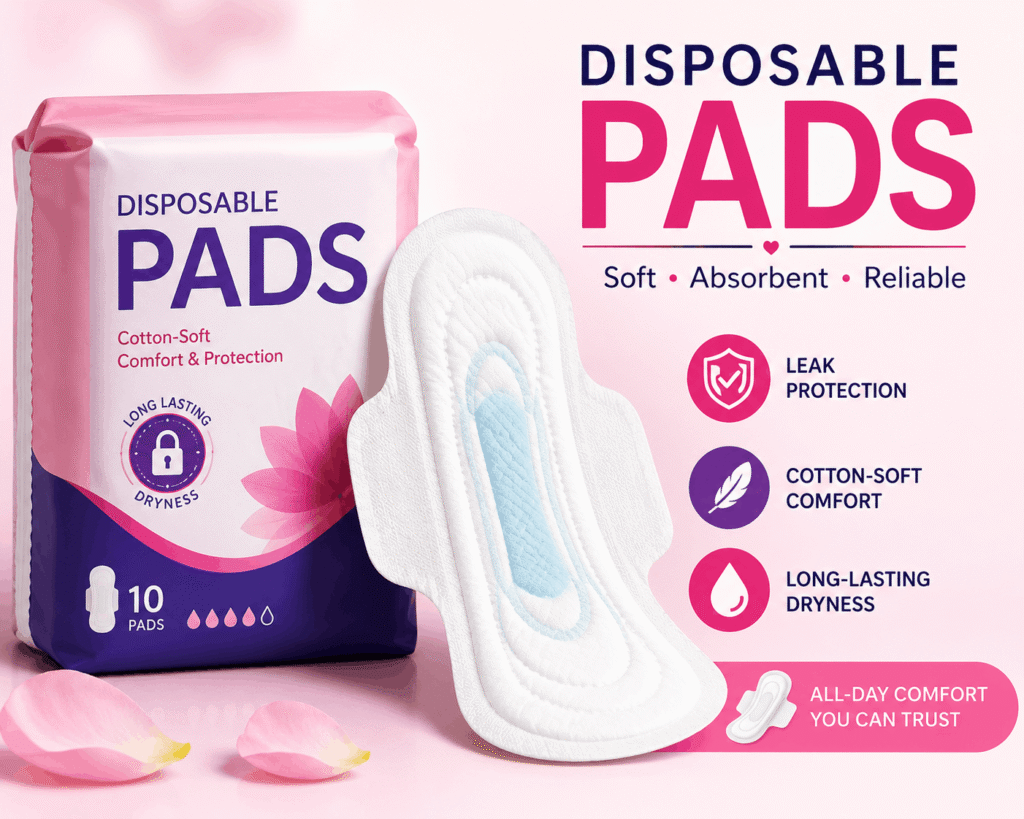
Pads are available in various sizes and absorbency levels, including:
- Light flow
- Regular flow
- Heavy flow
- Overnight protection
- Maternity pads for heavier postpartum bleeding
Benefits include:
- Easy to use
- No insertion required
- Available in most pharmacies and grocery stores
- Suitable for daytime and overnight use
- Helpful for women who experience vaginal sensitivity
For comfort and hygiene, experts commonly recommend changing pads every 3 to 6 hours, or sooner if they become saturated. Regular changes help reduce odor, moisture, and skin irritation.
Reusable Cloth Pads
Reusable cloth pads function similarly to disposable pads but are made from washable fabrics such as cotton or bamboo. They can be washed and reused for several years with proper care.
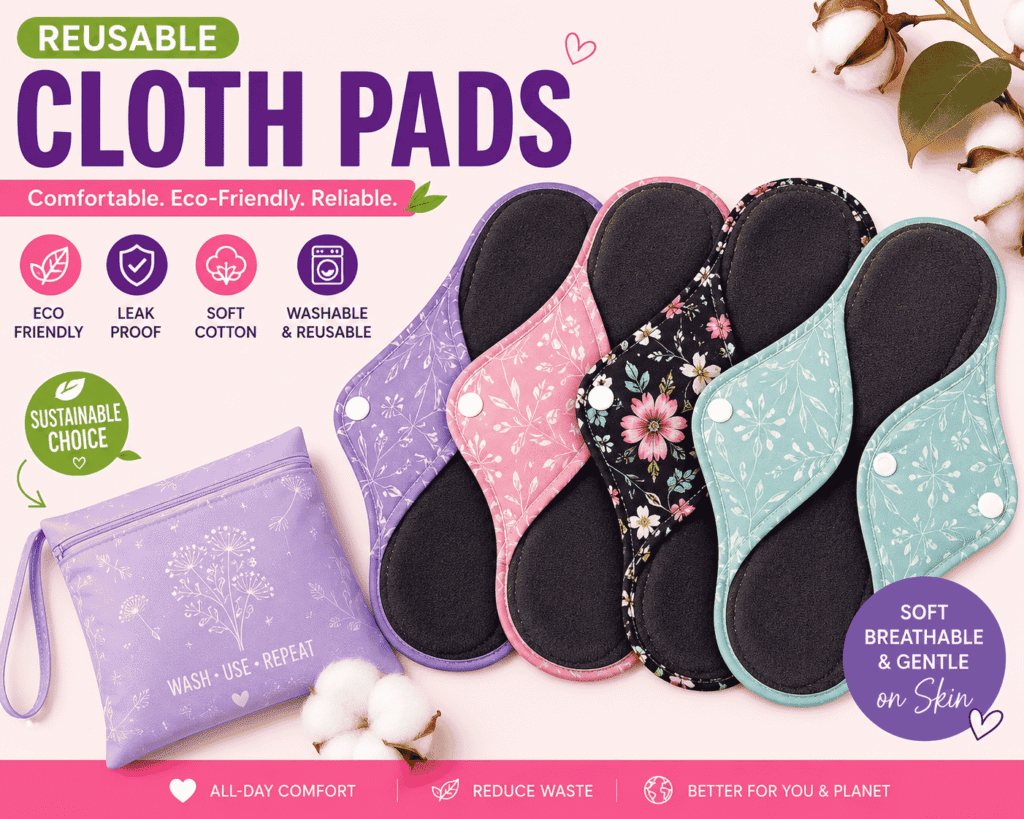
Potential benefits include:
- Soft, breathable materials
- Reduced long-term cost
- Less environmental waste
- Available in different absorbency levels
- Suitable for sensitive skin in some individuals
Cloth pads should be washed thoroughly after each use and allowed to dry completely before reuse to maintain hygiene.
Tampons
Tampons are absorbent products inserted into the vagina to absorb menstrual blood before it leaves the body. They come in different absorbencies ranging from light to ultra.
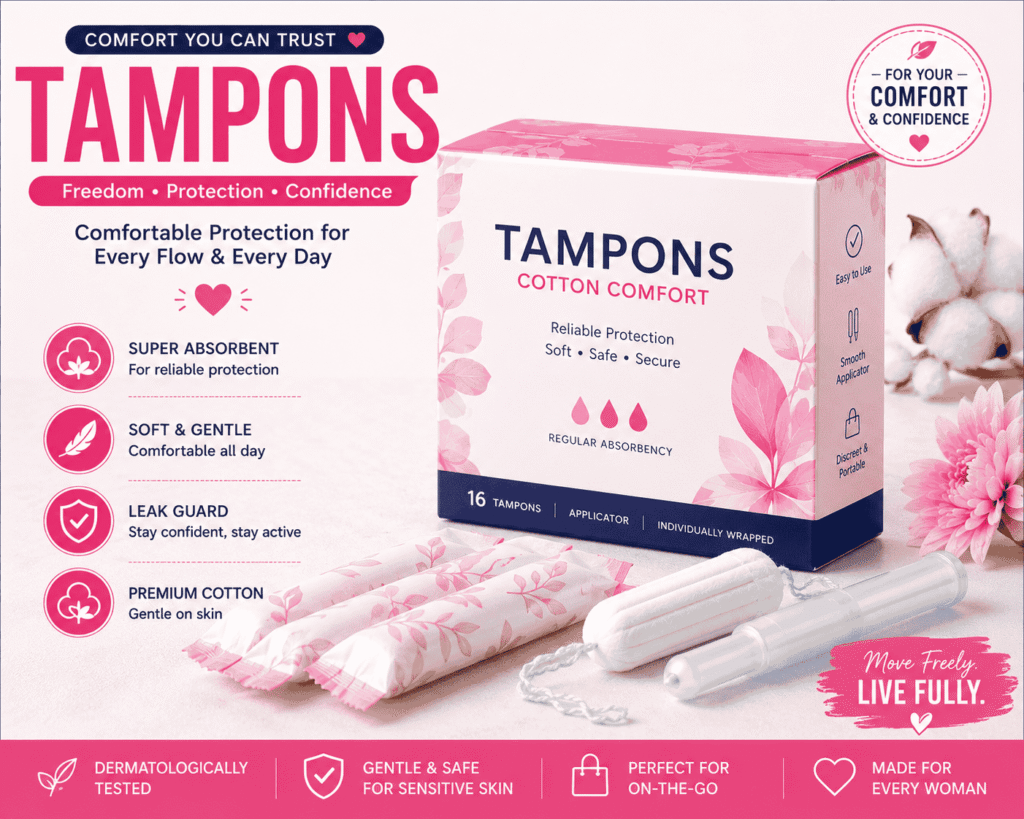
Many women choose tampons because they:
- Are discreet
- Allow comfortable movement during exercise
- Can be worn while swimming
- Do not feel bulky under clothing
To reduce the risk of Toxic Shock Syndrome (TSS), tampons should be used according to the manufacturer’s instructions.
Healthcare experts recommend:
- Choosing the lowest absorbency needed for your flow
- Changing tampons every 4 to 8 hours
- Avoiding wearing the same tampon for longer than recommended
- Washing your hands before and after insertion
Seek immediate medical care if you develop sudden fever, vomiting, rash, dizziness, or confusion while using tampons, as these may be signs of TSS.
Menstrual Cups
Menstrual cups are flexible, reusable devices made from medical-grade silicone, rubber, or similar materials. Rather than absorbing blood, they collect menstrual fluid inside the vagina.
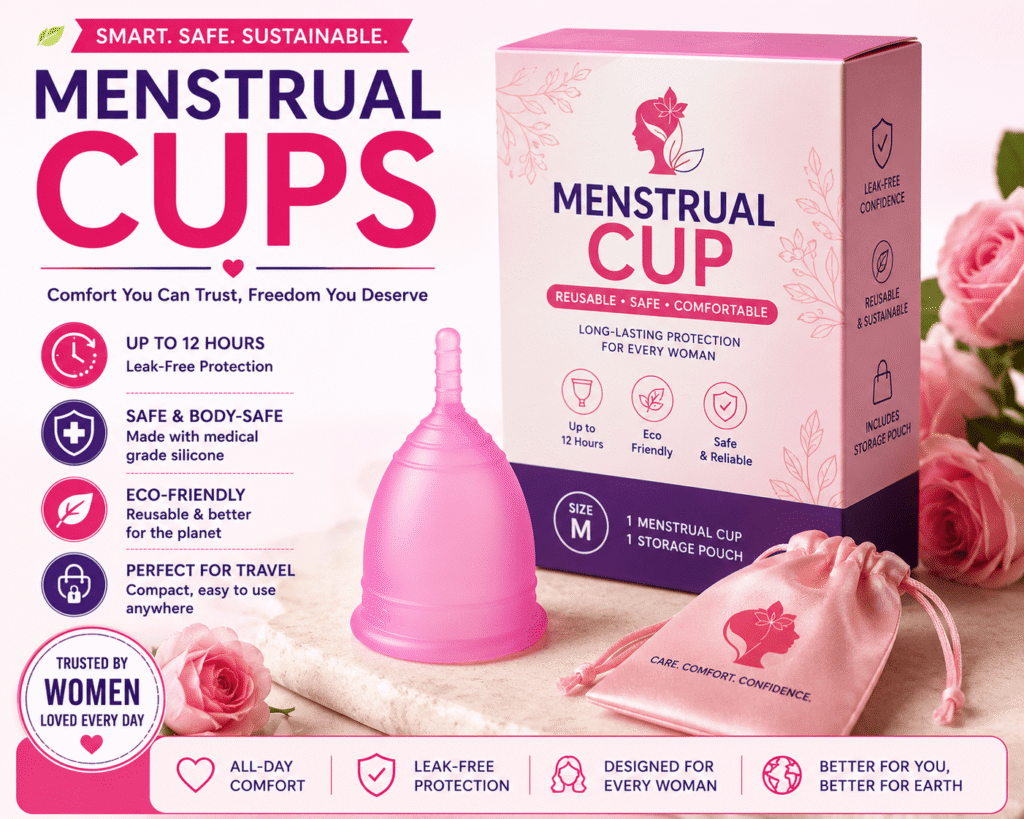
Many cups can be worn for up to 12 hours, depending on menstrual flow and manufacturer instructions.
Benefits include:
- Long-lasting and reusable
- Cost-effective over time
- Environmentally friendly
- Holds more fluid than many tampons
- Suitable for overnight use when emptied as directed
Proper cleaning before and after each menstrual cycle is essential. Research suggests that menstrual cups are safe and effective when used correctly.
Menstrual Discs
Menstrual discs are flexible devices placed higher in the vagina near the cervix to collect menstrual blood.
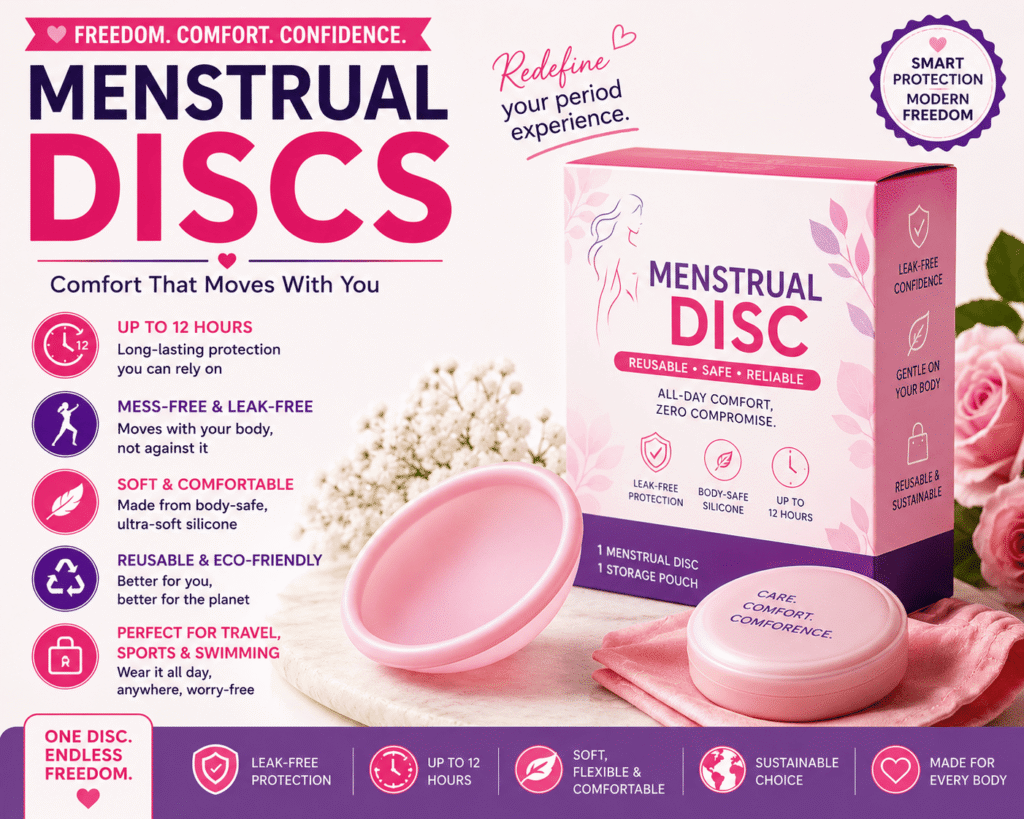
Compared with menstrual cups, discs may:
- Hold a larger volume of fluid
- Be comfortable for some women with heavier periods
- Be available as disposable or reusable options
Because proper placement differs from tampons and cups, reading the manufacturer’s instructions carefully is important.
If you experience persistent leakage or discomfort, consult a healthcare provider or menstrual health specialist.
Period Underwear
Period underwear contains built-in absorbent layers designed to absorb menstrual blood while remaining comfortable and discreet.
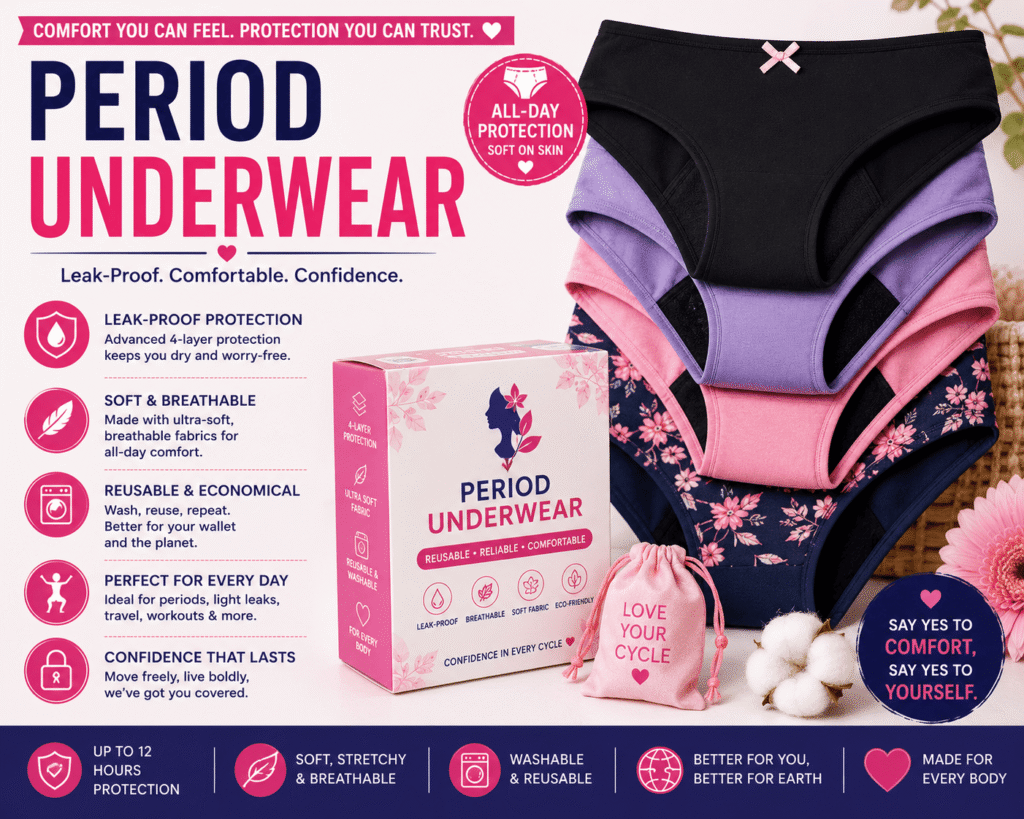
Some women use period underwear:
- Alone during light-flow days
- As backup protection with tampons or menstrual cups
- Overnight for added confidence
- During the beginning or end of a period
Benefits include:
- Comfortable fit
- Reusable design
- Reduced waste
- Less worry about leaks
- Suitable for teens and adults
Proper washing according to the manufacturer’s instructions helps maintain absorbency and hygiene
Panty Liners
Panty liners are thin absorbent liners intended for very light menstrual flow or spotting.
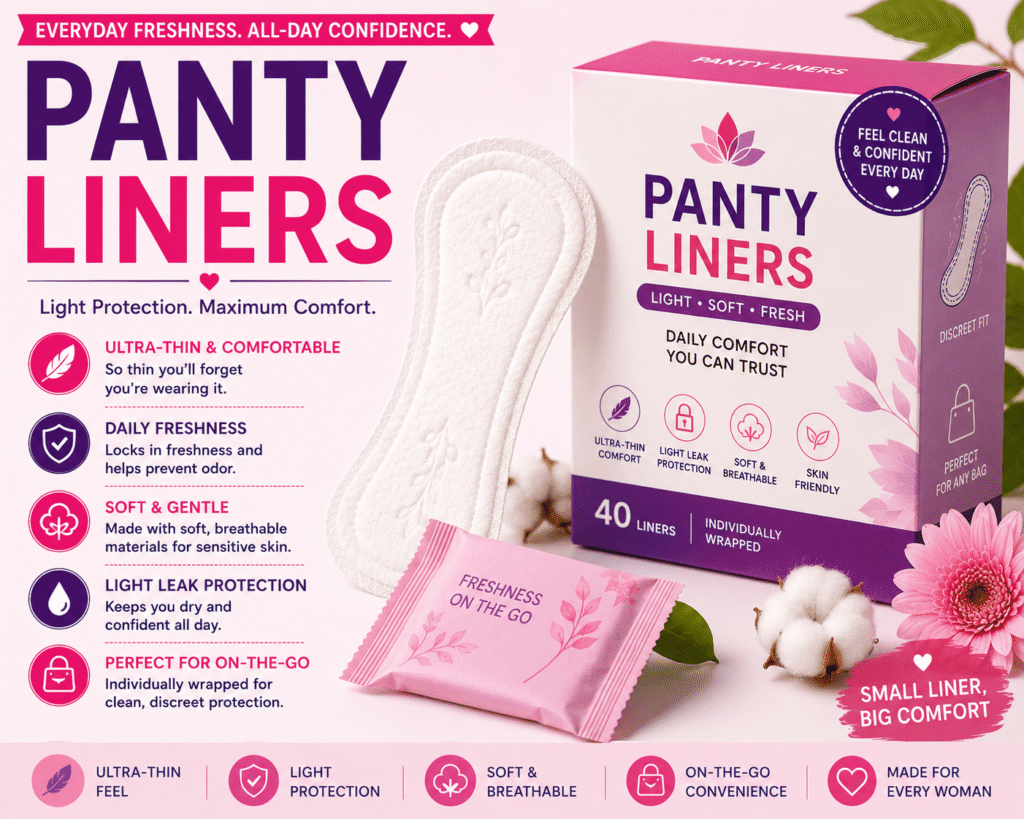
They are useful for:
- The first or last day of a period
- Backup protection with tampons or menstrual cups
- Light spotting between periods (if evaluated when appropriate)
- Daily vaginal discharge
Because panty liners are thinner than pads, they are not designed for moderate or heavy menstrual bleeding.
Good menstrual habits can improve comfort and overall reproductive wellness. Our How to Maintain Menstrual Health Step by Step (Complete Women’s Guide) offers practical advice for every stage of life.
Heating Pads
Heating pads are one of the most effective non-medication options for relieving menstrual cramps.
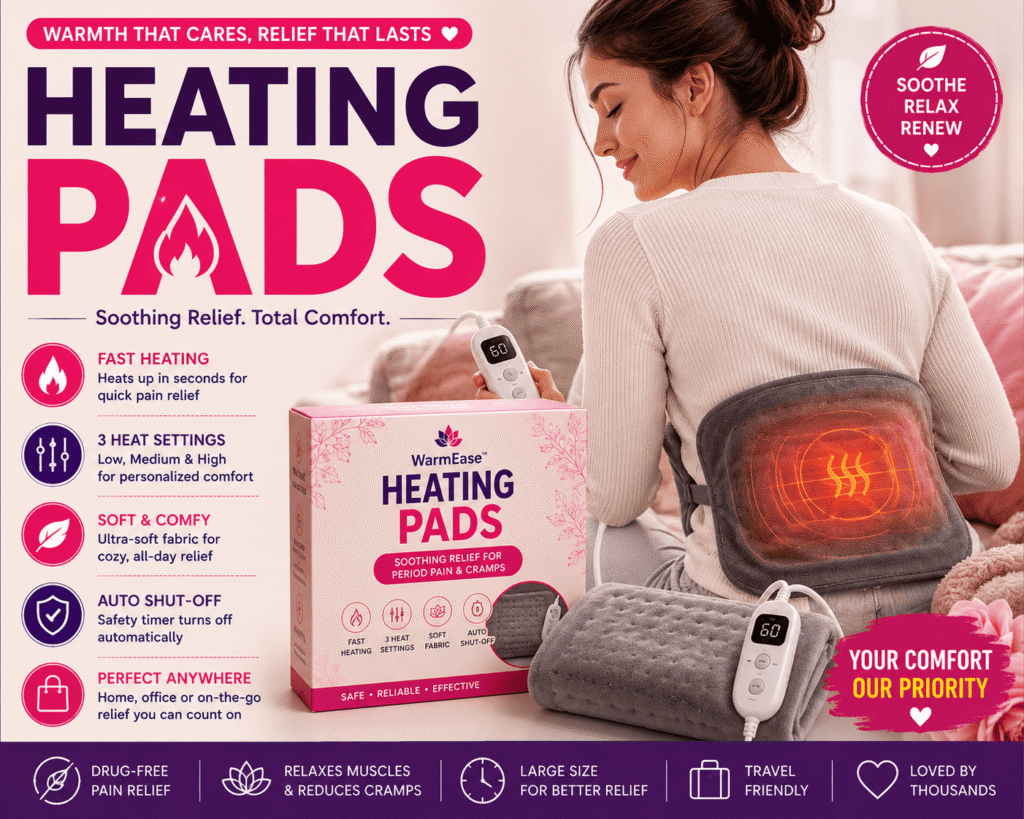
Applying gentle heat to the lower abdomen or lower back may:
- Relax uterine muscles
- Improve blood circulation
- Reduce cramping
- Ease muscle tension
Studies have found that local heat therapy can provide meaningful relief for many women with mild to moderate menstrual cramps.
Always follow the manufacturer’s safety instructions to avoid burns.
Portable Heating Belts
Portable heating belts provide consistent warmth while allowing you to continue daily activities.
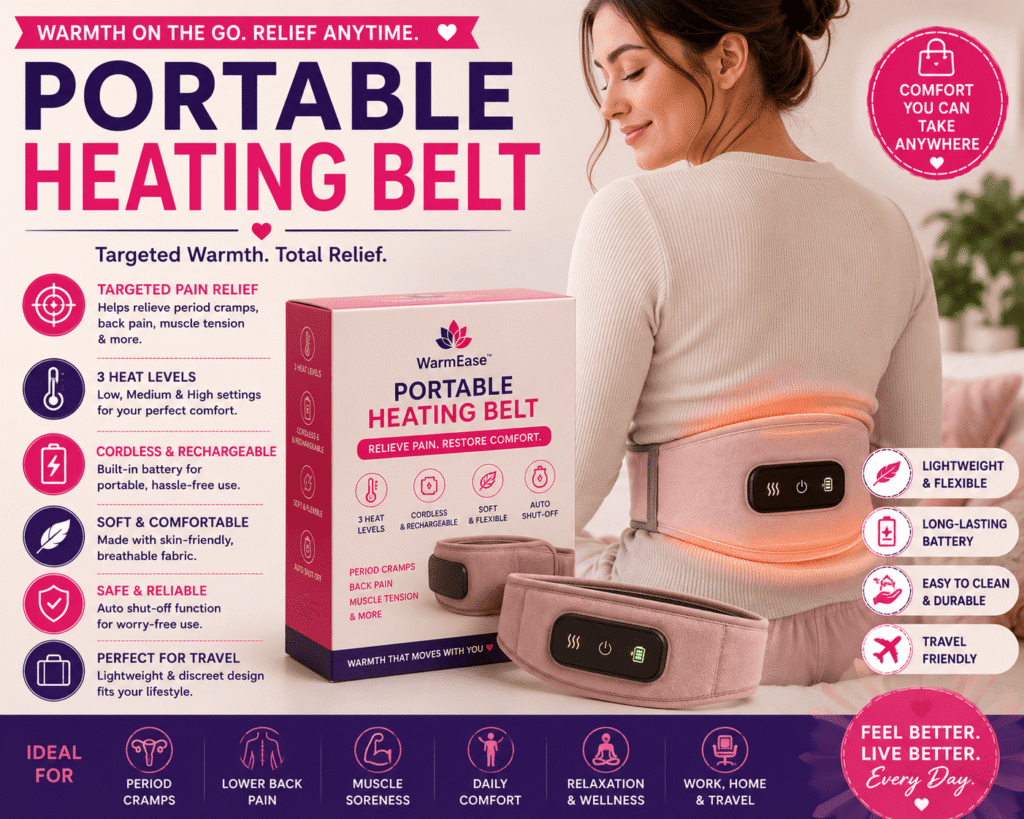
These wearable devices are especially useful for:
- Working
- Traveling
- Attending school
- Running errands
Many models are rechargeable or use disposable heat packs.
Experts commonly recommend choosing a temperature that feels comfortably warm rather than excessively hot.
Heavy periods can sometimes contribute to iron deficiency. Learn how to recognize the signs in Anemia in Girls: Early Symptoms and Warning Signs.
TENS Pain Relief Devices
Transcutaneous Electrical Nerve Stimulation (TENS) devices deliver mild electrical impulses through adhesive pads placed on the skin.
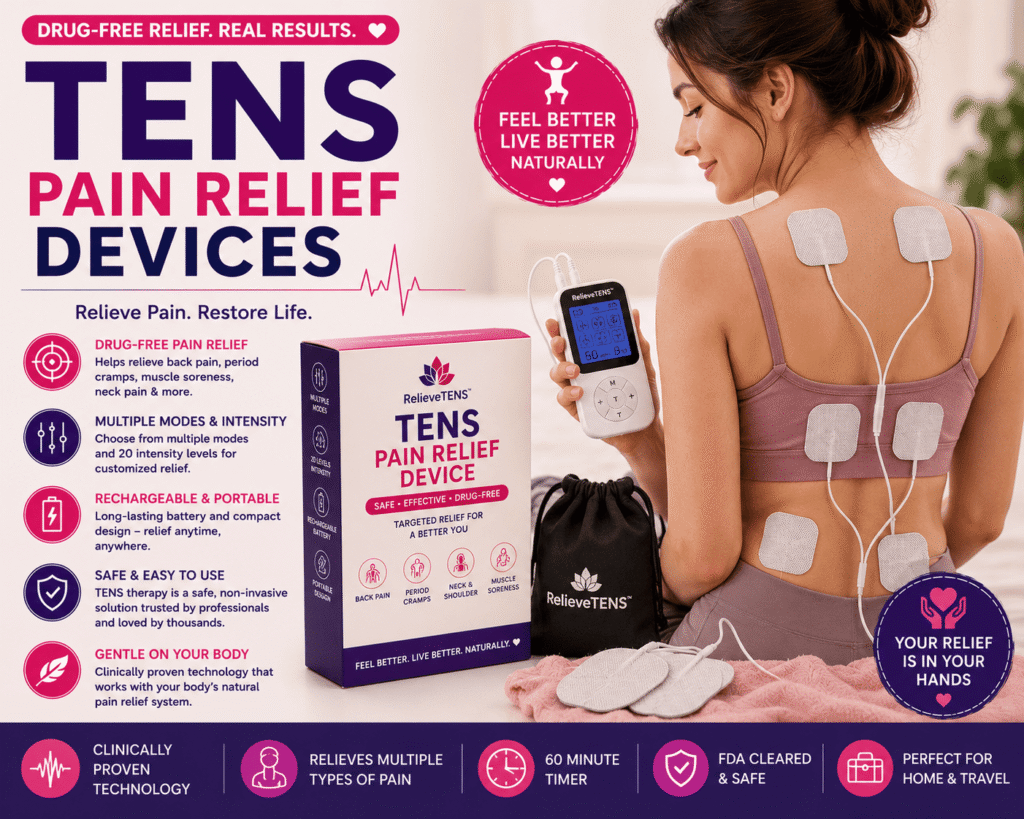
Research suggests that TENS therapy may help reduce menstrual pain by:
- Blocking pain signals
- Stimulating natural pain-relieving chemicals in the body
- Relaxing muscles
Some women find TENS devices helpful when combined with other self-care strategies such as exercise and heat therapy.
Consult your healthcare provider before using TENS if you have a pacemaker, certain heart conditions, or are unsure whether it is appropriate for you.
Hot Water Bottles
A traditional hot water bottle remains a simple and affordable option for relieving menstrual discomfort.
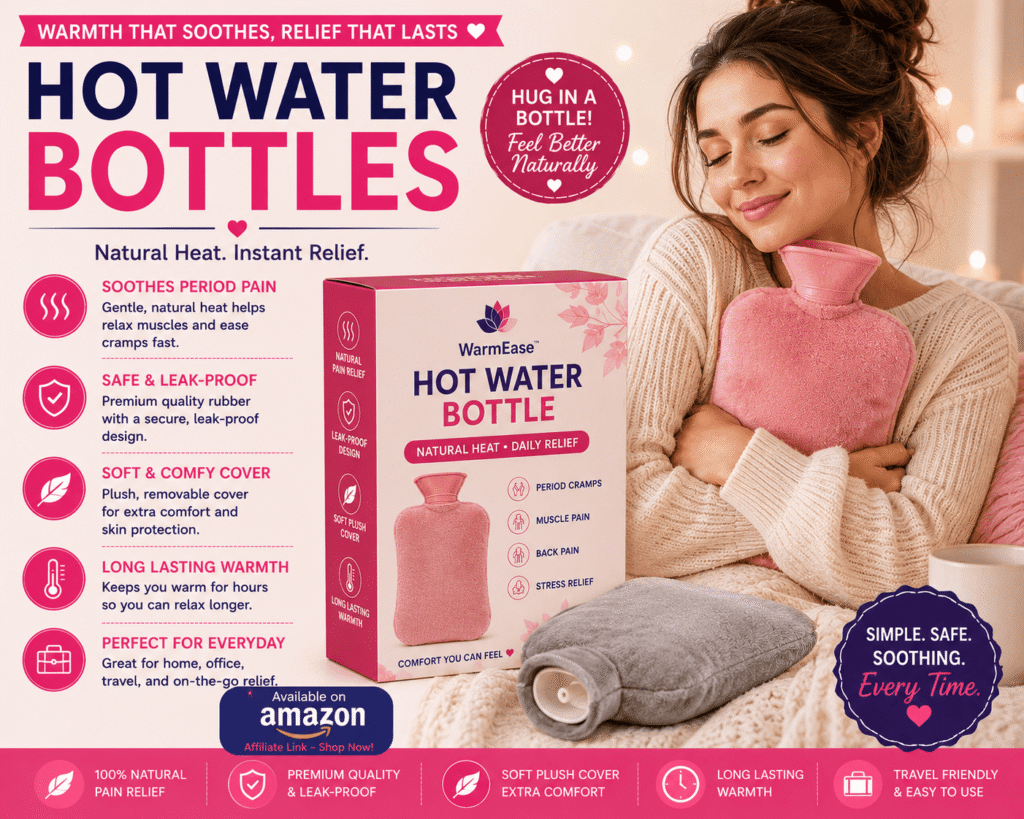
When placed on the lower abdomen or back, warmth may help:
- Relax tight muscles
- Ease cramps
- Improve comfort during rest
Use a protective cover and avoid placing very hot bottles directly against bare skin.
Regular breast awareness is an important part of preventive healthcare. Follow our Breast Safety Facts for Women: Self Breast Examination Method (Step-by-Step Guide at Home) for step-by-step instructions.
Cooling Patches
Although heat is usually preferred for menstrual cramps, cooling patches may provide temporary relief for women who experience:
- Headaches
- Feeling overheated
- Mild muscle discomfort
Cooling products are not generally recommended as the primary treatment for uterine cramping but may improve overall comfort in certain situations.
Feminine Wipes
Unscented feminine wipes can help women feel fresh when changing menstrual products away from home.
However, healthcare professionals advise using them cautiously.
Experts commonly recommend:
- Choosing fragrance-free wipes
- Avoiding harsh chemicals or alcohol-based products
- Cleaning only the external genital area
- Avoiding internal vaginal cleansing
The vagina naturally cleans itself, so douching is not recommended because it may increase the risk of irritation or infection.
Comfortable Sleepwear
Comfortable sleepwear can make it easier to rest during menstruation.
Look for clothing that is:
- Soft
- Breathable
- Loose fitting
- Made from natural or moisture-wicking fabrics
Good-quality sleep supports recovery, hormone regulation, and overall well-being during your menstrual cycle.
If nighttime leaks are a concern, combining overnight menstrual products with dark-colored sleepwear or protective bedding may help you sleep more confidently.
How to Choose the Right Menstrual Product
There is no universal menstrual product that works best for everyone. The right choice depends on your body, menstrual flow, daily activities, comfort level, personal values, and budget.
Many women try several products before finding the combination that suits them best. It is also common to use different products on different days of the menstrual cycle.
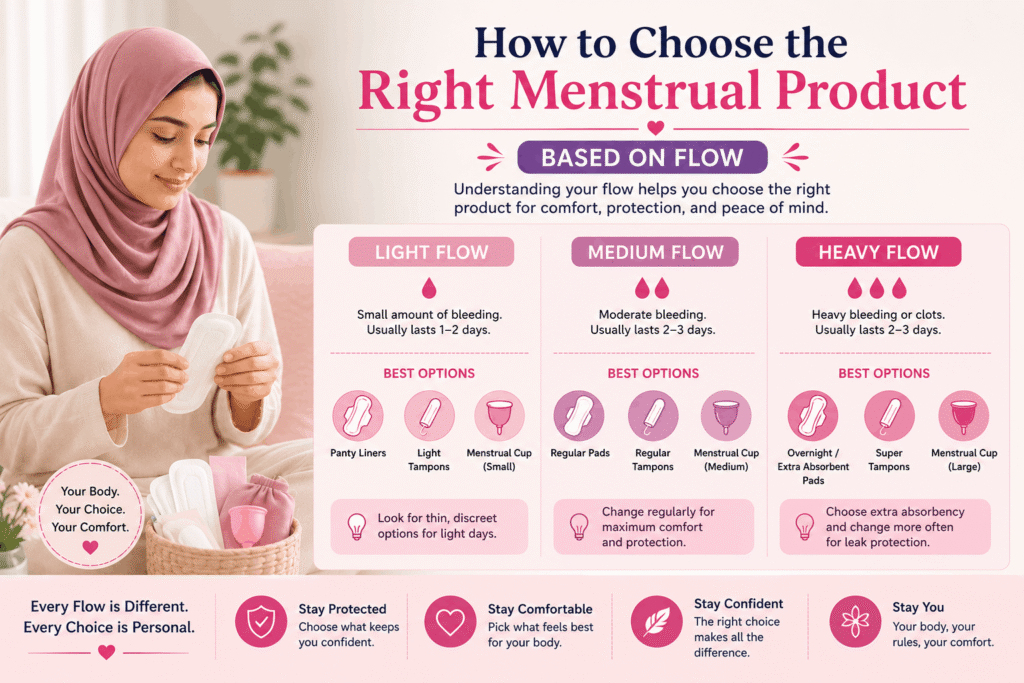
H3: Based on Flow
Your menstrual flow is one of the most important factors when selecting a product.
General recommendations include:
- Light flow: Panty liners, light pads, period underwear, light tampons, menstrual cups, or discs.
- Moderate flow: Regular pads, regular tampons, menstrual cups, menstrual discs, or period underwear.
- Heavy flow: Overnight pads, high-capacity menstrual cups, menstrual discs, heavy-flow tampons (used according to instructions), or combination protection such as a tampon with period underwear.
If you regularly soak through a pad or tampon every hour for several consecutive hours, seek medical evaluation, as this may indicate abnormally heavy menstrual bleeding.
Based on Lifestyle
Your daily routine can influence which products provide the greatest comfort.
For example:
- Students: Pads, tampons, or period underwear may be convenient during long school days.
- Athletes: Tampons, menstrual cups, or discs often allow greater freedom during sports and swimming.
- Frequent travelers: Menstrual cups or discs can reduce the need for frequent product changes.
- Office workers: Portable heating belts and discreet menstrual products may improve comfort during work.
Choosing products that fit your schedule can reduce stress and help you feel more confident throughout the day.
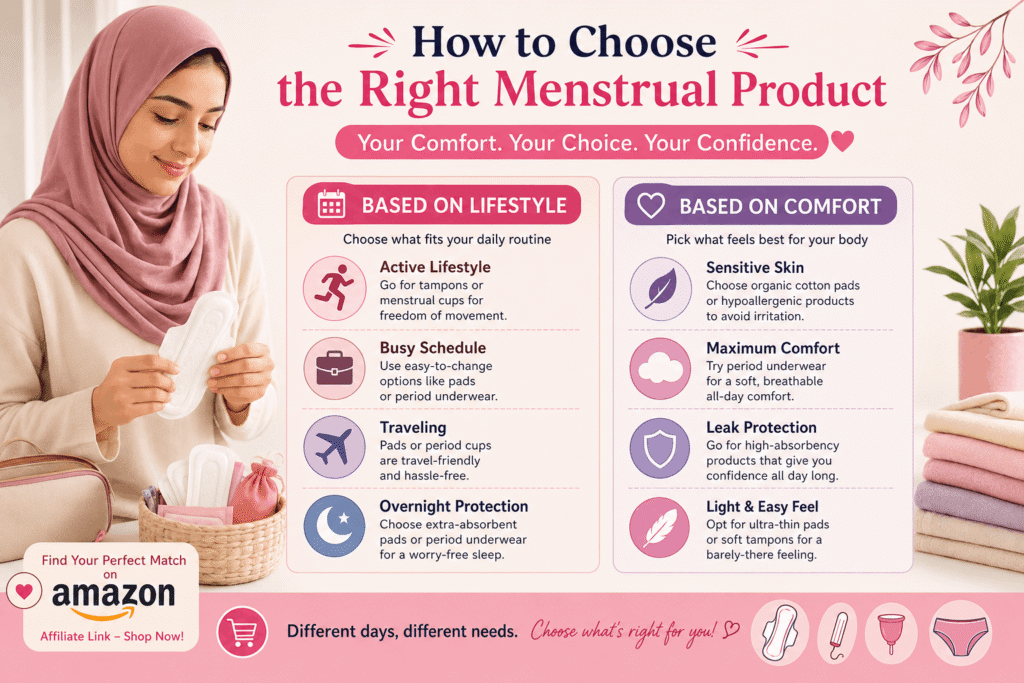
Based on Comfort
Comfort is highly personal, and what feels comfortable for one woman may not work well for another.
Consider factors such as:
- Ease of use
- Skin sensitivity
- Body shape
- Previous experience with menstrual products
- Confidence using internal versus external products
If a product causes ongoing pain, irritation, or discomfort despite correct use, try an alternative option or consult a healthcare professional for guidance.
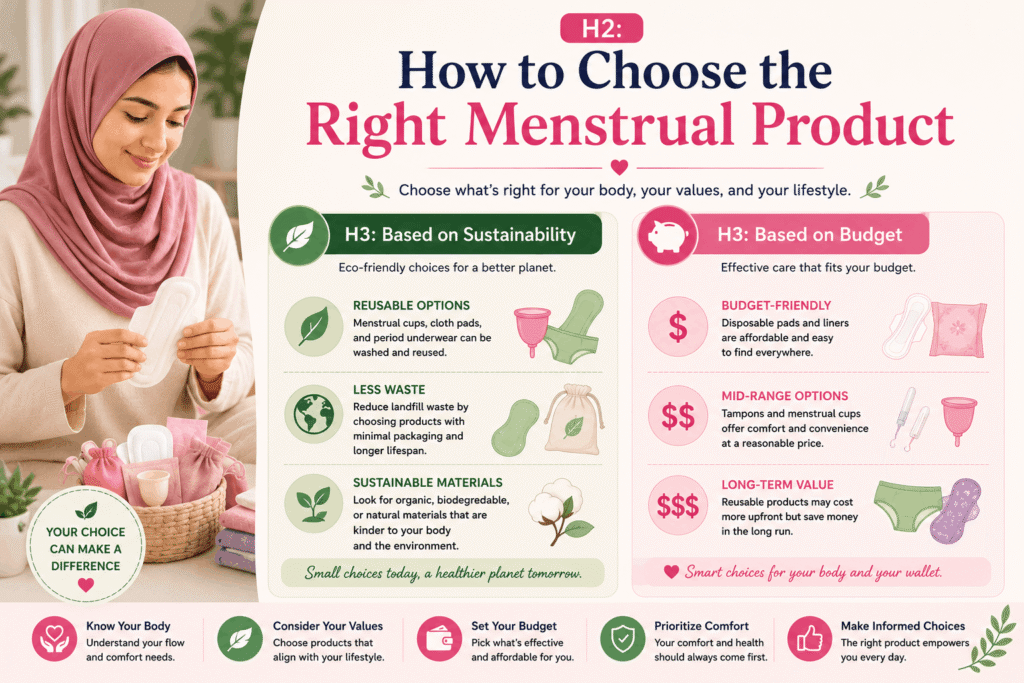
Based on Sustainability
Many women choose reusable menstrual products to reduce environmental waste.
Reusable options include:
- Menstrual cups
- Menstrual discs (reusable models)
- Cloth pads
- Period underwear
Although these products often require a higher initial purchase cost, they may last for several years with proper care, reducing long-term waste and replacement expenses.
Pregnancy experiences vary from person to person. Learn about risk factors in In What Situations Pregnancy Becomes Difficult for Women.
Based on Budget
Cost is an important consideration for many households.
Generally:
- Disposable pads and tampons require regular monthly purchases.
- Menstrual cups and reusable discs usually have a higher upfront cost but can save money over time.
- Cloth pads and period underwear also become more economical with repeated use.
Research suggests that reusable menstrual products can significantly reduce lifetime menstrual care costs while remaining safe and effective when cleaned according to manufacturer instructions.
Ultimately, the best menstrual product is one that helps you feel comfortable, protected, and confident while supporting your health and daily lifestyle.
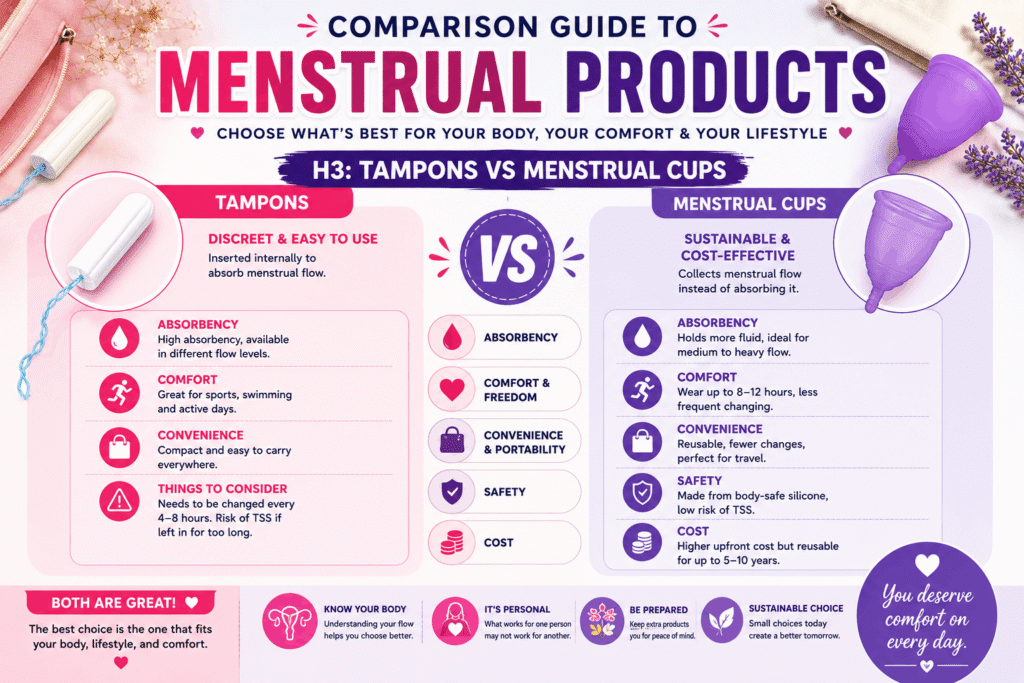
Comparison Guide to Menstrual Products
With so many menstrual products available today, choosing the right one can feel overwhelming. The best option depends on your menstrual flow, comfort level, daily activities, health needs, and personal preferences. Many women use more than one type of product throughout their cycle—for example, a menstrual cup during the day and period underwear or an overnight pad while sleeping.
According to the American College of Obstetricians and Gynecologists (ACOG), all approved menstrual products can be safe and effective when used correctly and changed or cleaned according to the manufacturer’s instructions.
Pads vs Tampons
Pads and tampons are two of the most commonly used menstrual products, but they work differently.
Disposable pads absorb menstrual blood outside the body. They are easy to use and require no insertion, making them a popular choice for first-time menstruators and women who prefer external protection.
Tampons are inserted into the vagina and absorb menstrual blood before it leaves the body. Many women prefer them for sports, swimming, and other physical activities because they are discreet and allow greater freedom of movement.
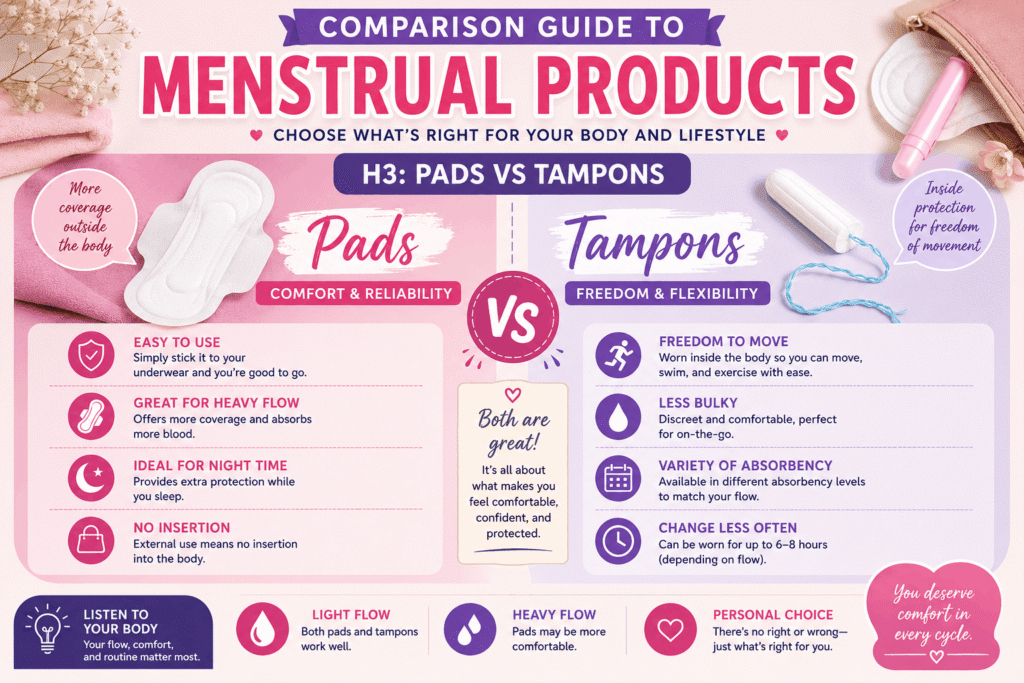
Pads may be better if you:
- Are new to menstruation
- Prefer not to use internal products
- Experience vaginal irritation with tampons
- Need overnight protection
- Are recovering after childbirth (unless otherwise advised by your healthcare provider)
Tampons may be better if you:
- Exercise regularly
- Swim during your period
- Prefer a less bulky option
- Want discreet protection under fitted clothing
Tampons should always be changed every 4 to 8 hours and the lowest absorbency needed should be used to reduce the risk of Toxic Shock Syndrome (TSS)
Tampons vs Menstrual Cups
Tampons absorb menstrual blood, while menstrual cups collect it.
A menstrual cup is a flexible, reusable device made from medical-grade silicone or similar materials. It sits inside the vagina and can often remain in place for up to 12 hours, depending on menstrual flow and manufacturer recommendations.
Tampons offer:
- Easy availability
- Simple disposal
- Familiar use for many women
- Convenient option for short-term use
Menstrual cups offer:
- Reusable design
- Lower long-term cost
- Less environmental waste
- Larger fluid capacity
- Fewer product changes during the day
Research suggests that menstrual cups are as safe and effective as other menstrual products when cleaned and used properly.
Women who are new to menstrual cups may need a few cycles to become comfortable with insertion and removal.
Menstrual Cup vs Menstrual Disc
Both menstrual cups and menstrual discs collect menstrual blood rather than absorbing it, but they differ in shape and placement.
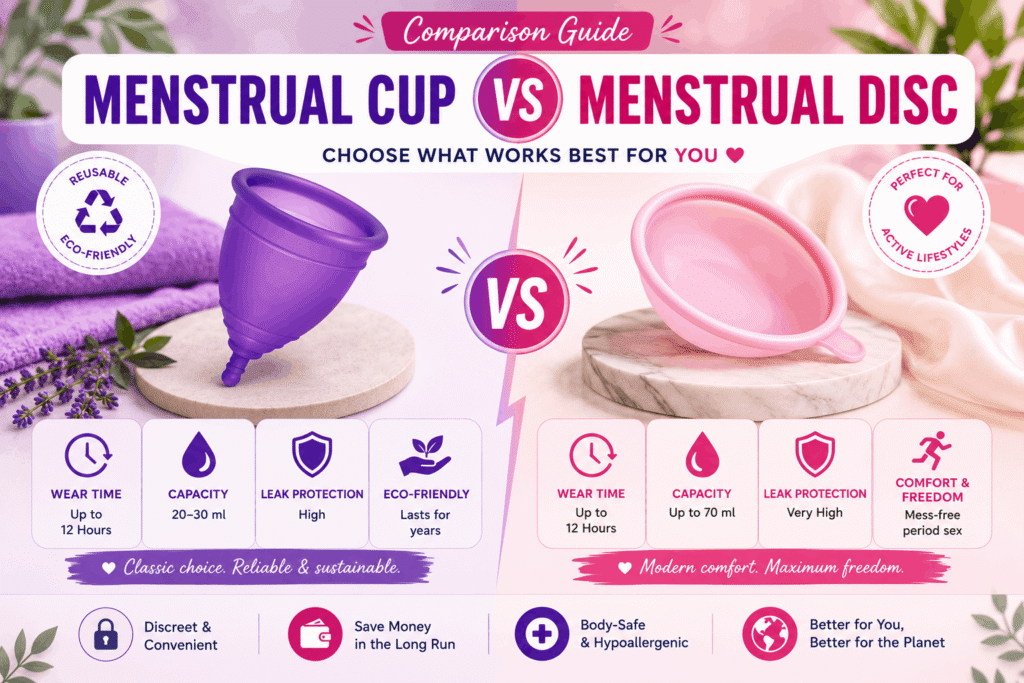
Menstrual cups:
- Sit lower in the vaginal canal.
- Form a gentle seal.
- Come in various sizes and firmness levels.
- Are usually reusable.
Menstrual discs:
- Sit higher near the cervix.
- May hold more menstrual fluid.
- Are available in reusable and disposable versions.
- May be preferred by some women with heavier menstrual flow.
Comfort varies from person to person. Trying different products may help you determine which one fits your body and lifestyle best.
Disposable vs Reusable Products
Many women choose between disposable and reusable menstrual products based on convenience, cost, and environmental impact.
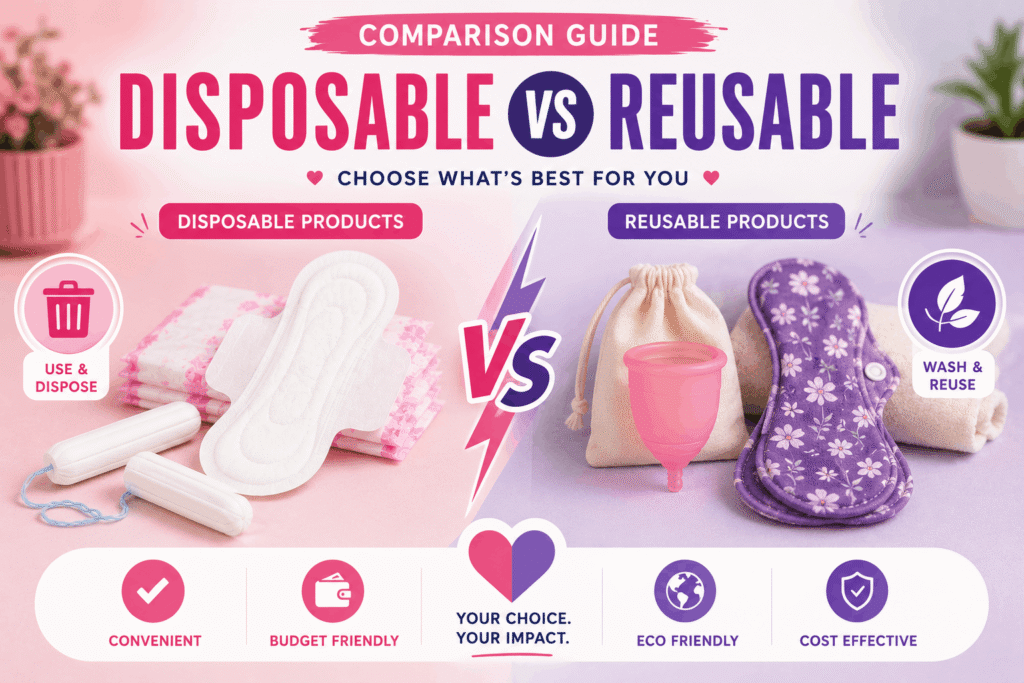
Disposable products include:
- Pads
- Tampons
- Disposable menstrual discs
Advantages:
- Convenient
- Widely available
- No cleaning required
- Easy to use while traveling
Considerations:
- Ongoing monthly expense
- More household waste
Reusable products include:
- Menstrual cups
- Cloth pads
- Period underwear
- Reusable menstrual discs
Advantages:
- Lower long-term cost
- Reduced environmental impact
- Can last several years with proper care
Considerations:
- Require regular cleaning
- Higher initial purchase price
- Learning curve for some products
WHO encourages access to safe, hygienic menstrual products while recognizing that personal choice, affordability, and local availability are important factors.
Which Product Is Best for Beginners?
There is no single “best” menstrual product for everyone, but beginners often find external products easier to use initially.
Many first-time users start with:
- Disposable pads
- Reusable cloth pads
- Period underwear
These products do not require insertion and allow users to become familiar with their menstrual flow.
As confidence grows, some women choose to try tampons, menstrual cups, or menstrual discs based on their lifestyle and comfort preferences.
If you have difficulty inserting internal products or experience persistent pain, consult a healthcare provider for guidance.
Natural Ways to Relieve Period Pain
Many women can successfully manage mild to moderate menstrual discomfort using non-medication approaches. These methods are often most effective when combined with healthy lifestyle habits and started early in the menstrual cycle.
Research suggests that regular physical activity, heat therapy, stress management, and adequate hydration can all contribute to improved menstrual comfort.
Heat Therapy
Heat therapy is one of the most effective natural methods for relieving menstrual cramps.
Applying warmth to the lower abdomen or lower back helps relax muscles, improve blood circulation, and reduce pain caused by uterine contractions.
Options include:
- Heating pads
- Portable heating belts
- Warm baths
- Hot water bottles
Studies have found that heat therapy may provide pain relief comparable to some over-the-counter medications for mild menstrual cramps.
Always avoid excessive heat and protect your skin from burns.
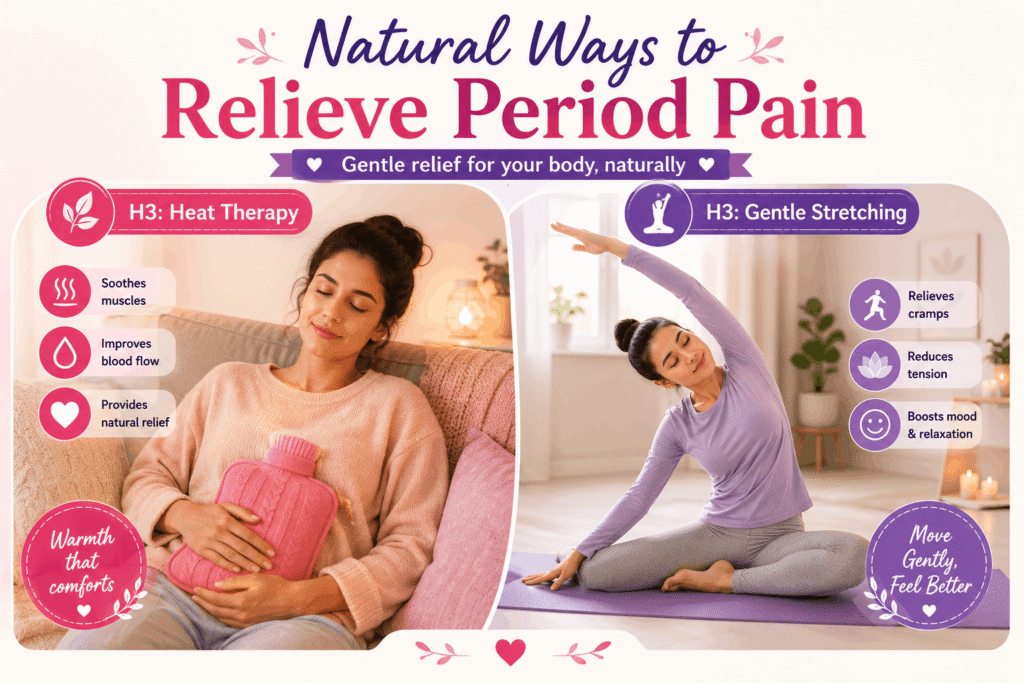
Gentle Stretching
Light stretching helps reduce muscle tension and improve flexibility during menstruation.
Gentle stretches targeting the:
- Lower back
- Hips
- Pelvis
- Hamstrings
may help decrease stiffness and improve circulation.
Stretch slowly without forcing movements, especially if cramps are severe.
Walking
Walking is a simple, low-impact exercise that many women tolerate well during their period.
Benefits may include:
- Improved blood flow
- Reduced cramping
- Better mood
- Increased energy
- Lower stress levels
Even a 20- to 30-minute walk can help some women feel more comfortable during menstruation.
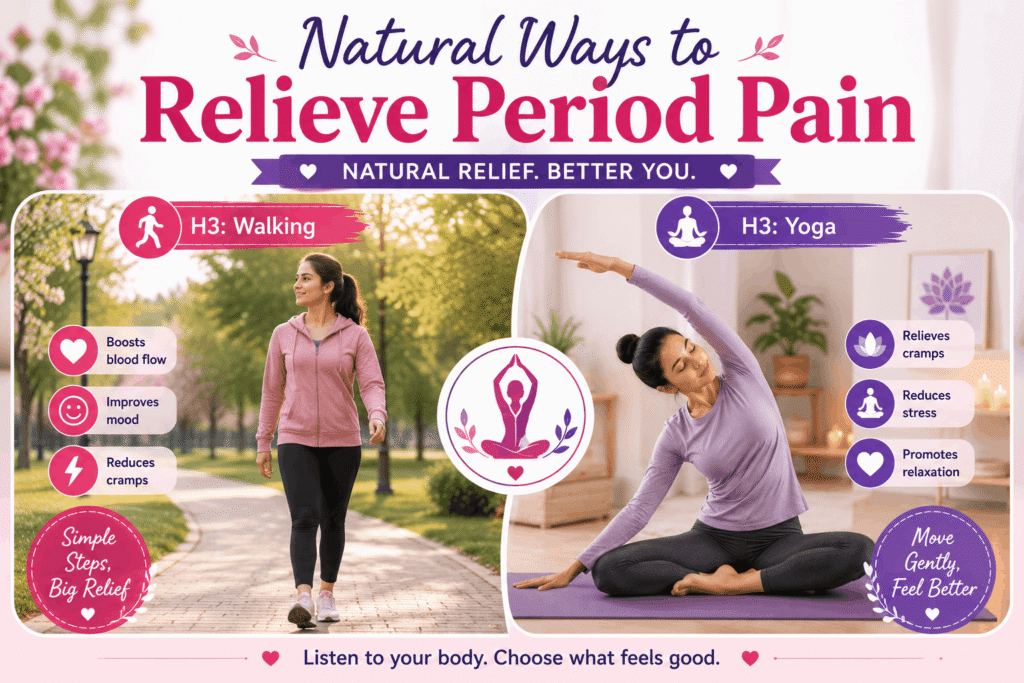
Yoga
Gentle yoga combines stretching, breathing, and relaxation, making it a helpful option for menstrual comfort.
Research suggests that regular yoga practice may help reduce:
- Menstrual cramps
- Lower back pain
- Stress
- Anxiety
- Fatigue
Comfortable poses such as Child’s Pose, Cat-Cow, Supine Twist, and Happy Baby may be particularly soothing during menstruation.
Avoid positions that feel uncomfortable or increase pain.
Deep Breathing
Deep breathing activates the body’s relaxation response and may reduce the perception of pain.
Try slow breathing by:
- Inhaling through your nose for several seconds.
- Allowing your abdomen to expand.
- Exhaling slowly through your mouth.
Practicing deep breathing for five to ten minutes can help ease stress and muscle tension.
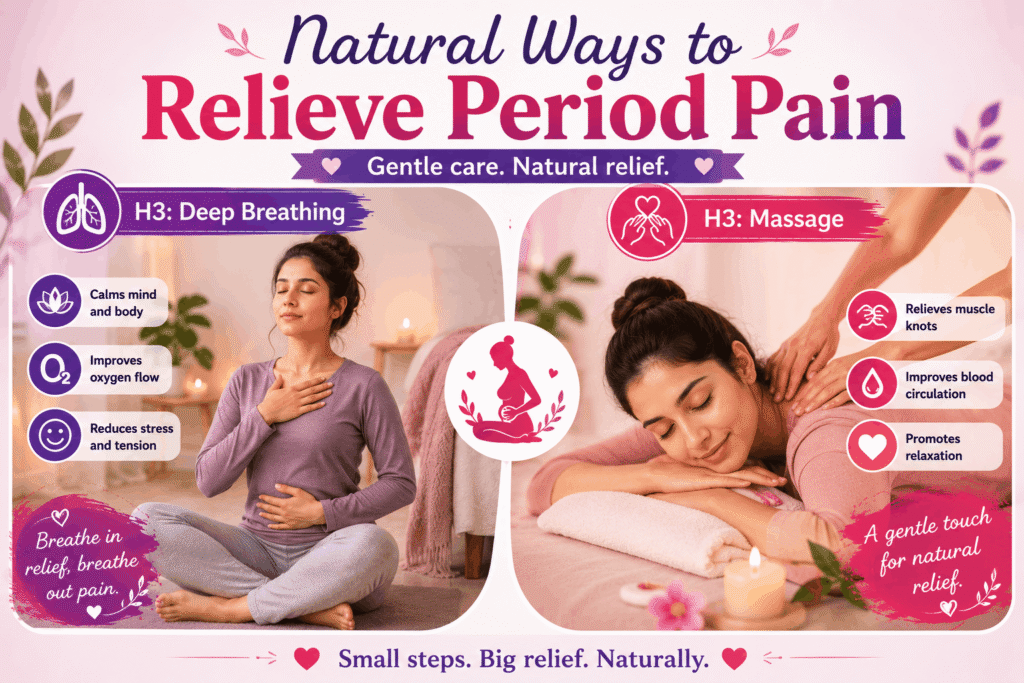
Massage
Gentle massage of the lower abdomen or lower back may improve blood circulation and reduce muscle tightness.
Using light pressure with circular movements can promote relaxation.
Some women find additional comfort from massage oils, although fragrances should be avoided if they irritate sensitive skin.
Massage should never cause pain.
Relaxation Techniques
Stress can make menstrual discomfort feel more intense.
Helpful relaxation techniques include:
- Meditation
- Progressive muscle relaxation
- Mindfulness
- Listening to calming music
- Reading
- Spending time outdoors
- Journaling
Research suggests that reducing stress may improve both physical and emotional menstrual symptoms.
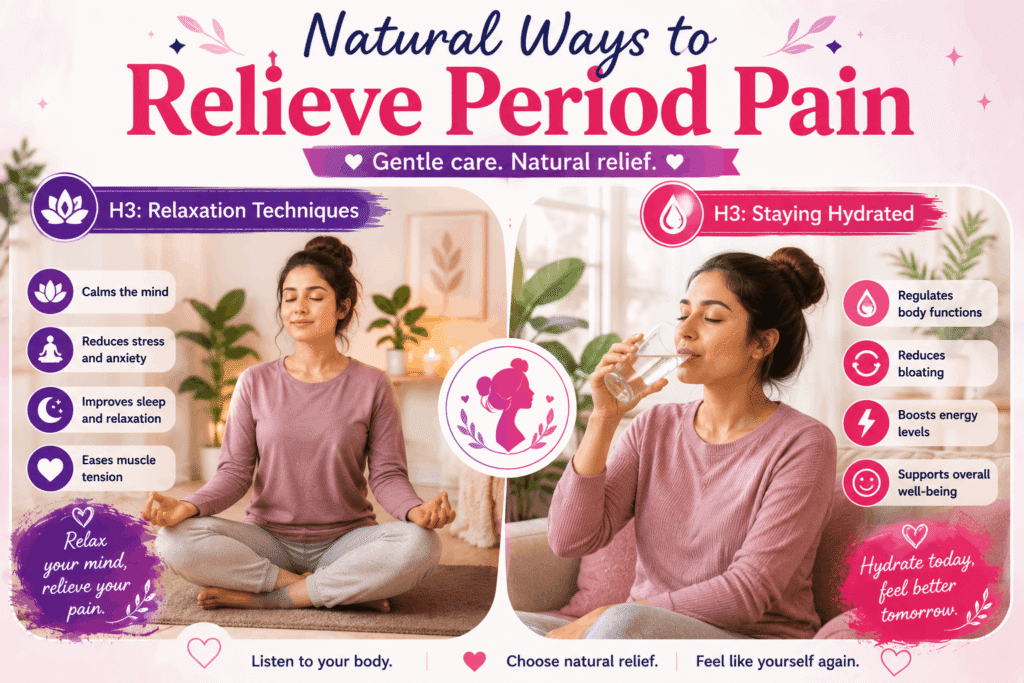
Staying Hydrated
Although it may seem surprising, drinking enough water can actually help reduce bloating and support normal body functions during menstruation.
Aim to drink water consistently throughout the day.
Proper hydration may help:
- Reduce headaches
- Improve energy
- Support digestion
- Ease bloating
- Replace fluids lost during menstruation
Carrying a reusable water bottle can make staying hydrated easier.
Nutrition for Better Period Comfort
A balanced diet cannot completely eliminate menstrual symptoms, but healthy eating habits may help reduce discomfort, support energy levels, and promote overall reproductive health.
Experts commonly recommend focusing on nutrient-rich whole foods while maintaining regular meal patterns throughout the menstrual cycle.
Foods That May Help Reduce Cramps
Certain foods contain nutrients that support muscle function and help reduce inflammation.
Helpful choices include:
- Leafy green vegetables
- Whole grains
- Beans and lentils
- Fresh fruits
- Nuts and seeds
- Fatty fish
- Yogurt
Research suggests that an overall healthy dietary pattern may contribute to less severe menstrual discomfort.
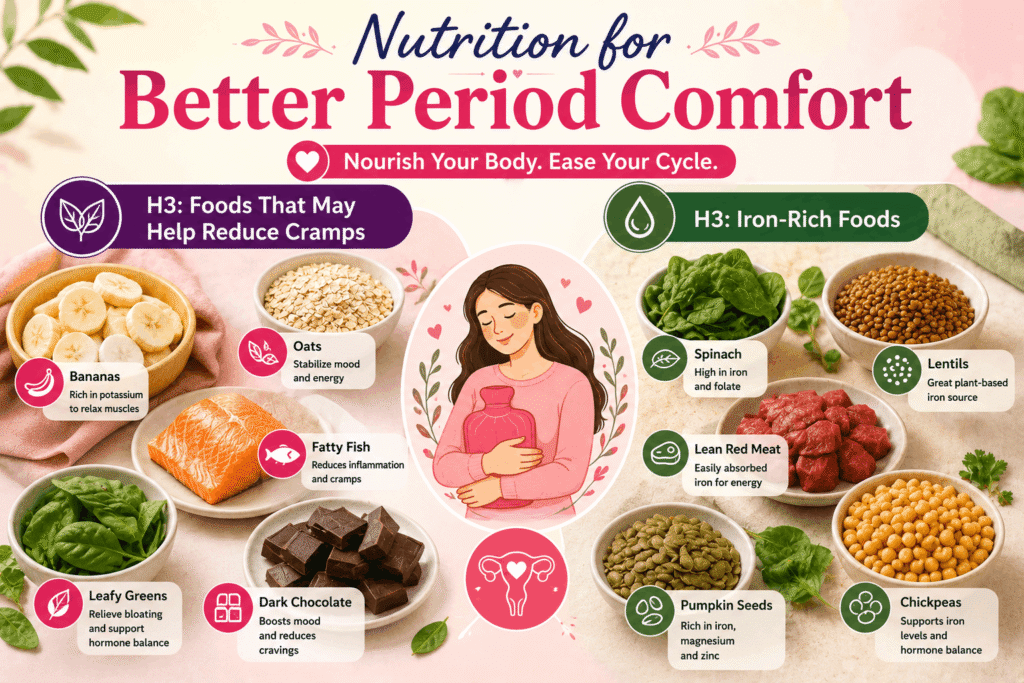
Iron-Rich Foods
Heavy menstrual bleeding may increase the risk of iron deficiency.
Iron-rich foods include:
- Lean beef
- Chicken
- Turkey
- Fish
- Lentils
- Chickpeas
- Spinach
- Fortified breakfast cereals
- Tofu
Pairing plant-based iron sources with foods rich in vitamin C, such as oranges or bell peppers, may improve iron absorption.
If you experience heavy periods or symptoms of anemia, consult your healthcare provider before taking iron supplements.
Magnesium-Rich Foods
Magnesium supports normal muscle and nerve function.
Foods rich in magnesium include:
- Pumpkin seeds
- Almonds
- Cashews
- Spinach
- Black beans
- Brown rice
- Avocados
Some studies suggest that adequate magnesium intake may help reduce menstrual cramps in certain women, although more research is ongoing.
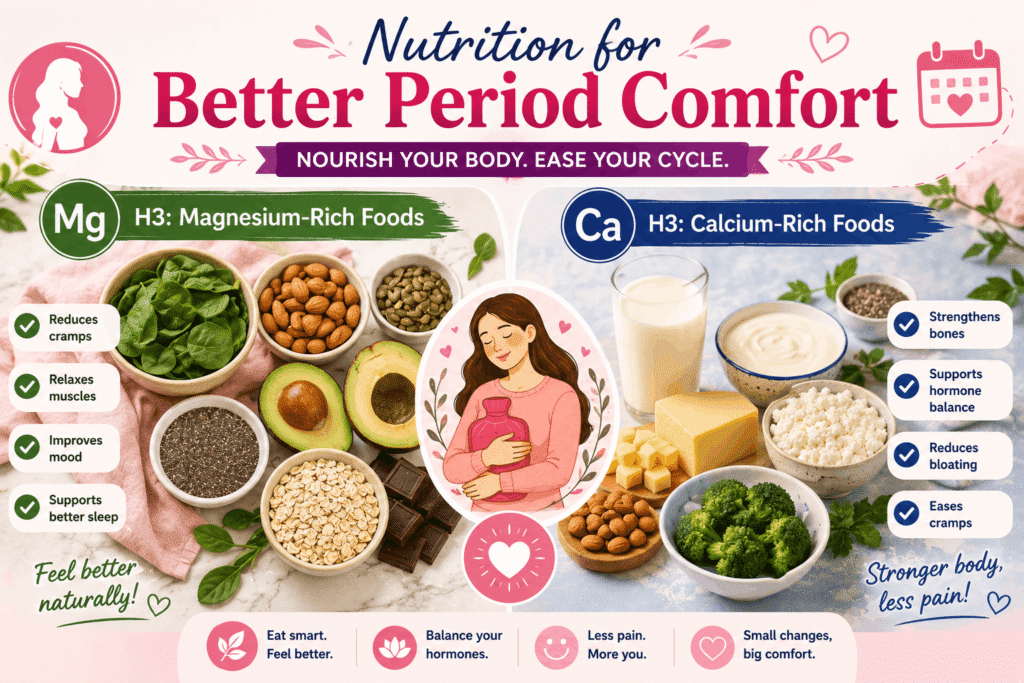
Calcium-Rich Foods
Calcium plays an important role in muscle contraction, nerve function, and bone health.
Good dietary sources include:
- Milk
- Yogurt
- Cheese
- Fortified plant-based milk
- Tofu made with calcium
- Kale
- Broccoli
Meeting daily calcium needs supports overall health throughout the menstrual cycle.
Omega-3 Foods
Omega-3 fatty acids have anti-inflammatory properties that may help reduce menstrual discomfort.
Foods high in omega-3s include:
- Salmon
- Sardines
- Mackerel
- Trout
- Walnuts
- Chia seeds
- Flaxseeds
Research suggests that diets rich in omega-3 fatty acids may be associated with reduced menstrual pain for some women.
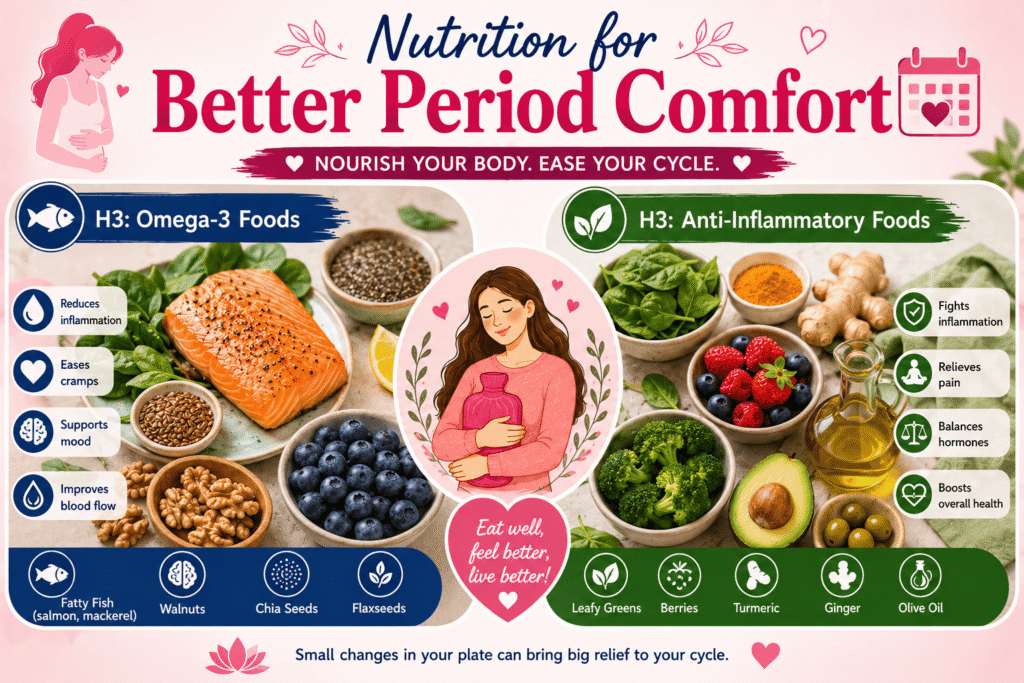
Anti-Inflammatory Foods
Including naturally anti-inflammatory foods in your diet may support overall health.
Examples include:
- Berries
- Tomatoes
- Olive oil
- Fatty fish
- Leafy green vegetables
- Nuts
- Turmeric
- Ginger
These foods are part of a balanced eating pattern rather than a quick treatment for menstrual pain.
Best Drinks During Your Period
Staying hydrated supports circulation, digestion, and overall well-being during menstruation.
Good beverage choices include:
- Water
- Herbal teas such as ginger or chamomile (if appropriate for you)
- Milk or fortified plant-based milk
- Smoothies made with fruit and yogurt
- Low-sugar electrolyte drinks if recommended after significant fluid loss
Limiting sugary beverages may help prevent unnecessary energy fluctuations.
Foods and Drinks to Limit
No food needs to be completely avoided unless recommended by your healthcare provider. However, some foods and beverages may worsen bloating, digestive discomfort, or energy fluctuations in certain women.
Paying attention to how your body responds can help you make choices that improve period comfort.
Highly Processed Foods
Highly processed foods are often high in sodium, unhealthy fats, and refined carbohydrates.
Examples include:
- Fast food
- Packaged snack foods
- Processed meats
- Frozen fried foods
Replacing these foods with whole, minimally processed options may support overall health and help reduce bloating.
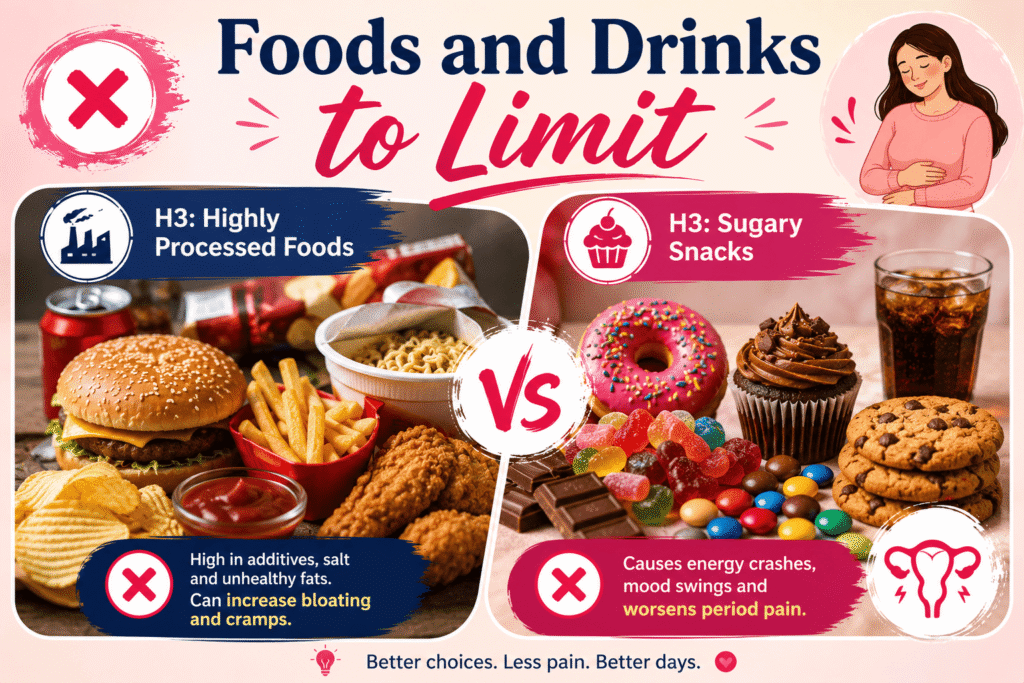
Sugary Snacks
Foods high in added sugar can contribute to rapid changes in blood sugar levels.
Examples include:
- Candy
- Cakes
- Cookies
- Sweet pastries
- Sugary breakfast cereals
Choosing fruit, yogurt, or nuts instead may provide more stable energy throughout the day.
Excess Salt
Eating too much sodium may increase fluid retention and bloating.
Try limiting:
- Salty chips
- Instant noodles
- Processed meats
- Canned soups with high sodium
- Packaged convenience meals
Preparing fresh meals at home can make sodium intake easier to manage.
Alcohol
Alcohol may worsen dehydration, interfere with sleep, and contribute to headaches or mood changes during menstruation.
If you choose to drink alcohol, moderation and adequate hydration are important. Some women may feel more comfortable avoiding alcohol during their period.
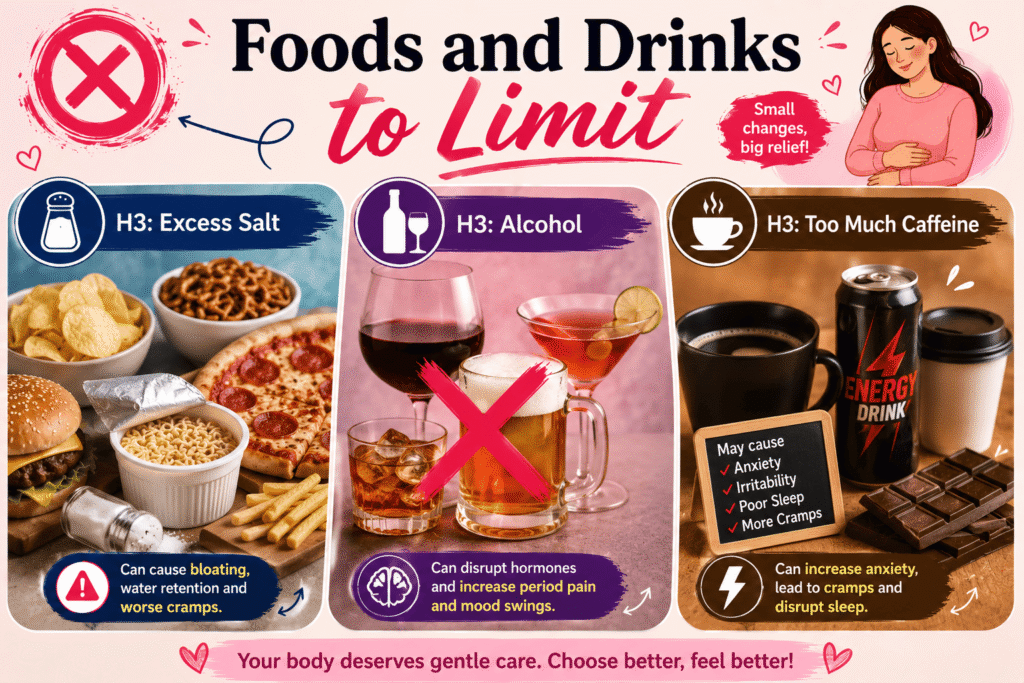
Too Much Caffeine
Moderate caffeine intake is generally safe for most healthy adults, but excessive amounts may worsen symptoms in some women.
High caffeine intake may contribute to:
- Anxiety
- Jitters
- Difficulty sleeping
- Increased breast tenderness
- Headaches in sensitive individuals
If caffeine seems to worsen your symptoms, consider reducing your intake or choosing alternatives such as water or herbal tea. If you have concerns about your diet or persistent menstrual symptoms, discuss them with your healthcare provider or a registered dietitian.
Exercise During Your Period
Many women wonder whether it is safe to exercise during their period. In most cases, the answer is yes. According to the American College of Obstetricians and Gynecologists (ACOG), regular physical activity is beneficial throughout the menstrual cycle and can help reduce common symptoms such as cramps, fatigue, stress, and mood changes.
The key is to listen to your body. Some days you may feel energetic enough for your usual workout, while on other days a gentle walk or stretching session may feel more appropriate. There is no need to push through severe pain or exhaustion.
Benefits of Staying Active
Even light to moderate exercise can positively affect both physical and emotional well-being during menstruation.
Research suggests that regular movement may help:
- Reduce menstrual cramps by improving blood flow
- Release endorphins, the body’s natural pain-relieving chemicals
- Improve mood and reduce stress
- Increase energy levels
- Reduce bloating
- Support healthy digestion
- Improve sleep quality
- Reduce muscle stiffness
Experts commonly recommend aiming for regular physical activity throughout the month rather than exercising only when symptoms appear.
Best Exercises
Choosing gentle or moderate activities can help you stay comfortable while supporting your overall health. The best exercise is one that feels good for your body and matches your energy level.
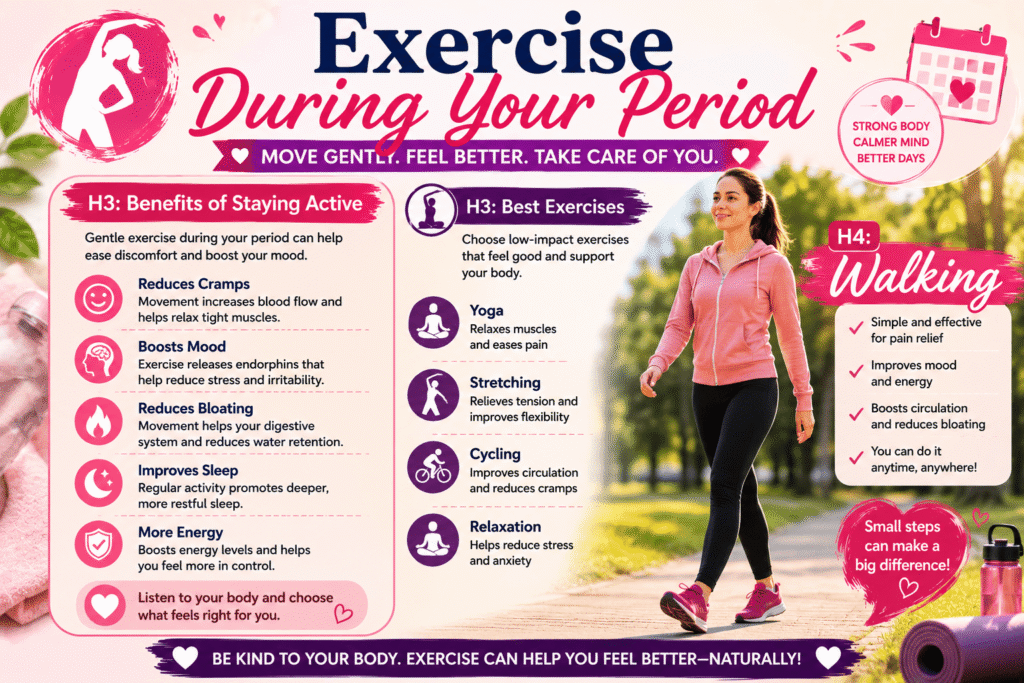
Walking
Walking is one of the easiest and most accessible forms of exercise during your period.
Benefits include:
- Improved circulation
- Reduced muscle stiffness
- Better mood
- Increased energy
- Lower stress levels
A comfortable 20- to 30-minute walk outdoors or on a treadmill can help many women feel better without placing excessive strain on the body.
Yoga
Gentle yoga combines movement, stretching, and controlled breathing, making it a popular choice during menstruation.
Studies have found that yoga may help reduce:
- Menstrual cramps
- Lower back pain
- Stress
- Anxiety
- Fatigue
Comfortable poses that many women enjoy include:
- Child’s Pose
- Cat-Cow Stretch
- Supine Twist
- Butterfly Pose
- Happy Baby Pose
Avoid poses that feel uncomfortable or increase pain, and modify movements as needed.
Stretching
Simple stretching exercises help relax tight muscles and improve flexibility.
Gentle stretches for the:
- Lower back
- Hips
- Hamstrings
- Pelvis
- Shoulders
may ease stiffness caused by menstrual cramps and prolonged sitting.
Move slowly and breathe steadily during each stretch without forcing your body beyond its comfort level.
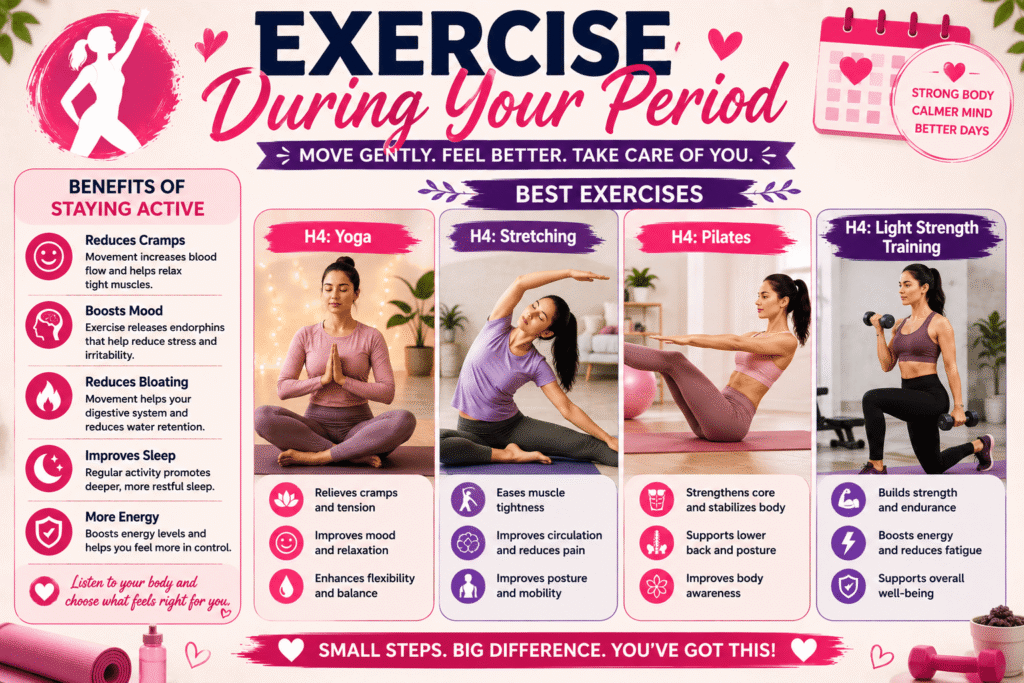
Pilates
Low-impact Pilates focuses on core stability, posture, flexibility, and controlled movement.
Some women find gentle Pilates helpful for:
- Improving posture
- Supporting pelvic stability
- Reducing lower back discomfort
- Increasing body awareness
If abdominal exercises worsen cramps, modify the routine or choose gentler movements until symptoms improve.
Light Strength Training
Light resistance training is generally safe for healthy women who feel well enough to exercise.
Using lighter weights or resistance bands can help maintain muscle strength while avoiding unnecessary fatigue.
Focus on:
- Controlled movements
- Proper technique
- Comfortable intensity
- Adequate rest between exercises
If you experience dizziness, severe cramps, or unusually heavy bleeding during exercise, stop and rest.
Exercises to Modify When You Don’t Feel Well
Not every period feels the same. Some days, reducing the intensity of your workout may be the healthiest choice.
Consider modifying or postponing strenuous exercise if you experience:
- Severe cramps
- Heavy menstrual bleeding
- Dizziness
- Extreme fatigue
- Migraine
- Fever or illness
Instead, choose lighter activities such as:
- Gentle walking
- Easy stretching
- Deep breathing exercises
- Restorative yoga
If pain consistently prevents you from exercising or participating in daily activities, seek medical evaluation. Persistent severe pain may indicate an underlying condition such as endometriosis or adenomyosis.
Sleep Tips for Better Period Comfort
Getting enough sleep can be challenging during menstruation, especially if cramps, bloating, headaches, or frequent trips to the bathroom interrupt your rest. Yet quality sleep is essential for pain management, emotional well-being, immune function, and hormone regulation.
Creating healthy sleep habits can make your period more manageable and help your body recover overnight.
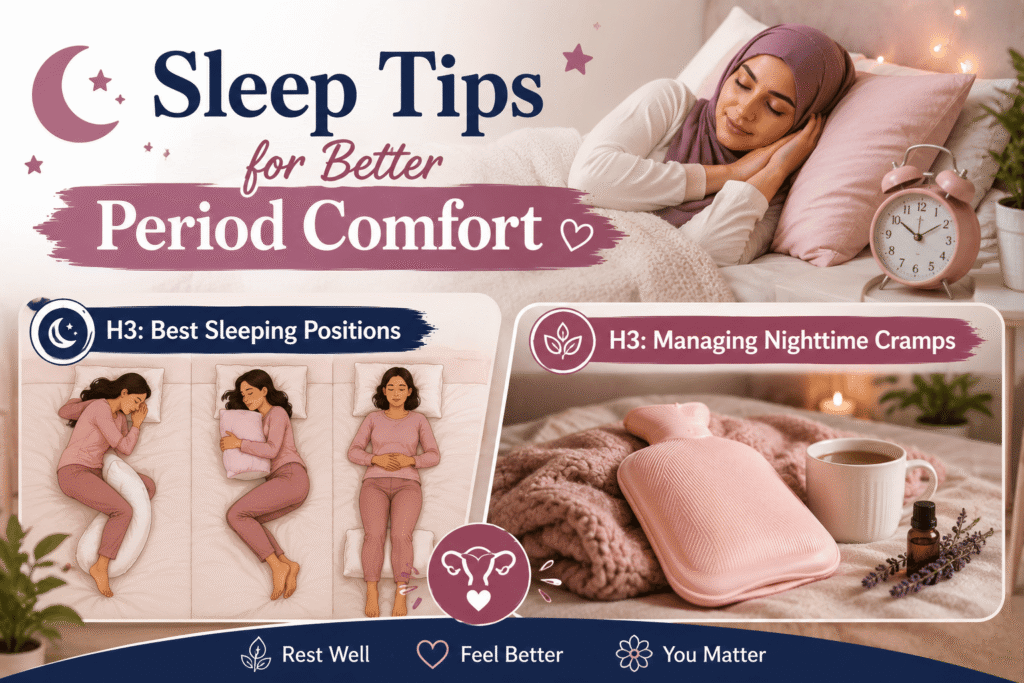
Best Sleeping Positions
Your sleeping position may influence how comfortable you feel during your period.
Many women find relief by sleeping:
- On the side with knees slightly bent (fetal position)
- On the back with a pillow under the knees for lower back support
These positions may reduce pressure on the abdominal muscles and lower back.
Sleeping on your stomach may increase abdominal pressure and may feel less comfortable for some women, although personal preference varies.
Choose the position that allows you to relax and sleep comfortably.
Managing Nighttime Cramps
Nighttime cramps can interrupt sleep and leave you feeling tired the next day.
Before bed, consider these self-care strategies:
- Apply a heating pad or hot water bottle to the lower abdomen or back
- Take a warm bath or shower
- Perform gentle stretching
- Stay hydrated
- Empty your bladder before sleeping
- Take pain-relief medication as recommended by your healthcare provider, if needed
Using overnight menstrual products with appropriate absorbency may also reduce concerns about leaks and help you sleep more comfortably.
Creating a Relaxing Bedtime Routine
A calming bedtime routine signals your body that it is time to rest.
Helpful habits include:
- Reading a book
- Gentle stretching
- Practicing deep breathing
- Listening to calming music
- Taking a warm shower
- Dimming lights before bed
Avoid stimulating activities or stressful tasks immediately before bedtime whenever possible.
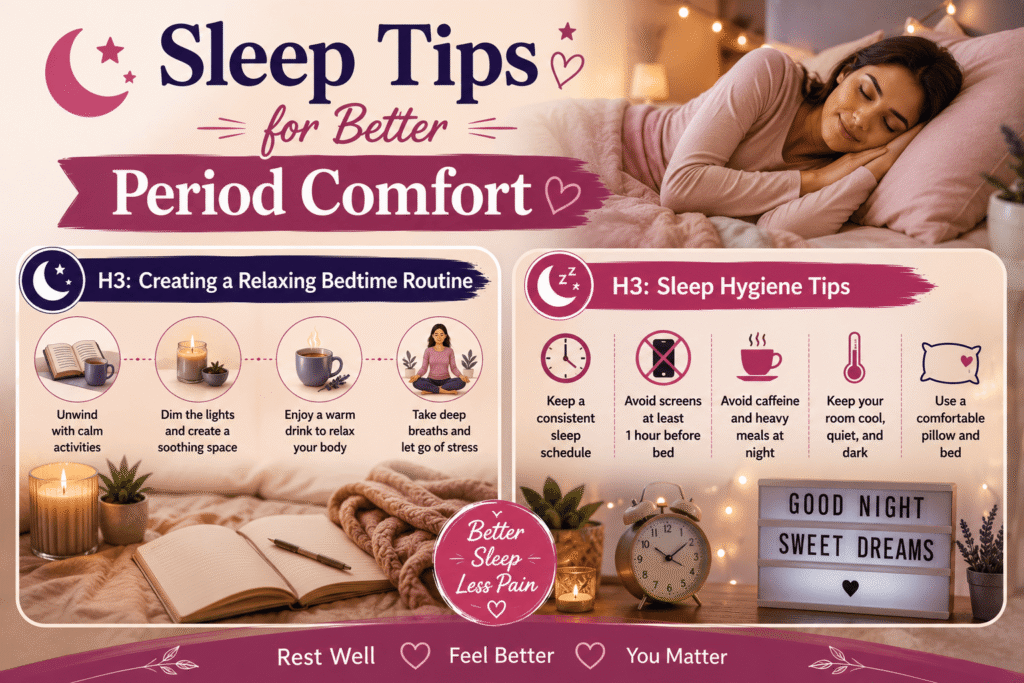
Sleep Hygiene Tips
Good sleep hygiene supports better rest throughout your menstrual cycle.
Experts commonly recommend:
- Going to bed and waking up at consistent times
- Keeping your bedroom cool, dark, and quiet
- Limiting screen time for at least 30 to 60 minutes before bed
- Avoiding large meals immediately before bedtime
- Limiting caffeine later in the day
- Wearing loose, breathable sleepwear
- Using comfortable bedding
Research suggests that improving sleep habits may help reduce fatigue, improve mood, and enhance your ability to cope with menstrual discomfort.
If sleep problems continue for several weeks or significantly affect your daily life, discuss them with a healthcare provider.
Emotional Well-Being During Your Period
Menstruation affects more than physical health. Hormonal changes during the menstrual cycle can influence mood, emotions, concentration, and stress levels. While temporary emotional changes are common, understanding them can help you respond with self-compassion and healthy coping strategies.
Supporting emotional well-being is an important part of overall period comfort.
Why Mood Changes Happen
Hormones such as estrogen and progesterone fluctuate throughout the menstrual cycle. These changes can influence neurotransmitters in the brain, including serotonin, which helps regulate mood, sleep, and emotional balance.
As hormone levels change, some women may notice:
- Mood swings
- Increased sensitivity
- Irritability
- Anxiety
- Feeling tearful
- Reduced concentration
- Low motivation
Research suggests that while these symptoms are common, their intensity varies widely from person to person.
Maintaining healthy lifestyle habits—including regular exercise, balanced nutrition, and sufficient sleep—may help lessen emotional symptoms.
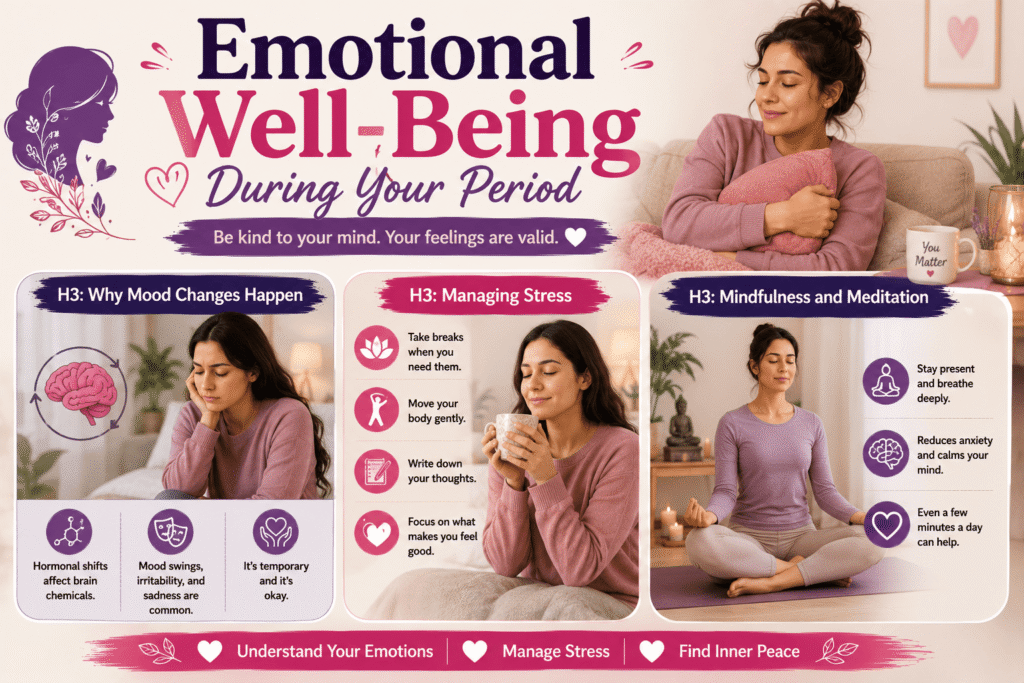
Managing Stress
Stress can make menstrual symptoms feel more intense, both physically and emotionally.
Healthy ways to manage stress include:
- Taking regular breaks during busy days
- Spending time outdoors
- Exercising regularly
- Practicing relaxation techniques
- Listening to music
- Reading
- Engaging in hobbies you enjoy
- Maintaining realistic expectations for yourself
Small daily habits often have a greater impact than occasional major changes.
Mindfulness and Meditation
Mindfulness encourages you to focus on the present moment without judgment.
Meditation and mindfulness practices may help:
- Reduce stress
- Improve emotional resilience
- Promote relaxation
- Support better sleep
- Reduce the perception of pain
Even five to ten minutes of quiet breathing or guided meditation each day may improve emotional well-being during your period.
Journaling
Research suggests that mindfulness-based practices can be a helpful addition to other self-care strategies.
Writing down your thoughts and symptoms can help you better understand your menstrual cycle.
A period journal may include:
- Start and end dates of your period
- Pain levels
- Mood changes
- Sleep quality
- Energy levels
- Exercise
- Foods eaten
- Menstrual flow
Tracking patterns over several months can help you recognize what improves your symptoms and provide valuable information to share with your healthcare provider if concerns arise.
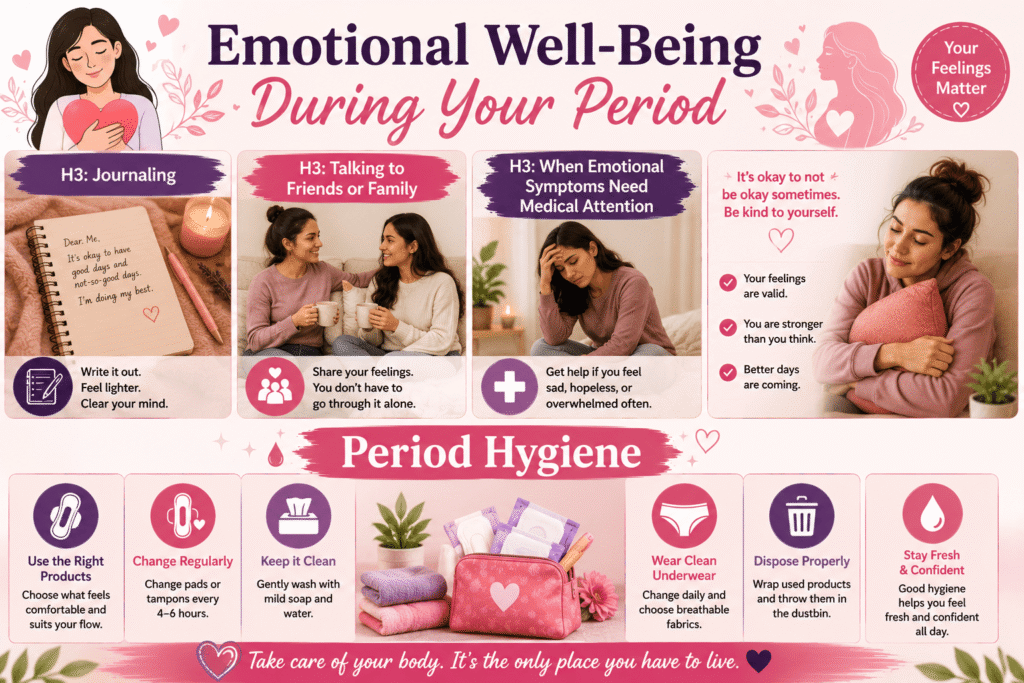
Talking to Friends or Family
Periods are a normal part of reproductive health, and you do not have to manage difficult days alone.
Talking with someone you trust may provide:
- Emotional support
- Practical help
- Reassurance
- Reduced feelings of isolation
Whether it is a friend, family member, partner, or healthcare professional, open communication can make challenging days easier to manage.
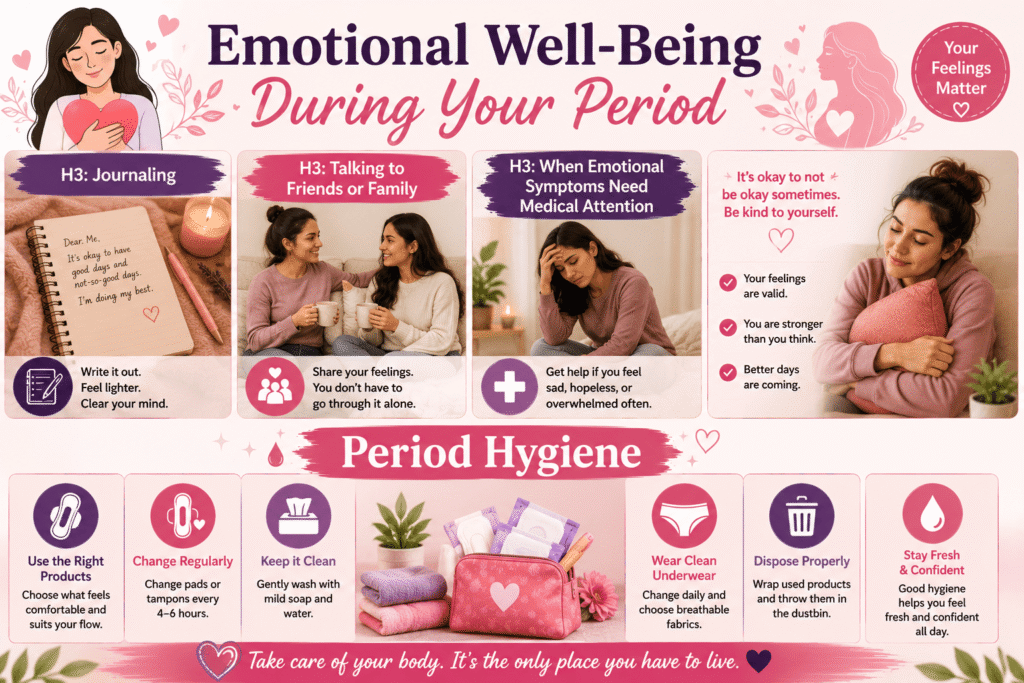
When Emotional Symptoms Need Medical Attention
Temporary mood changes are common, but emotional symptoms should not severely interfere with your daily life.
Situations that require medical evaluation include:
- Depression lasting beyond your menstrual period
- Severe anxiety or panic attacks
- Extreme mood swings
- Difficulty functioning at work, school, or home
- Feelings of hopelessness
- Loss of interest in activities you usually enjoy
- Thoughts of self-harm or suicide
Some women may experience Premenstrual Dysphoric Disorder (PMDD), a more severe form of premenstrual symptoms that requires professional evaluation and treatment.
According to ACOG, effective treatments are available for significant menstrual-related mood disorders. If emotional symptoms become severe, persistent, or concerning, schedule an appointment with a qualified healthcare provider or mental health professional.
Early support can improve both emotional well-being and overall quality of lifePeriod Hygiene Best Practices
Good menstrual hygiene is an important part of overall reproductive health. Keeping the genital area clean, changing menstrual products regularly, and using products correctly can help prevent irritation, reduce odor, and lower the risk of infections.
According to the World Health Organization (WHO), access to safe menstrual products and proper hygiene practices is essential for women’s health, comfort, and dignity.
There is no single hygiene routine that works for everyone, but following evidence-based recommendations can help you stay comfortable throughout your period.
How Often to Change Pads
Disposable and reusable pads should be changed regularly, even if your menstrual flow is light. Wearing the same pad for too long can increase moisture, create an unpleasant odor, and irritate the skin.
Experts commonly recommend changing disposable pads every 3 to 6 hours, or sooner if they become soaked. During heavier flow, more frequent changes may be necessary.
Additional tips include:
- Wash your hands before and after changing a pad.
- Choose the appropriate absorbency for your flow.
- Change overnight pads promptly after waking.
- Dispose of used disposable pads properly by wrapping them before placing them in a trash bin.
- Wash reusable cloth pads thoroughly according to the manufacturer’s instructions and allow them to dry completely before reuse.
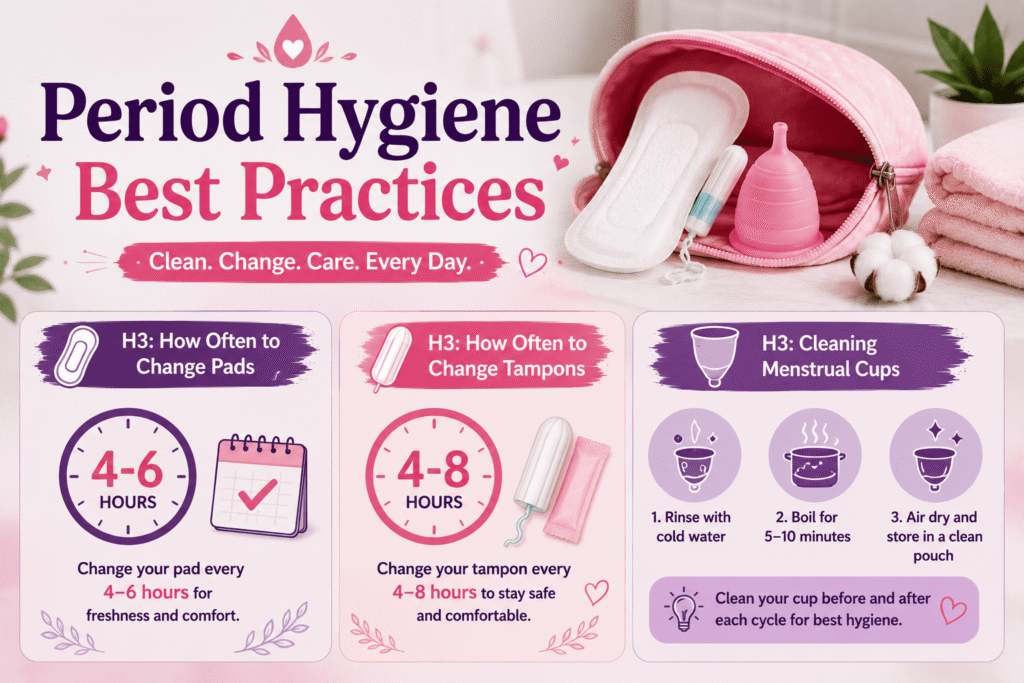
How Often to Change Tampons
Tampons should always be changed according to the manufacturer’s instructions to reduce the risk of Toxic Shock Syndrome (TSS), a rare but serious bacterial illness.
Healthcare professionals recommend:
- Changing tampons every 4 to 8 hours
- Using the lowest absorbency needed for your menstrual flow
- Washing your hands before and after insertion or removal
- Avoiding wearing the same tampon overnight for longer than recommended
Seek immediate medical attention if you experience symptoms such as a sudden high fever, rash, vomiting, diarrhea, dizziness, or confusion while using a tampon, as these may be signs of TSS.
Cleaning Menstrual Cups
Menstrual cups are safe and effective when cleaned properly. Good hygiene helps reduce the risk of irritation and supports long-term use.
General care recommendations include:
- Wash your hands before handling the cup.
- Empty the cup every 8 to 12 hours, or more often if you have a heavy flow.
- Rinse the cup with clean water and wash it using a mild, fragrance-free cleanser if recommended by the manufacturer.
- Sterilize the cup by boiling it for the recommended time before the first use and after each menstrual cycle.
- Store the cup in a clean, breathable storage bag rather than an airtight container.
Always follow the manufacturer’s cleaning instructions, as recommendations may vary between brands.
Preventing Odor
A mild menstrual odor is normal and is usually caused by blood mixing with bacteria naturally found on the skin. A strong or unpleasant odor is often related to menstrual products being left in place too long or, in some cases, an infection.
To help prevent odor:
- Change menstrual products regularly.
- Wash the external genital area daily with warm water.
- Wear breathable cotton underwear.
- Avoid staying in wet or sweaty clothing for long periods.
- Drink enough water and maintain good overall hygiene.
If you notice a strong fishy odor, foul-smelling discharge, fever, or unusual vaginal discharge, seek medical evaluation, as these symptoms may indicate an infection.
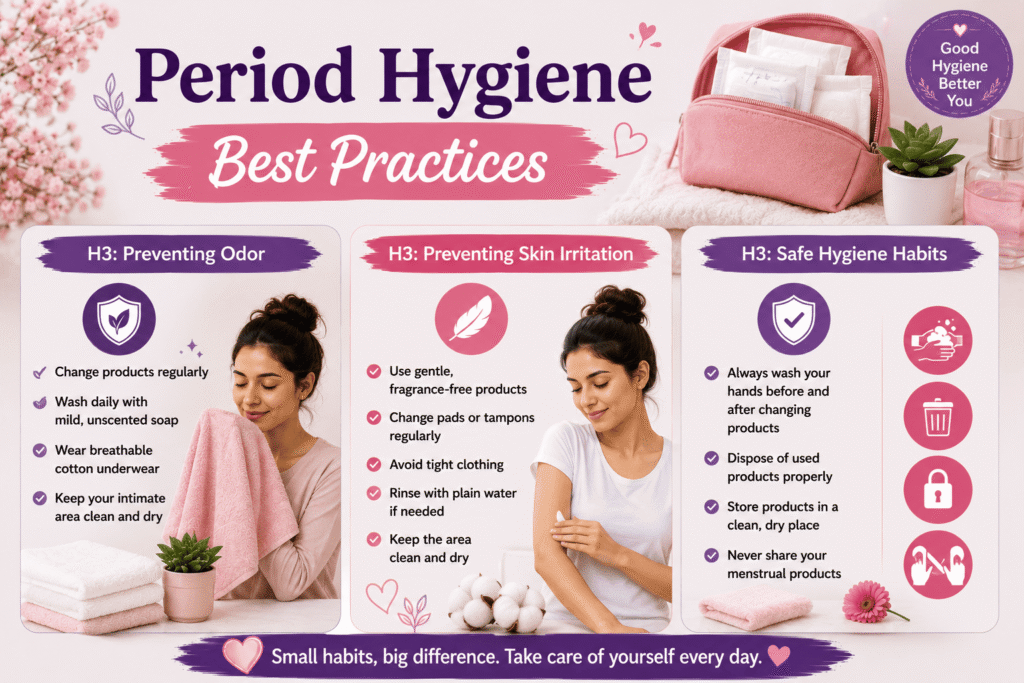
Preventing Skin Irritation
The skin around the vulva can become irritated by prolonged moisture, friction, or certain ingredients in menstrual products.
To reduce irritation:
- Change pads and liners regularly.
- Choose unscented menstrual products if you have sensitive skin.
- Wear loose, breathable underwear and clothing.
- Keep the area clean and dry.
- Avoid harsh soaps, powders, or perfumed sprays on the genital area.
If you develop severe itching, persistent redness, painful sores, or a rash that does not improve, consult a healthcare provider.
Safe Hygiene Habits
Simple daily habits can help keep you comfortable and support reproductive health during menstruation.
Safe hygiene practices include:
- Wash your hands before and after changing menstrual products.
- Bathe or shower regularly.
- Clean only the external genital area with warm water or a mild, fragrance-free cleanser if needed.
- Avoid douching, as the vagina naturally cleans itself and douching may increase the risk of infection.
- Wear clean underwear every day.
- Stay hydrated and maintain a balanced diet to support overall health.
Following these habits can help reduce discomfort while protecting the natural balance of the vaginal environment.
Building a Comfortable Period Self-Care Routine
A consistent self-care routine can make your period feel more manageable. Small habits practiced throughout the day often provide more lasting comfort than waiting until symptoms become severe.
Your routine does not need to be complicated. Focus on hydration, nutritious meals, gentle movement, rest, and regular menstrual hygiene.
Morning Routine
Starting your day with healthy habits can help reduce discomfort and improve energy.
A simple morning routine may include:
- Drink a glass of water after waking.
- Change your pad, tampon, cup, or other menstrual product if needed.
- Eat a balanced breakfast with protein, whole grains, and fruit.
- Perform five to ten minutes of gentle stretching.
- Take any medications recommended by your healthcare provider.
- Wear comfortable clothing suitable for your daily activities.
Beginning the day with hydration and movement may help reduce stiffness and improve circulation.
Afternoon Routine
Energy levels may fluctuate during the afternoon, so it is helpful to check in with your body.
Consider the following habits:
- Stay hydrated by drinking water throughout the day.
- Eat a balanced lunch rich in vegetables, lean protein, and whole grains.
- Take a short walk if possible.
- Change your menstrual product as recommended.
- Practice deep breathing or take a few minutes to relax if stress builds up.
- Have a healthy snack if needed, such as fruit, yogurt, or a handful of nuts.
Maintaining regular meals and movement may help support stable energy and mood.
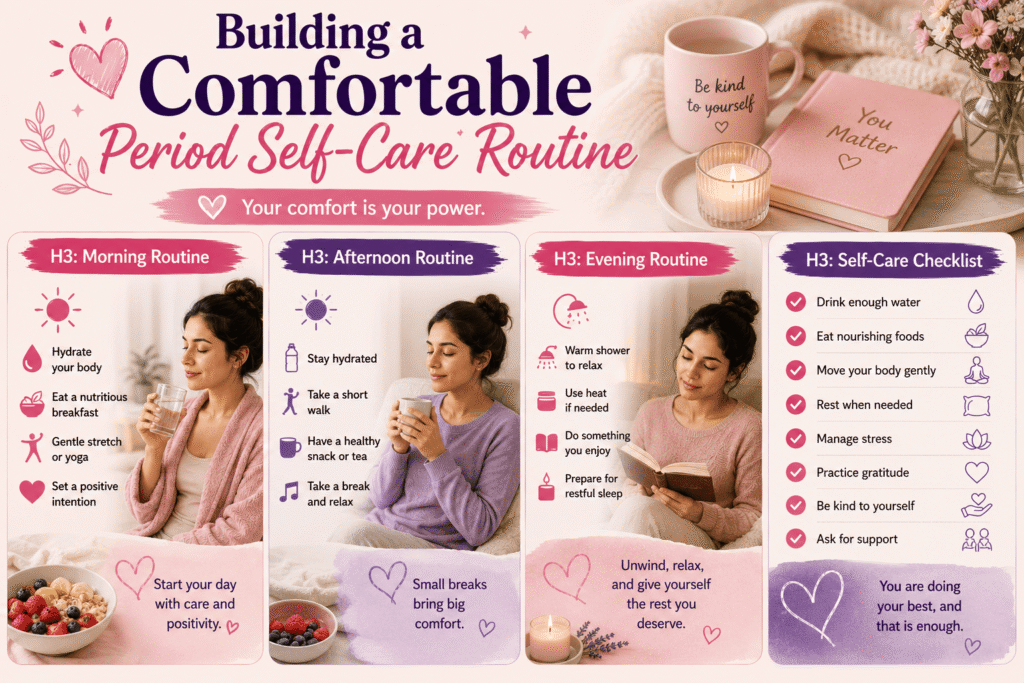
Evening Routine
The evening is an ideal time to help your body relax and prepare for restful sleep.
A comforting evening routine may include:
- Eat a light, balanced dinner.
- Take a warm shower or bath.
- Use a heating pad if you have cramps or lower back pain.
- Perform gentle stretching or restorative yoga.
- Limit screen time before bed.
- Change into clean, breathable sleepwear.
- Use an overnight menstrual product if needed.
A calm evening routine may help improve sleep quality and reduce nighttime discomfort.
Self-Care Checklist
Use this checklist to support comfort during your period:
- Drink enough water throughout the day.
- Eat balanced, nutrient-rich meals.
- Change menstrual products on time.
- Get regular, gentle physical activity.
- Use heat therapy for cramps if needed.
- Practice stress-management techniques.
- Get 7–9 hours of sleep each night.
- Wear comfortable clothing.
- Track your menstrual cycle and symptoms.
- Contact a healthcare provider if symptoms become severe or unusual.
Remember that self-care looks different for everyone. Adjust your routine to meet your individual needs and energy levels.
Common Period Myths vs Facts
Misinformation about menstruation has existed for generations and can lead to unnecessary worry or unhealthy practices. Understanding the facts can help you make informed decisions about your menstrual health.
Trusted organizations such as ACOG and WHO encourage menstrual education based on scientific evidence rather than myths.
Can You Exercise on Your Period?
Myth: You should avoid exercise during your period.
Fact: In most cases, exercise is safe and beneficial during menstruation.
Research suggests that regular physical activity may help reduce menstrual cramps, improve mood, increase energy, and support better sleep. Walking, yoga, stretching, and other low- to moderate-intensity exercises are excellent choices for many women.
If you have severe pain, heavy bleeding, dizziness, or another medical condition, you may need to modify your activity and consult your healthcare provider.
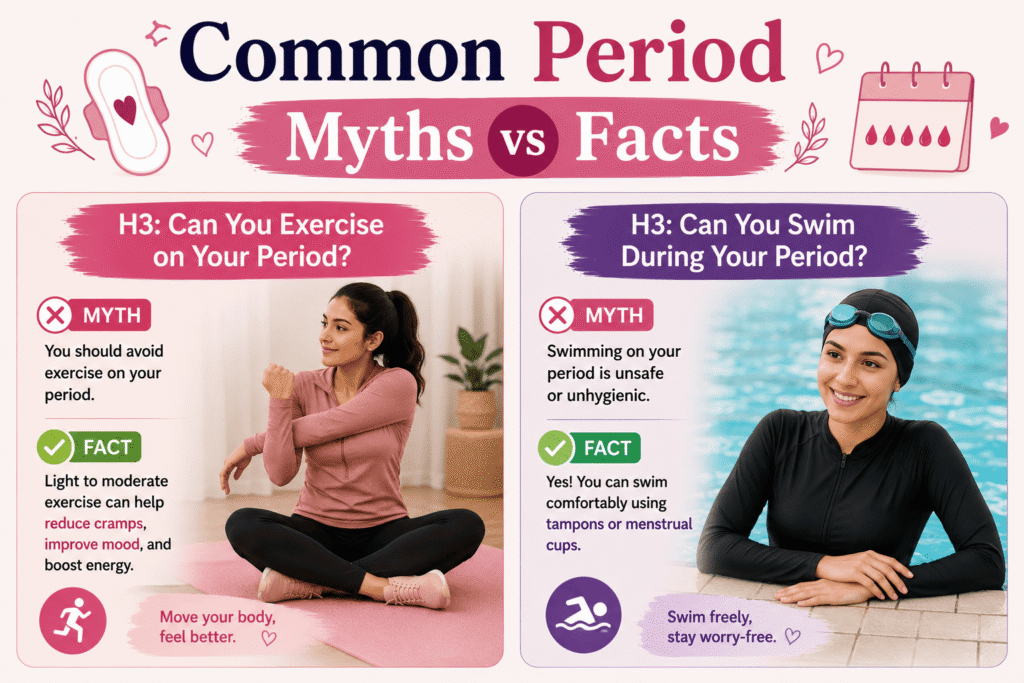
Can You Swim During Your Period?
Myth: Swimming during your period is unsafe.
Fact: You can safely swim during your period if you use appropriate menstrual protection, such as a tampon or menstrual cup.
Swimming does not stop your period or harm your reproductive health. In fact, many women find that gentle swimming helps them feel more relaxed and comfortable.
Be sure to change your tampon soon after swimming or clean your menstrual cup according to the manufacturer’s instructions.
Do Cold Drinks Stop Your Period?
Myth: Drinking cold water or cold beverages can stop or delay your period.
Fact: There is no scientific evidence that cold drinks affect menstrual flow.
Your menstrual cycle is regulated by hormones produced by the brain and ovaries, not by the temperature of the foods or beverages you consume.
Staying well hydrated—whether with cold or room-temperature water—is beneficial during menstruation.
Are Tampons Dangerous?
Myth: Tampons are unsafe for most women.
Fact: Tampons are considered safe when used correctly.
To use tampons safely:
- Choose the lowest absorbency needed for your flow.
- Change them every 4 to 8 hours.
- Wash your hands before and after use.
- Follow the manufacturer’s instructions carefully.
Although Toxic Shock Syndrome (TSS) is rare, recognizing the symptoms and using tampons properly helps minimize the risk.
If tampons cause ongoing discomfort or are not the right choice for you, there are many other safe menstrual products available.
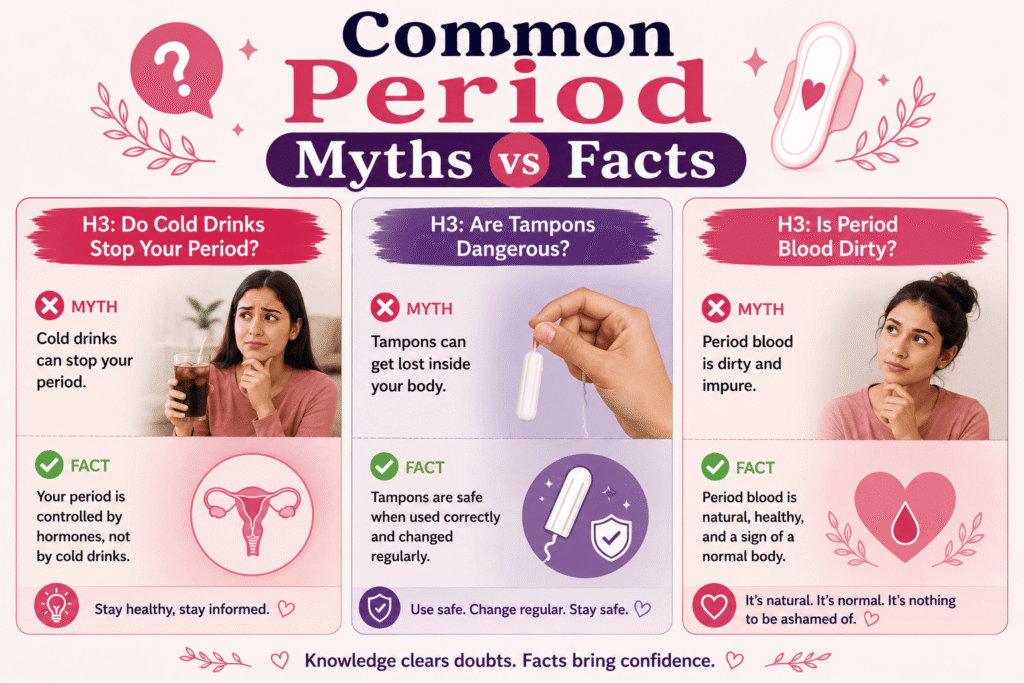
Is Period Blood Dirty?
Myth: Menstrual blood is dirty or contaminated.
Fact: Menstrual blood is not dirty. It is a natural mixture of blood, tissue from the uterine lining, cervical mucus, and vaginal secretions that the body sheds during the menstrual cycle.
Menstruation is a healthy biological process and an important sign of reproductive health for many women.
Maintaining good menstrual hygiene—not because menstrual blood is “unclean,” but because regular hygiene supports comfort and reduces the risk of irritation—is the best approach. Understanding the science behind menstruation helps reduce stigma and encourages open, informed conversations about women’s health.
Common Mistakes That Can Make Periods Worse
Many period symptoms can be managed with healthy habits and appropriate self-care. However, certain everyday mistakes may unintentionally make cramps, fatigue, bloating, or mood changes feel worse. Recognizing these habits can help you make simple adjustments that improve comfort throughout your menstrual cycle.
Not Drinking Enough Water
Staying hydrated is important during your period. Although drinking water does not stop menstrual cramps, dehydration can contribute to headaches, fatigue, constipation, and a general feeling of discomfort.
Research suggests that adequate hydration supports normal body functions and may help reduce bloating for some women.
To stay hydrated:
- Drink water regularly throughout the day.
- Carry a reusable water bottle when you’re away from home.
- Eat water-rich foods such as cucumbers, oranges, watermelon, and strawberries.
- Increase fluid intake during hot weather or after exercise.
If you experience persistent dizziness, excessive thirst, or signs of dehydration, seek medical advice.
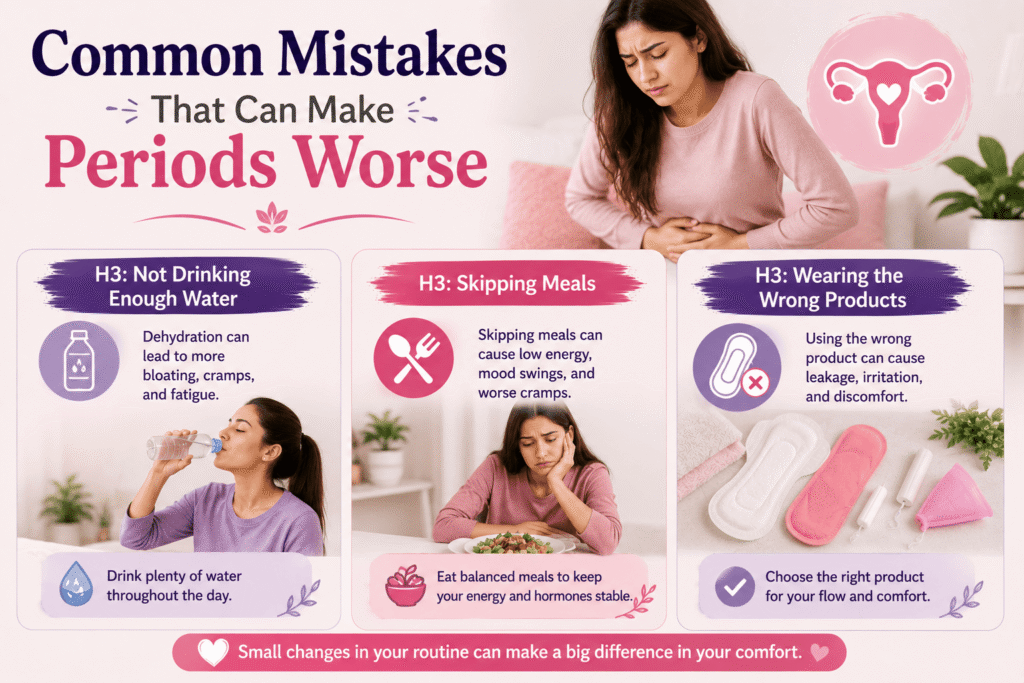
Skipping Meals
Loss of appetite or a busy schedule may lead some women to skip meals during their period. However, going long periods without eating can cause blood sugar levels to fluctuate, potentially worsening fatigue, irritability, headaches, and low energy.
Experts commonly recommend eating balanced meals that include:
- Lean protein
- Whole grains
- Fruits
- Vegetables
- Healthy fats
Small, nutritious snacks between meals can also help maintain stable energy levels throughout the day.
Wearing the Wrong Products
Using menstrual products that do not match your flow or lifestyle can increase discomfort and anxiety about leaks.
Common mistakes include:
- Using a pad or tampon with insufficient absorbency for a heavy flow.
- Wearing a tampon longer than recommended.
- Choosing products that cause skin irritation.
- Wearing damp or uncomfortable menstrual products for extended periods.
Selecting the right menstrual product and changing it at the recommended intervals can improve comfort, hygiene, and confidence.
Ignoring Severe Pain
While mild to moderate menstrual cramps are common, severe pain should not be considered a normal part of every period.
Pain that:
- Prevents you from attending school or work
- Does not improve with recommended self-care
- Becomes progressively worse over time
- Is accompanied by heavy bleeding or fever
may indicate an underlying medical condition such as endometriosis, adenomyosis, uterine fibroids, or pelvic inflammatory disease.
According to ACOG, severe or persistent menstrual pain should be evaluated by a healthcare provider rather than managed with repeated self-treatment alone.
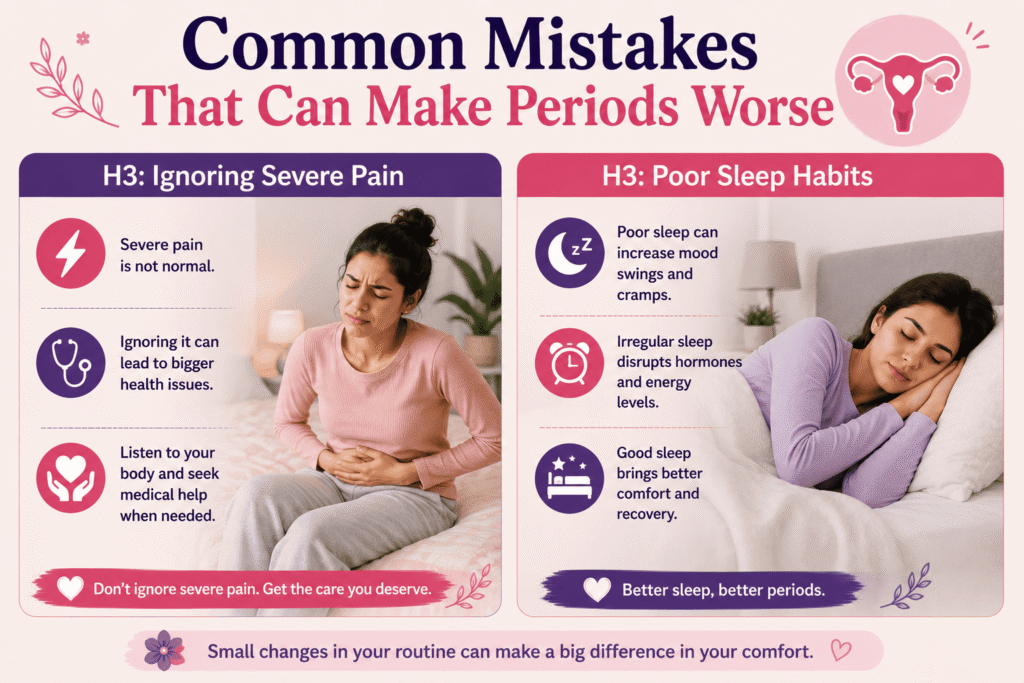
Poor Sleep Habits
Quality sleep plays an important role in managing menstrual symptoms. Poor sleep may increase sensitivity to pain and make mood changes, fatigue, and stress feel more intense.
Healthy sleep habits include:
- Maintaining a consistent bedtime.
- Creating a cool, quiet, and comfortable sleeping environment.
- Limiting caffeine later in the day.
- Reducing screen time before bed.
- Following a relaxing bedtime routine.
Studies have found that good sleep supports overall physical and emotional well-being throughout the menstrual cycle.
Research-Backed Ways to Improve Period Comfort
What ACOG Recommends
Reliable menstrual health advice should be based on high-quality scientific evidence and recommendations from trusted health organizations. The following guidance reflects current best practices from leading medical authorities and research.
ACOG supports evidence-based strategies such as:
The American College of Obstetricians and Gynecologists (ACOG) recommends a personalized approach to managing menstrual symptoms based on each woman’s needs and medical history.
- Staying physically active.
- Using heat therapy for menstrual cramps.
- Taking over-the-counter nonsteroidal anti-inflammatory drugs (NSAIDs), such as ibuprofen or naproxen, when appropriate.
- Maintaining healthy sleep habits.
- Choosing menstrual products that fit your comfort and lifestyle.
- Tracking menstrual cycles and symptoms.
ACOG also emphasizes that severe pain or unusually heavy bleeding should not be ignored and deserves medical evaluation.
WHO Guidance
The World Health Organization (WHO) recognizes menstrual health as an essential part of overall health and well-being.
WHO recommends:
- Access to safe and affordable menstrual products.
- Good menstrual hygiene practices.
- Accurate menstrual health education.
- Access to healthcare services when symptoms are severe or abnormal.
- Reducing stigma surrounding menstruation through education and open discussion.
WHO also highlights the importance of clean water, sanitation, and privacy for safe menstrual hygiene management.
NHS Recommendations
The National Health Service (NHS) in the United Kingdom recommends several practical measures for managing common menstrual discomfort.
These include:
- Using a heating pad or hot water bottle for cramps.
- Remaining physically active with gentle exercise.
- Getting adequate rest.
- Taking pain-relief medication as directed when needed.
- Eating a balanced diet and staying hydrated.
- Seeking medical advice if symptoms become severe or interfere with daily life.
The NHS also encourages women to track their menstrual cycles and discuss any significant changes with a healthcare professional.
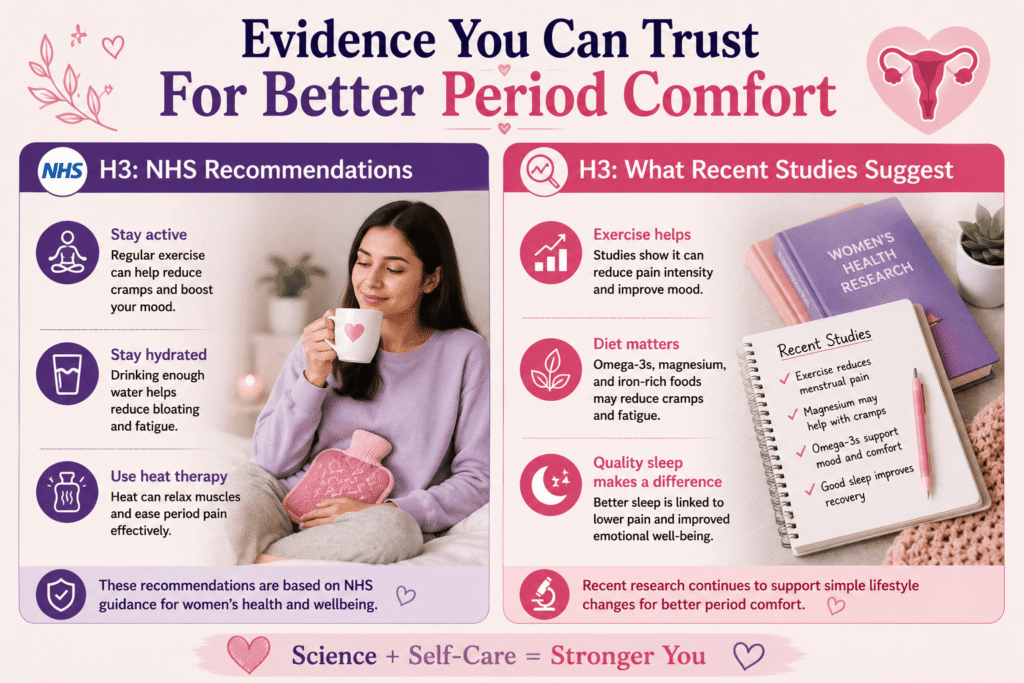
What Recent Studies Suggest
Recent research continues to improve our understanding of menstrual health and symptom management.
Studies have found that:
- Regular physical activity may reduce menstrual cramps and improve mood.
- Heat therapy can provide meaningful relief for mild to moderate menstrual pain.
- Yoga and stretching may help decrease cramping and stress.
- Balanced nutrition supports overall menstrual health.
- Adequate sleep contributes to improved pain tolerance and emotional well-being.
- Mindfulness and relaxation techniques may reduce the perception of pain and improve quality of life.
Research also suggests that no single treatment works for everyone. Combining healthy lifestyle habits with individualized medical care often provides the best results.
When to Contact a Healthcare Provider
Most menstrual symptoms can be managed at home, but some changes should be evaluated by a healthcare professional. Early diagnosis can help identify underlying conditions and prevent complications.
Never hesitate to seek medical advice if your symptoms are severe, persistent, or different from your usual menstrual pattern.
Severe Pain
Mild to moderate cramps are common, but severe pain is not considered a normal part of menstruation.
Contact a healthcare provider if:
- Pain prevents you from working, attending school, or completing normal activities.
- Pain does not improve with recommended medications or self-care.
- Pain becomes progressively worse over several menstrual cycles.
- You experience severe pelvic pain outside of your menstrual period.
These symptoms may be associated with conditions such as endometriosis, adenomyosis, or uterine fibroids.
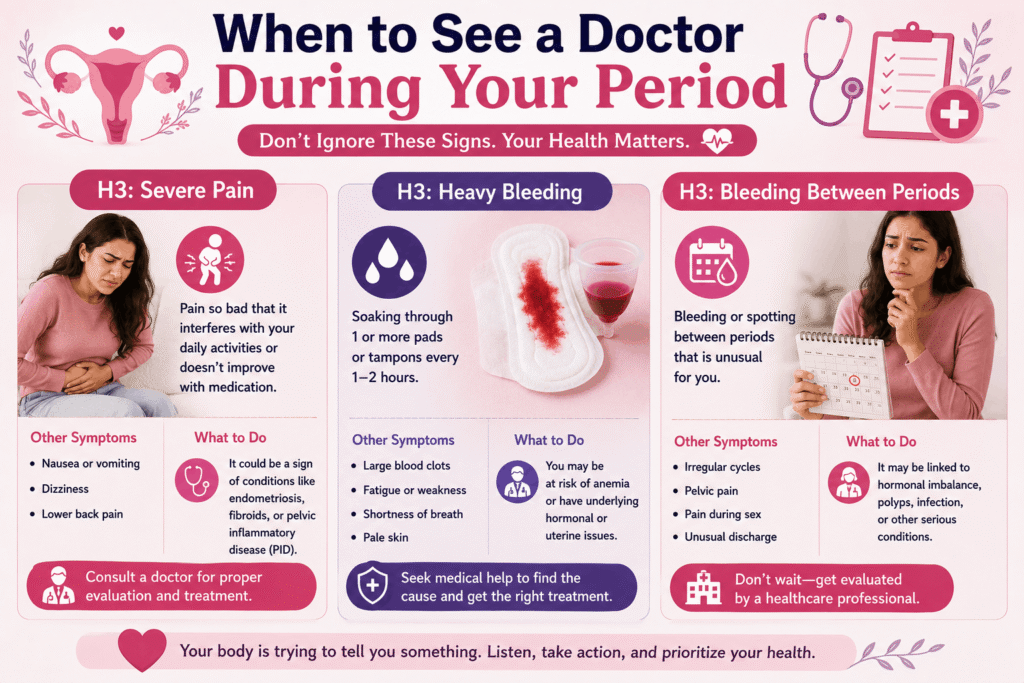
Heavy Bleeding
Heavy menstrual bleeding can affect your quality of life and increase the risk of iron-deficiency anemia.
Medical evaluation is recommended if you:
- Soak through a pad or tampon every hour for two or more consecutive hours.
- Pass large blood clots regularly.
- Need to change menstrual protection multiple times during the night.
- Experience dizziness, weakness, or shortness of breath during your period.
Your healthcare provider may recommend blood tests, imaging, or other evaluations to determine the cause.
Bleeding Between Periods
Bleeding or spotting between regular menstrual periods is not always a cause for concern, but it should be discussed with a healthcare provider, particularly if it occurs repeatedly.
Possible causes include:
- Hormonal changes
- Certain medications
- Cervical or uterine conditions
- Pregnancy-related causes
- Infections
Prompt evaluation helps identify the underlying reason and determine whether treatment is needed.
Irregular Cycles
Some variation in cycle length is normal, especially during adolescence or the years leading up to menopause. However, ongoing irregular periods may require medical evaluation.
Speak with a healthcare provider if:
- Your periods suddenly become very irregular.
- You frequently miss periods and are not pregnant.
- Your cycles are consistently shorter than 21 days or longer than 35 days.
- Your menstrual pattern changes significantly without an obvious reason.
Irregular cycles can sometimes be linked to conditions such as polycystic ovary syndrome (PCOS), thyroid disorders, or other hormonal imbalances.
Symptoms That Interfere With Daily Life
Your period should not prevent you from living your normal life each month.
Experts commonly recommend seeking medical care if menstrual symptoms:
- Prevent you from attending work or school.
- Limit your ability to exercise or perform everyday tasks.
- Cause severe emotional distress.
- Continue despite trying recommended self-care measures.
- Become progressively worse over time.
According to ACOG, persistent symptoms that interfere with daily activities deserve medical attention. Effective treatments are available for many menstrual disorders, and early evaluation can improve both your health and quality of life.
If you ever experience sudden severe pelvic pain, heavy bleeding with signs of shock (such as fainting or difficulty breathing), or symptoms of Toxic Shock Syndrome while using tampons—such as a high fever, rash, vomiting, dizziness, or confusion—seek emergency medical care immediately.
Warning Signs That Need Immediate Medical Attention
Most menstrual symptoms can be safely managed at home with rest, hydration, heat therapy, and appropriate pain relief. However, certain symptoms are not considered a normal part of menstruation and require prompt medical evaluation. Recognizing these warning signs can help ensure timely treatment and reduce the risk of serious complications.
According to the American College of Obstetricians and Gynecologists (ACOG) and other trusted health organizations, never ignore sudden, severe, or rapidly worsening symptoms during your period.
Extremely Heavy Bleeding
Heavy menstrual bleeding can sometimes lead to significant blood loss and may indicate an underlying medical condition.
Seek immediate medical attention if you:
- Soak through one pad or tampon every hour for two or more consecutive hours
- Need to use multiple menstrual products at the same time because of heavy bleeding
- Wake repeatedly during the night to change soaked menstrual products
- Pass large blood clots frequently
- Feel weak, dizzy, or short of breath while bleeding heavily
Heavy bleeding may be associated with conditions such as uterine fibroids, adenomyosis, bleeding disorders, hormonal imbalances, or pregnancy-related complications. Prompt evaluation allows healthcare providers to identify the cause and recommend appropriate treatment.
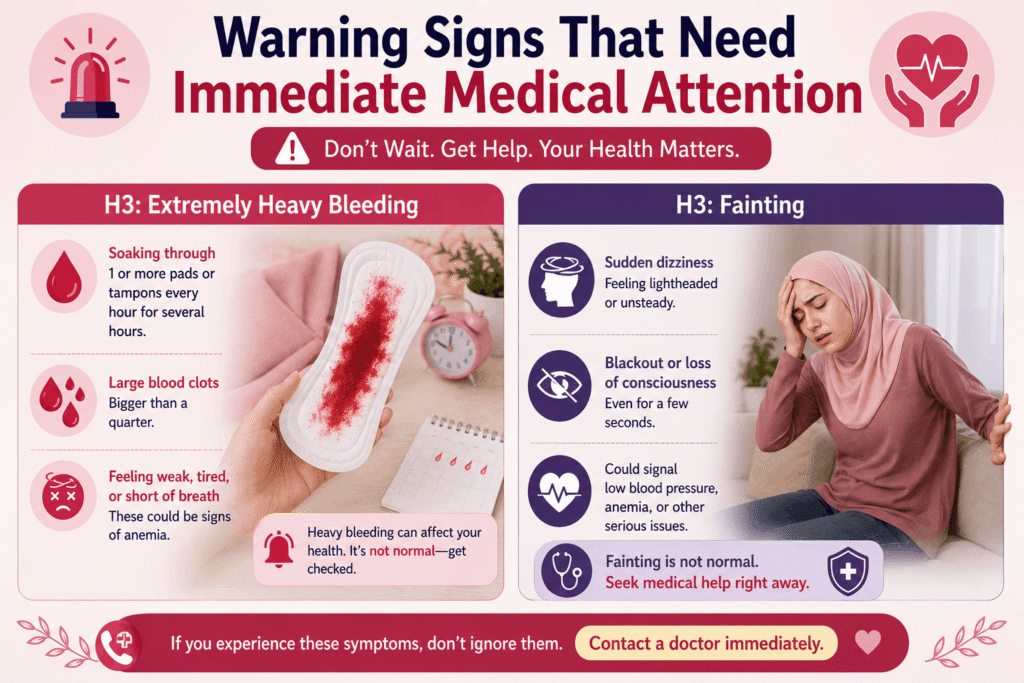
Fainting
Feeling lightheaded can occasionally occur during menstruation, especially if you have heavy bleeding. However, fainting or losing consciousness should never be ignored.
Seek emergency medical care if you:
- Faint during your period
- Feel unable to stay awake
- Experience severe dizziness that does not improve after resting
- Have chest pain, difficulty breathing, or a rapid heartbeat along with dizziness
Fainting may be related to significant blood loss, dehydration, low blood pressure, anemia, or another medical emergency that requires immediate assessment.
Severe Pelvic Pain
Mild to moderate menstrual cramps are common, but sudden or severe pelvic pain is not considered normal.
Contact a healthcare provider or seek urgent medical care if:
- The pain is sudden and intense.
- Pain prevents you from standing or walking.
- Pain does not improve with recommended medications or heat therapy.
- You have severe pain accompanied by vomiting, fever, or heavy bleeding.
Severe pelvic pain may be caused by conditions such as endometriosis, ovarian cysts, pelvic inflammatory disease (PID), ovarian torsion, ectopic pregnancy, or other conditions that require prompt medical attention.
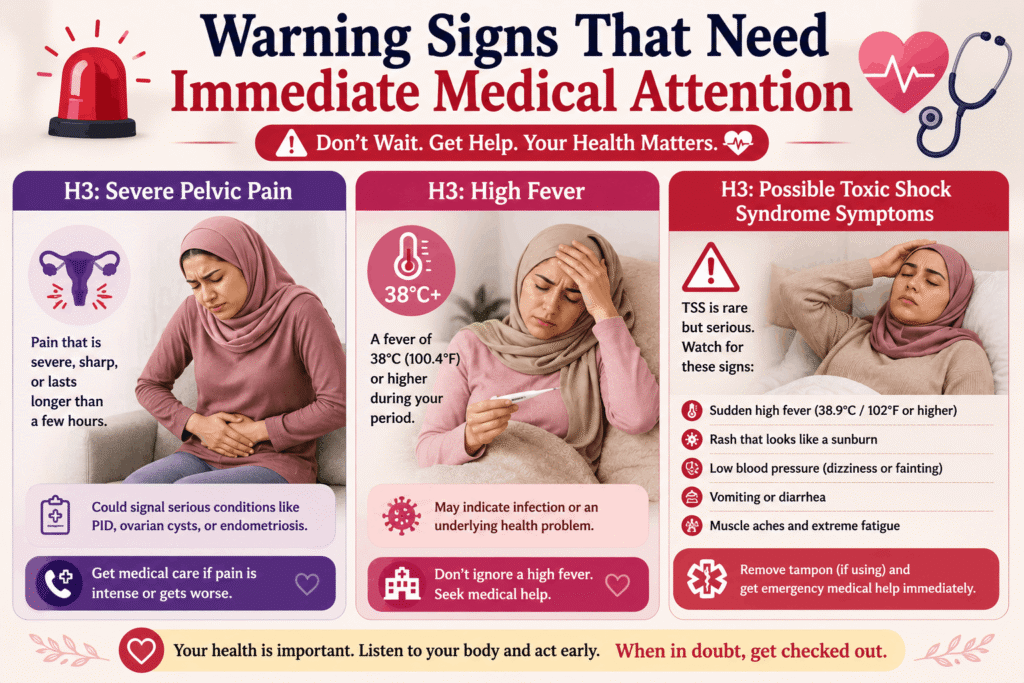
High Fever
A fever is not a typical symptom of menstruation.
Seek medical care if you develop:
- A temperature of 100.4°F (38°C) or higher during your period
- Chills
- Severe body aches
- Pelvic pain with fever
- Foul-smelling vaginal discharge
A fever may indicate an infection involving the reproductive or urinary tract. Early diagnosis and treatment can help prevent complications.
Possible Toxic Shock Syndrome Symptoms
Toxic Shock Syndrome (TSS) is a rare but serious bacterial illness that has been associated with tampon use and, less commonly, other internal menstrual products.
Seek emergency medical care immediately if you experience any of the following while using a tampon or shortly after removing one:
- Sudden high fever
- Vomiting or diarrhea
- A widespread rash that resembles a sunburn
- Dizziness or fainting
- Confusion
- Muscle aches
- Difficulty breathing
Although TSS is uncommon, early treatment is essential. To reduce your risk, use the lowest absorbency tampon needed, change tampons every 4 to 8 hours, and follow the manufacturer’s instructions carefully.
Quick Dos and Don’ts for Period Comfort
Simple daily habits can make a meaningful difference in how comfortable you feel during your period. These practical tips can help reduce discomfort and support overall menstrual health.
Things to Do
Experts commonly recommend the following healthy habits during menstruation:
- Stay hydrated by drinking water throughout the day.
- Eat balanced meals rich in fruits, vegetables, whole grains, and lean protein.
- Choose iron-rich foods if you have heavy menstrual bleeding.
- Get regular gentle exercise such as walking, stretching, or yoga.
- Use a heating pad or hot water bottle to relieve cramps.
- Change menstrual products at the recommended intervals.
- Wear breathable, comfortable clothing and underwear.
- Get 7–9 hours of quality sleep each night.
- Practice relaxation techniques such as deep breathing or mindfulness.
- Track your menstrual cycle and symptoms using a calendar or app.
- Contact your healthcare provider if symptoms become unusually severe or change suddenly.
These habits support both physical and emotional well-being throughout your menstrual cycle.
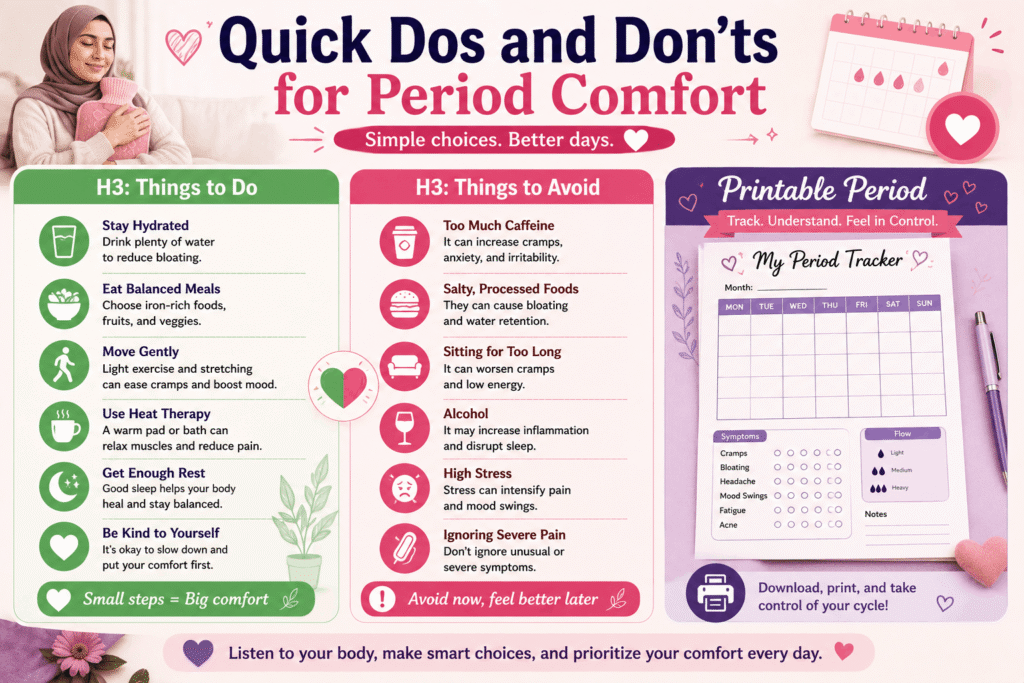
Things to Avoid
Some habits may make menstrual symptoms worse or increase the risk of irritation or infection.
Try to avoid:
- Wearing the same pad or tampon longer than recommended
- Ignoring severe pain or unusually heavy bleeding
- Douching or using harsh scented feminine hygiene products
- Smoking or vaping, as these may worsen circulation and overall health
- Excessive alcohol consumption
- Drinking excessive amounts of caffeinated beverages if they worsen your symptoms
- Skipping meals or becoming dehydrated
- Wearing tight, non-breathable clothing for long periods if it causes discomfort
- Overexerting yourself when you feel exhausted
Listening to your body and adjusting your routine when needed can help you recover more comfortably.
Printable Period Comfort Checklist
Having a simple checklist can make it easier to stay organized and prepared throughout your menstrual cycle. Consider printing or saving this list on your phone so you can refer to it whenever your period begins.
Daily Comfort Checklist
Use this checklist each day during your period:
- □ Drink plenty of water.
- □ Eat balanced meals and healthy snacks.
- □ Change your menstrual product as recommended.
- □ Wear clean, breathable underwear.
- □ Take a short walk or do gentle stretching if you feel able.
- □ Use heat therapy for cramps if needed.
- □ Practice deep breathing or another relaxation technique.
- □ Get enough rest.
- □ Track your symptoms and menstrual flow.
- □ Contact a healthcare provider if you notice severe or unusual symptoms.
Consistency with these habits may improve comfort throughout your menstrual cycle.
Period Emergency Kit Checklist
Keeping a small emergency kit at work, school, in your car, or in your handbag can help you feel prepared for unexpected situations.
Your kit may include:
- □ Pads or tampons in your preferred absorbency
- □ Panty liners
- □ A spare pair of underwear
- □ Period underwear (optional)
- □ Travel-size unscented wipes
- □ Hand sanitizer
- □ A small resealable bag for disposal or storage
- □ Pain-relief medication (only if approved by your healthcare provider)
- □ Portable heating patch or heating pad
- □ Water bottle
- □ Healthy snack such as nuts or a granola bar
Having these essentials nearby can reduce stress if your period starts unexpectedly.
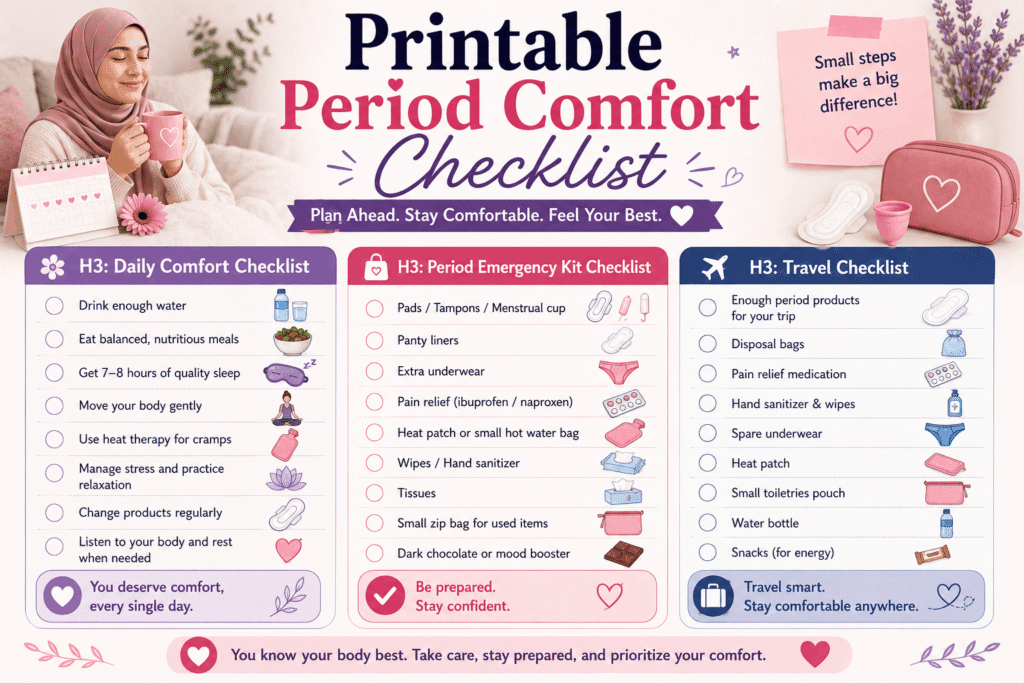
Travel Checklist
Whether you’re commuting, taking a road trip, or flying, planning ahead can make traveling during your period much easier.
Before leaving home, remember to pack:
- □ Enough menstrual products for your entire trip, plus extras
- □ Any prescription medications or recommended pain relievers
- □ Reusable water bottle
- □ Comfortable, breathable clothing
- □ Spare underwear
- □ Travel-size hygiene supplies
- □ Portable heating patch or heating belt
- □ Plastic or reusable storage bags if using reusable menstrual products
- □ Hand sanitizer
- □ Healthy snacks to help maintain energy
If you are traveling internationally, research suggests bringing familiar menstrual products from home, as brands and product availability may vary by country.
Planning ahead allows you to focus on enjoying your trip while feeling confident and comfortable throughout your period.
Key Takeaways
Understanding your menstrual cycle and caring for your body can make a meaningful difference in how you experience your period. While mild discomfort is common, your period should not regularly prevent you from working, attending school, exercising, or enjoying daily life. The right combination of menstrual products, healthy lifestyle habits, and evidence-based pain relief strategies can help improve comfort and support your overall well-being.
Remember that every woman’s menstrual cycle is unique. What works well for one person may not work as well for another, so it may take some time to find the self-care routine and menstrual products that best suit your body and lifestyle
Most Important Period Comfort Tips
A few simple, evidence-based practices can help make your period more comfortable each month.
Keep these key tips in mind:
- Choose menstrual products that match your flow, comfort level, and daily activities.
- Change pads, tampons, menstrual cups, and other products according to the manufacturer’s instructions to maintain hygiene and reduce the risk of irritation or infection.
- Stay hydrated and eat balanced meals rich in whole grains, fruits, vegetables, lean protein, and healthy fats.
- Use heat therapy, such as a heating pad or hot water bottle, to help relieve menstrual cramps.
- Stay active with gentle exercises like walking, stretching, or yoga if you feel well enough.
- Aim for 7–9 hours of quality sleep each night to support recovery and hormone regulation.
- Practice stress-management techniques such as deep breathing, mindfulness, or meditation.
- Track your menstrual cycle and symptoms so you can recognize patterns and notice any significant changes.
- Listen to your body and allow yourself time to rest when needed.
Research suggests that combining healthy lifestyle habits with appropriate self-care can help reduce the impact of common menstrual symptoms for many women.
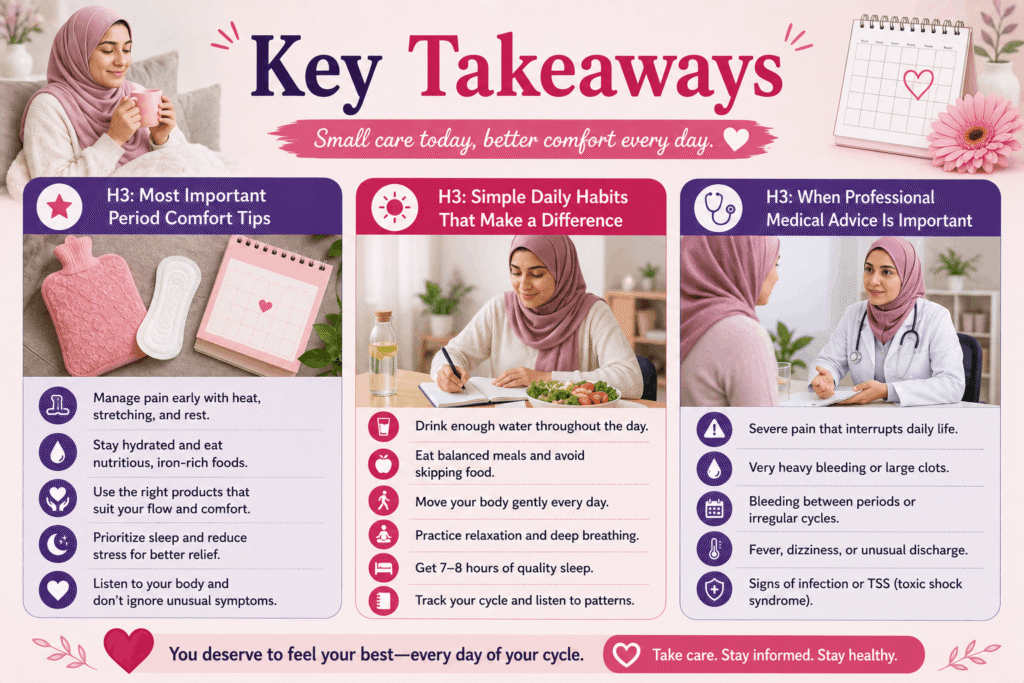
Simple Daily Habits That Make a Difference
Small daily choices often have the greatest impact on menstrual comfort over time.
Helpful habits include:
- Drinking enough water throughout the day.
- Eating regular, nutritious meals instead of skipping food.
- Changing menstrual products before they become saturated.
- Wearing breathable, comfortable clothing and underwear.
- Taking short movement breaks if you sit for long periods.
- Spending a few minutes stretching or walking each day.
- Limiting excessive caffeine and alcohol if they worsen your symptoms.
- Following a consistent bedtime routine to improve sleep quality.
- Making time for activities that reduce stress and support emotional well-being.
These healthy habits not only improve comfort during your period but also support your overall reproductive and general health throughout the month.
When Professional Medical Advice Is Important
Although many menstrual symptoms can be managed at home, some require evaluation by a healthcare professional. Seeking medical advice early can help identify underlying conditions and ensure you receive appropriate treatment.
Schedule an appointment with a healthcare provider if you experience:
- Severe menstrual pain that interferes with daily activities.
- Heavy bleeding that soaks through one pad or tampon every hour for two or more consecutive hours.
- Menstrual periods lasting longer than seven days on a regular basis.
- Bleeding between periods or after sexual intercourse.
- Frequent missed or highly irregular periods that are not related to pregnancy, puberty, or menopause.
- Symptoms of iron-deficiency anemia, such as persistent fatigue, dizziness, or shortness of breath.
- Emotional symptoms, including severe anxiety or depression, that significantly affect your quality of life.
- Sudden changes in your menstrual cycle that are unusual for you.
Seek immediate emergency medical care if you experience symptoms such as sudden severe pelvic pain, extremely heavy bleeding with fainting or signs of shock, a high fever during your period, or possible Toxic Shock Syndrome (TSS) symptoms—including a sudden high fever, rash, vomiting, dizziness, confusion, or difficulty breathing while using a tampon or another internal menstrual product.
According to trusted organizations such as the American College of Obstetricians and Gynecologists (ACOG), the World Health Organization (WHO), and the National Health Service (NHS), understanding what is normal for your body, practicing healthy menstrual habits, and seeking medical care when symptoms become severe are key steps toward maintaining lifelong menstrual and reproductive health.
Leave a Reply