Introduction
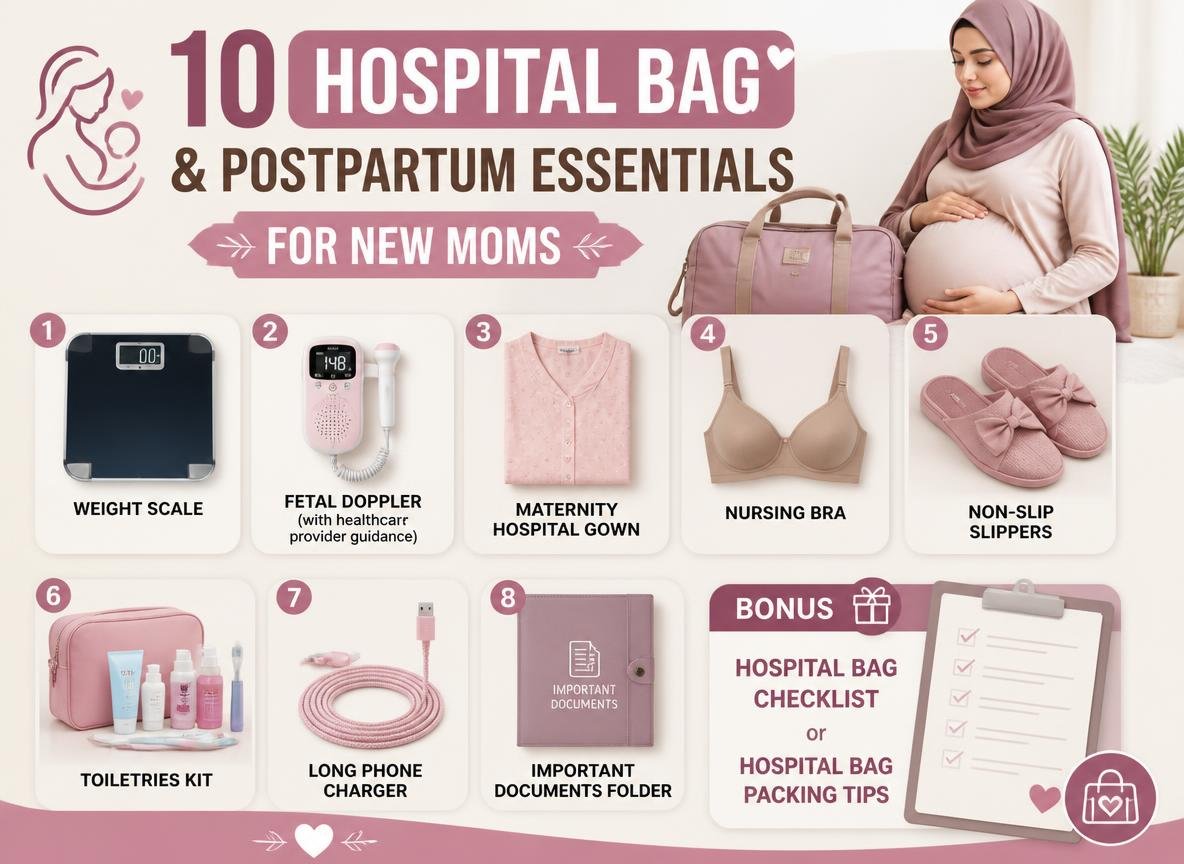
As your due date approaches, packing your hospital bag is an important step in preparing for labor, delivery, and the first days after birth. Having the right essentials ready ahead of time can help reduce stress and make your hospital stay more comfortable.
In Part 4 of our Pregnancy Essentials Series, you’ll find practical products that support your hospital stay and early postpartum recovery. This guide also includes tips for choosing useful essentials, preparing your hospital bag, and packing with confidence.
The recommendations are based on guidance from trusted organizations, including the American College of Obstetricians and Gynecologists (ACOG), the World Health Organization (WHO), and the National Health Service (NHS). Because every pregnancy and hospital is different, always follow your healthcare provider’s advice and your hospital’s policies when preparing for childbirth.
This introduction aligns with your table of contents, is easy to read, and naturally leads into “Why Packing the Right Hospital Bag Matters.”
Table of Contents
Why Packing the Right Hospital Bag Matters
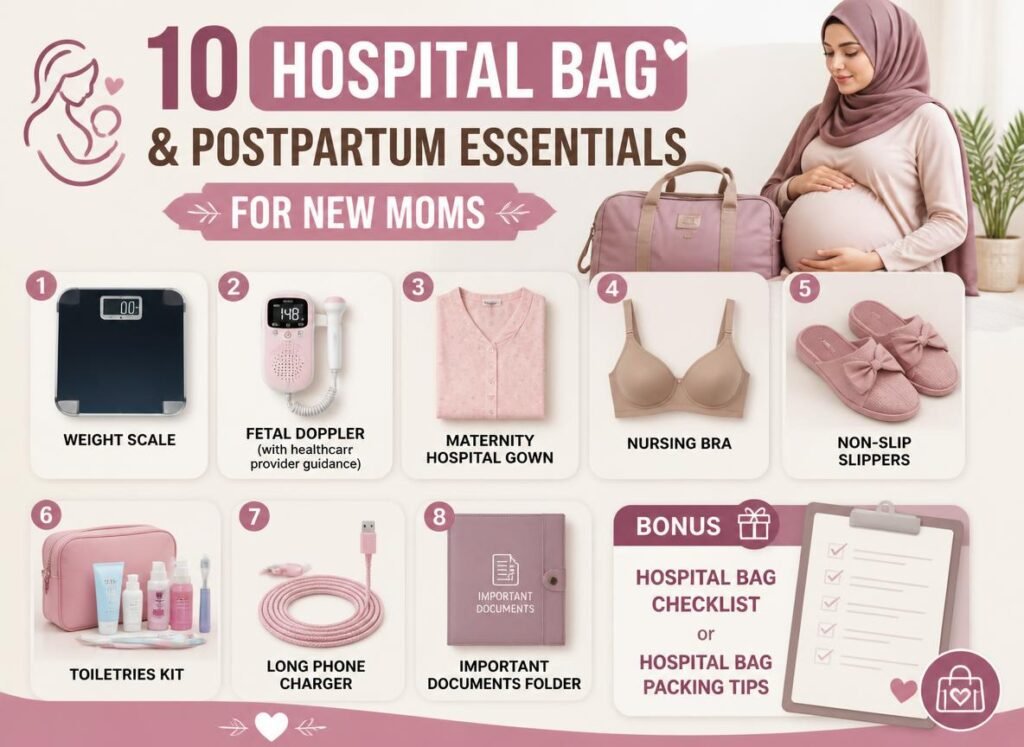
Packing your hospital bag before your due date can help reduce last-minute stress and ensure you have the essentials for labor, recovery, and your baby’s arrival. While hospitals provide many basic supplies, bringing your own comfort items and personal necessities can make your stay more comfortable and organized.
How We Chose These Hospital Bag Essentials
We selected these essentials based on comfort, practicality, safety, and everyday usefulness for labor, postpartum recovery, and your hospital stay. The recommendations are informed by guidance from trusted organizations, including ACOG, WHO, and the NHS, along with commonly recommended items for expectant mothers.
Part of Our Pregnancy Essentials Series
- Part 1: 10 First Trimester Pregnancy Essentials You Should Buy
- Part 2: 10 Pregnancy Nutrition and Maternity Clothing Essentials
- Part 3: 10 Pregnancy Comfort, Skincare, and Fitness Products
10 Pregnancy Health Monitoring Products Every Mom Needs
1. Weight Scale
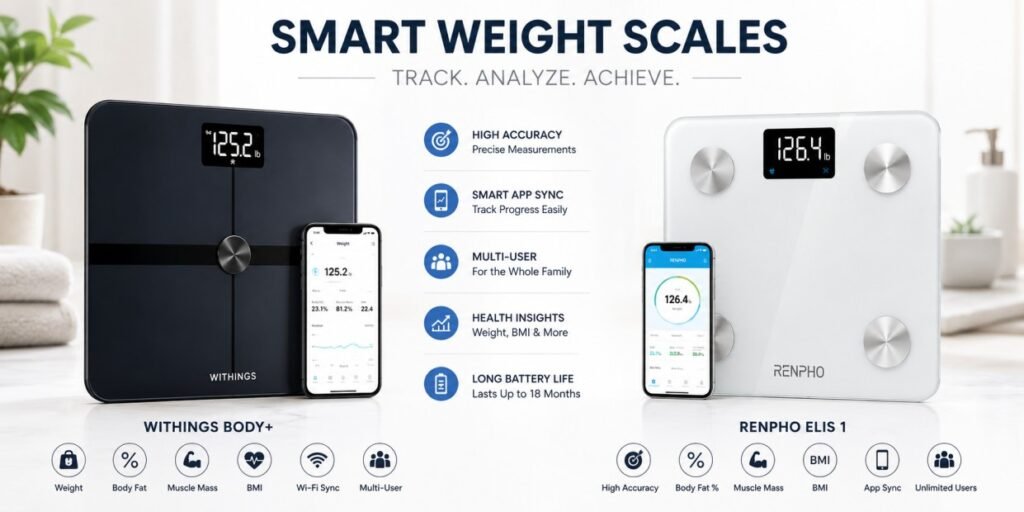
A digital weight scale can be a helpful tool before and after delivery when used as part of your overall healthcare plan. Some healthcare providers may recommend monitoring weight during pregnancy or postpartum, particularly if there are specific medical considerations.
Why It Matters
Tracking weight can provide useful information about overall health when interpreted by your healthcare provider. However, healthy weight changes vary throughout pregnancy and after childbirth, so numbers should always be considered in the context of your individual situation.
Key Benefits
- Allows convenient weight monitoring at home.
- Helps track long-term trends when recommended.
- Easy to use with digital displays.
- Can continue to be useful after pregnancy.
How to Choose Safely
When choosing a weight scale:
- Select a digital model with a clear display.
- Choose a non-slip platform.
- Look for reliable accuracy and consistent readings.
- Purchase from a reputable manufacturer.
Practical Tips
- Weigh yourself at the same time of day for consistency.
- Place the scale on a hard, level floor.
- Record measurements only if recommended by your healthcare provider.
Important Safety Considerations
Avoid focusing too much on day-to-day weight changes. Always discuss concerns about pregnancy or postpartum weight with your healthcare provider rather than relying solely on home measurements.
2. Fetal Doppler (Use Only with Healthcare Provider Guidance)
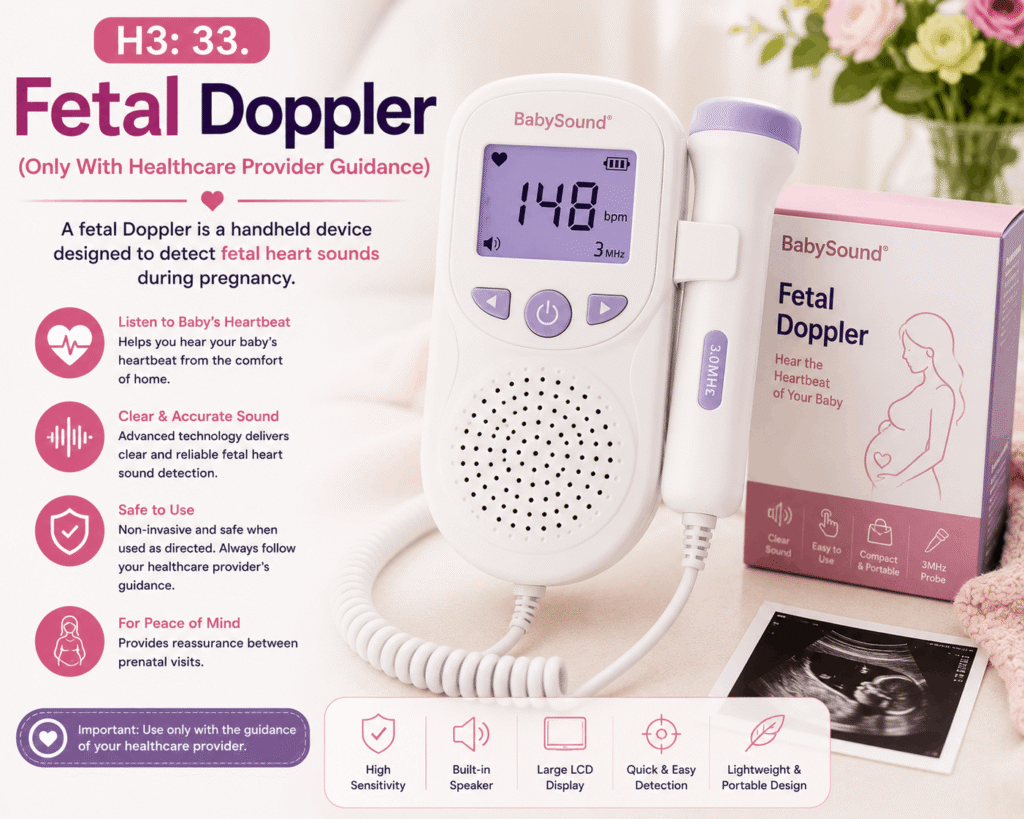
A fetal Doppler is a handheld device designed to detect fetal heart sounds during pregnancy. Although these devices are available for home use, they should only be used under the guidance of a qualified healthcare provider.
Why It Matters
Some parents consider using a fetal Doppler for reassurance between prenatal appointments. However, home Dopplers should never replace routine prenatal care or medical evaluation if you have concerns about your pregnancy.
Key Benefits
- May allow fetal heart sounds to be heard under professional guidance.
- Can support discussions with your healthcare provider.
- Portable and easy to operate when used correctly.
How to Choose Safely
If your healthcare provider recommends a home Doppler:
- Purchase from a reputable medical supplier.
- Follow the manufacturer’s instructions carefully.
- Use only as directed by your healthcare provider.
Practical Tips
- Understand that finding the heartbeat may be difficult, especially early in pregnancy.
- Continue attending all scheduled prenatal appointments.
- Contact your healthcare provider if you notice reduced fetal movement or have concerns, even if you detect heart sounds at home.
Important Safety Considerations
A home fetal Doppler must never be used to decide whether medical care is needed. If you experience bleeding, severe pain, reduced fetal movement, or any other concerning symptoms, seek medical advice immediately rather than relying on a Doppler.
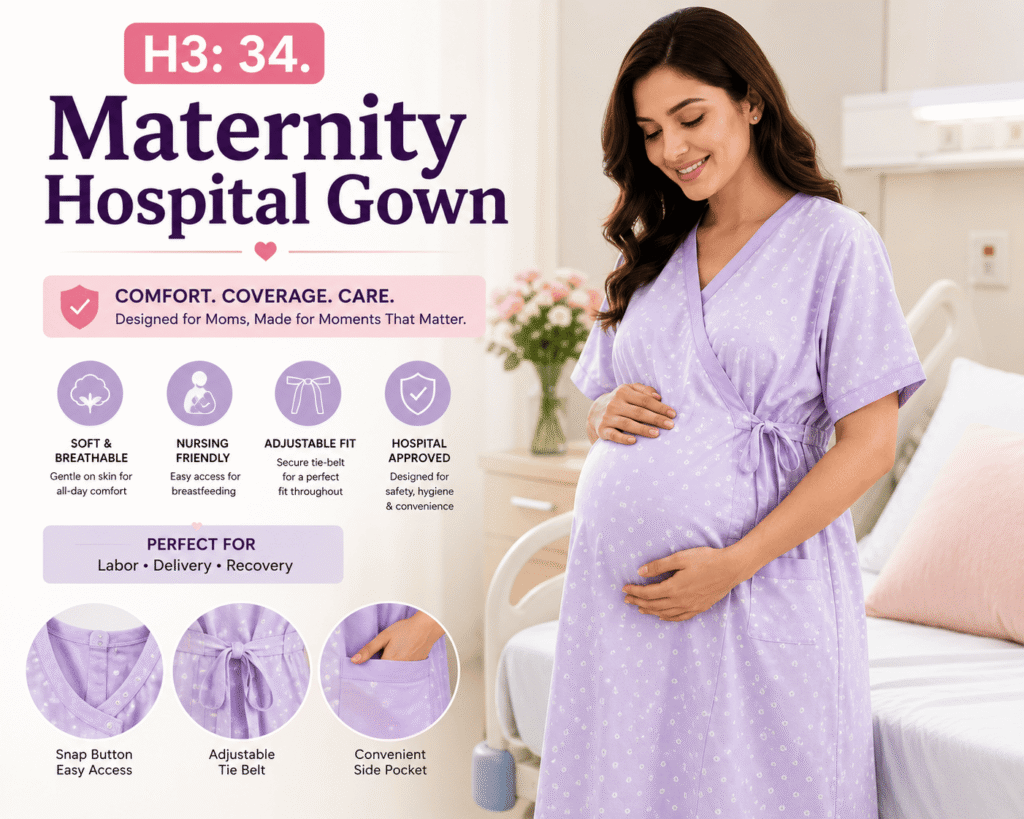
3. Maternity Hospital Gown
A maternity hospital gown is designed to provide comfort during labor, delivery, and the postpartum period. Many mothers choose to bring their own gown because it offers a softer fabric, better fit, and more coverage than standard hospital gowns.
Why It Matters
Comfort is especially important during labor and recovery. A well-designed maternity gown allows easy access for medical examinations, fetal monitoring, breastfeeding, and skin-to-skin contact while helping you feel more comfortable.
Key Benefits
- Soft, comfortable fabric.
- Easy access for medical care and breastfeeding.
- More coverage than many standard hospital gowns.
- Available in different sizes and styles.
- Can also be worn during postpartum recovery.
How to Choose Safely
Choose a gown that:
- Opens easily at the front or shoulders.
- Is made from breathable fabric.
- Is machine washable.
- Fits comfortably without feeling restrictive.
Practical Tips
- Pack at least one extra gown if possible.
- Wash it before your due date.
- Choose a dark color or pattern if preferred for practical use.
Important Safety Considerations
Always follow your hospital’s policies, as you may be asked to wear a hospital-issued gown during certain procedures.
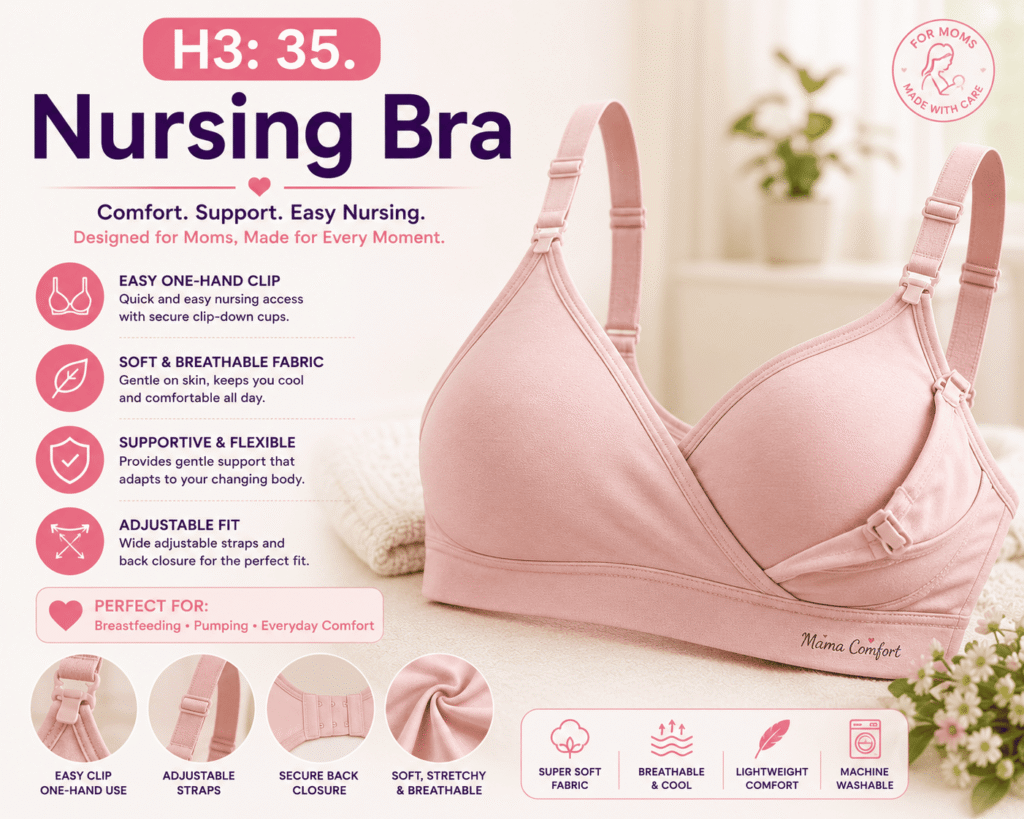
4. Nursing Bra
A nursing bra is specially designed to provide support while allowing quick access for breastfeeding or expressing milk after your baby is born.
Why It Matters
Breast size often changes during late pregnancy and after delivery. A supportive nursing bra helps improve comfort while making feeding more convenient during your hospital stay and beyond.
Key Benefits
- Comfortable support during breastfeeding.
- Easy one-handed nursing clips.
- Adjustable fit as your body changes.
- Soft fabrics help reduce irritation.
- Suitable for both daytime and nighttime use.
How to Choose Safely
Look for nursing bras that:
- Fit comfortably without tight compression.
- Have adjustable straps and multiple hook settings.
- Are made from breathable, soft materials.
- Offer adequate support without uncomfortable underwires.
Practical Tips
- Pack two nursing bras in your hospital bag.
- Consider being professionally measured during late pregnancy.
- Wash bras according to the manufacturer’s instructions.
Important Safety Considerations
A nursing bra should feel supportive but never restrict circulation or cause discomfort. If you experience breast pain, redness, or fever after delivery, contact your healthcare provider.
5. Non-Slip Slippers
Non-slip slippers are a simple but important addition to your hospital bag. They provide comfort while walking around your hospital room and help reduce the risk of slipping on smooth hospital floors.

Why It Matters
After childbirth, you may feel tired or unsteady while walking. Wearing slippers with non-slip soles can improve stability and make moving around more comfortable during your recovery.
Key Benefits
- Helps reduce the risk of slipping.
- Comfortable for walking around the maternity ward.
- Keeps your feet warm.
- Easy to slip on and off.
- Lightweight and easy to pack.
How to Choose Safely
Choose slippers that:
- Have non-slip rubber soles.
- Fit securely without being too loose.
- Are lightweight and breathable.
- Can be cleaned easily if needed.
Practical Tips
- Pack slippers in an easily accessible part of your hospital bag.
- Wear clean socks with your slippers for additional comfort.
- Choose a pair that’s easy to put on without bending too much.
Important Safety Considerations
Avoid walking barefoot in the hospital whenever possible. If your slippers become wet or damaged, replace them to help maintain good traction and reduce the risk of falls.
6. Toiletries Kit
A well-stocked toiletries kit can make your hospital stay more comfortable and help you feel refreshed after labor and delivery. While hospitals usually provide basic hygiene items, bringing your favorite personal care products can add convenience and familiarity during your recovery.

Why It Matters
After childbirth, simple routines like brushing your teeth, washing your face, or applying lip balm can help you feel more comfortable and refreshed. Packing your own toiletries also ensures you have products that suit your skin and personal preferences.
Key Benefits
- Keeps personal hygiene products organized
- Provides familiar comfort during your hospital stay
- Keeps your everyday essentials organized and easy to find.
- Easy to pack and carry
- Useful for both labor and postpartum recovery
How to Choose Safely
Pack travel-sized products whenever possible, including:
- Toothbrush and toothpaste
- Hairbrush or comb
- Shampoo and conditioner
- Body wash or soap
- Face cleanser and moisturizer
- Lip balm
- Deodorant
- Hair ties
- Tissues
Practical Tips
- Use a waterproof toiletry bag with separate compartments.
- Replace empty or expired products before your due date.
- Keep your toiletries near the top of your hospital bag for easy access.
Important Safety Considerations
Choose gentle, fragrance-free products if your skin becomes more sensitive during pregnancy or after delivery.
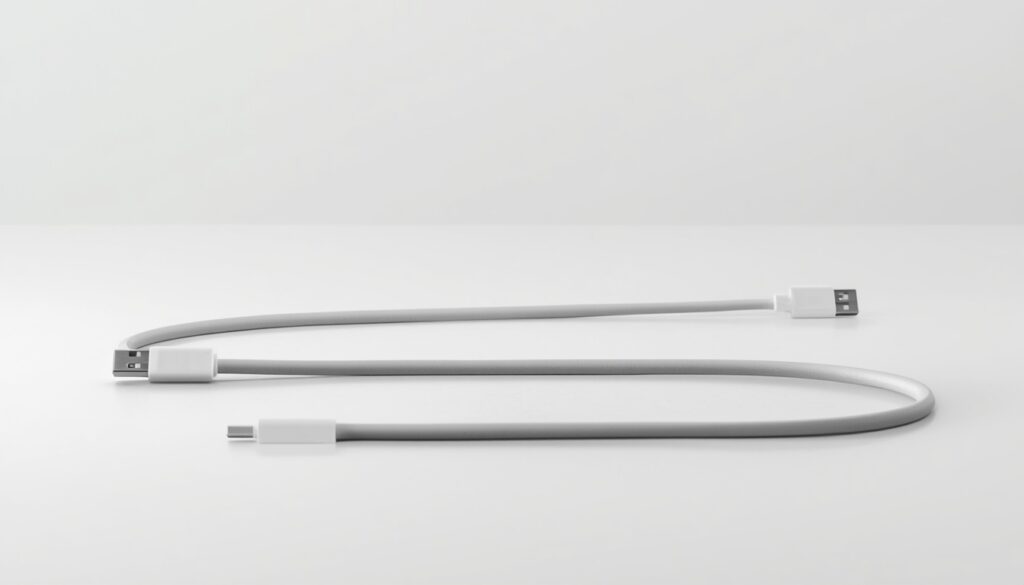
7. Long Phone Charger
A long phone charger is a small item that can make a big difference during your hospital stay. Hospital outlets are often located far from the bed, making a longer charging cable much more convenient.
Why It Matters
Your phone may be used to contact family, take photos, track contractions, listen to music, or access important health information. Keeping it charged helps you stay connected throughout labor and recovery.
Key Benefits
- Keeps your phone charged during long hospital stays
- Makes it easier to reach your device from the bed
- Useful for photos, communication, and entertainment
- Lightweight and easy to pack
How to Choose Safely
Choose a charger that:
- Is compatible with your device.
- Is at least 6–10 feet (2–3 meters) long.
- Comes from a trusted manufacturer.
- Is in good working condition.
Practical Tips
- Pack a wall adapter along with the charging cable.
- Charge your phone fully before leaving for the hospital.
- Pack a portable power bank so you have a backup source of battery power if needed.
Important Safety Considerations
Avoid placing charging cables where they could create a tripping hazard for you, your visitors, or hospital staff.
8. Important Documents Folder
Store all of your important documents in one folder so they are easy to access during hospital check-in. Having documents organized can reduce stress during labor and make it easier to provide information when needed.
Why It Matters
Hospitals often request identification, insurance information, and pregnancy-related records during admission. Having everything prepared in advance can save valuable time.
Key Benefits
- Keeps documents organized and protected
- Speeds up hospital check-in
- Reduces last-minute stress
- Prevents important paperwork from being misplaced
How to Choose Safely
Use a waterproof or zippered folder and include:
- Photo identification
- Health insurance information (if applicable)
- Hospital registration paperwork
- Birth plan (if you have one)
- List of current medications
- Emergency contact information
- Copies of important medical records if requested
Practical Tips
- Double-check your documents a few weeks before your due date.
- Keep the folder in an easy-to-reach section of your hospital bag.
- Ask your hospital if they require any additional paperwork.
Important Safety Considerations
Store personal information securely and avoid leaving important documents unattended.
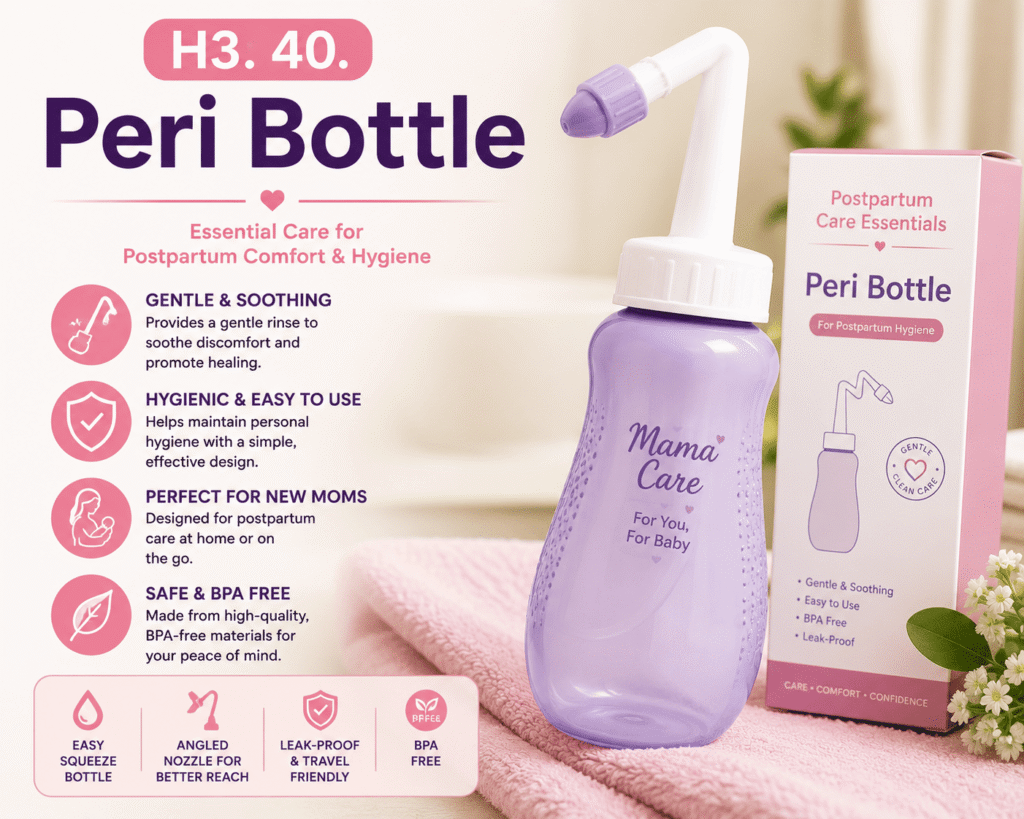
9. Peri Bottle
A peri bottle is a handheld squeeze bottle used to gently rinse the perineal area with warm water after childbirth. It is commonly recommended to improve comfort and support personal hygiene during postpartum recovery.
Why It Matters
After a vaginal birth, the perineal area may feel sore or tender. A peri bottle provides a gentle alternative to wiping, helping many new mothers feel more comfortable while keeping the area clean.
Key Benefits
- Supports gentle postpartum hygiene
- May improve comfort after childbirth
- Easy to use with warm water
- Lightweight and convenient for home or hospital use
How to Choose Safely
Look for a peri bottle that:
- Has an angled nozzle for easier use.
- Is easy to squeeze.
- Holds enough water for comfortable rinsing.
- Is made from BPA-free materials.
Practical Tips
- Fill the bottle with warm water before use.
- Clean the bottle thoroughly after each use.
- Follow your healthcare provider’s postpartum care instructions.
Important Safety Considerations
If you notice increasing pain, heavy bleeding, unusual discharge, fever, or signs of infection after childbirth, contact your healthcare provider promptly.
10. Hospital Bag Checklist and Packing Tips
Preparing your hospital bag before your due date can help you feel ready and reduce last-minute stress when labor starts. Having everything organized allows you to focus on your baby’s arrival rather than gathering supplies at the last minute.
When Should You Pack Your Hospital Bag?
Many healthcare providers recommend packing your hospital bag by 36 weeks of pregnancy. If you have a high-risk pregnancy or are expecting multiples, your provider may recommend preparing even earlier.
Essential Items for Mom
Consider packing:
- Comfortable maternity hospital gown
- Nursing bras
- Non-slip slippers
- Comfortable underwear
- Toiletries kit
- Phone and long charger
- Lip balm
- Hair ties
- Snacks (if permitted by your hospital)
- Going-home outfit
Essential Items for Baby
Pack items such as:
- Infant car seat (installed before discharge)
- Going-home outfit
- Baby blanket (if desired)
- Newborn hat and mittens
- Baby socks
- Approved baby clothing appropriate for the weather
Always check with your hospital, as many newborn supplies are provided during your stay.
Important Documents to Bring
Keep these items together in one folder:
- Government-issued photo ID
- Health insurance card (if applicable)
- Hospital registration documents
- Birth plan (optional)
- Medication list
- Emergency contact information
Last-Minute Hospital Bag Tips
- Keep your bag near the front door or in your car.
- Double-check phone chargers and important documents.
- Wash baby clothes before packing.
- Review your hospital’s packing recommendations.
- Make sure your birth partner knows the location of your packed hospital bag before labor begins.
When should I pack my hospital bag?
Most healthcare providers recommend having your hospital bag packed by 36 weeks of pregnancy. If you’re expecting twins or have a high-risk pregnancy, your provider may suggest packing earlier.
What documents should I bring to the hospital?
Bring your photo ID, health insurance card (if applicable), hospital registration paperwork, birth plan if you have one, a list of medications, and emergency contact information. Check with your hospital for any additional requirements.
Do hospitals provide postpartum recovery supplies?
Many hospitals provide basic postpartum supplies such as maternity pads, disposable underwear, peri bottles, and newborn care items. However, what is provided varies by hospital, so it’s a good idea to ask in advance and bring any personal items you’d prefer to use.
Is a nursing bra necessary for the hospital?
While not required, a nursing bra can provide extra comfort and make breastfeeding or expressing milk more convenient during your hospital stay and after returning home.
What is a peri bottle used for after childbirth?
A peri bottle is used to gently rinse the perineal area with warm water after using the bathroom. It helps keep the area clean and may improve comfort during postpartum recovery, especially after a vaginal birth.
Should I bring my own hospital gown?
Many hospitals provide gowns, but some mothers prefer bringing their own maternity hospital gown for added comfort, better fit, and easier breastfeeding access. Check your hospital’s policies before your admission.
Is it safe to use a fetal Doppler at home?
Home fetal Dopplers should only be used under the guidance of a healthcare provider. They should never replace prenatal appointments or be used to determine whether medical care is needed if you have concerns about your pregnancy.
What should my birth partner pack?
Your birth partner may want to pack comfortable clothing, toiletries, snacks, a reusable water bottle, medications, a phone charger, entertainment, and any items needed for an overnight stay, depending on your hospital’s policies.
Final Thoughts
Preparing your hospital bag essentials in advance is one of the simplest ways to feel more organized and confident before labor begins. Packing practical items for labor, postpartum recovery, breastfeeding, and your baby’s first days can make your hospital stay more comfortable and less stressful.
Remember that every pregnancy and birth experience is unique. Your hospital may provide many basic supplies, while some personal comfort items are best brought from home. Before packing, review your hospital’s recommendations and discuss any specific needs with your healthcare provider.
Most importantly, your hospital bag is only one part of preparing for your baby’s arrival. Regular prenatal care, a healthy lifestyle, and open communication with your healthcare team remain the foundation of a safe pregnancy, labor, and postpartum recovery. With thoughtful planning and the right essentials, you’ll be better prepared to welcome your new baby with confidence.
Leave a Reply