Introduction
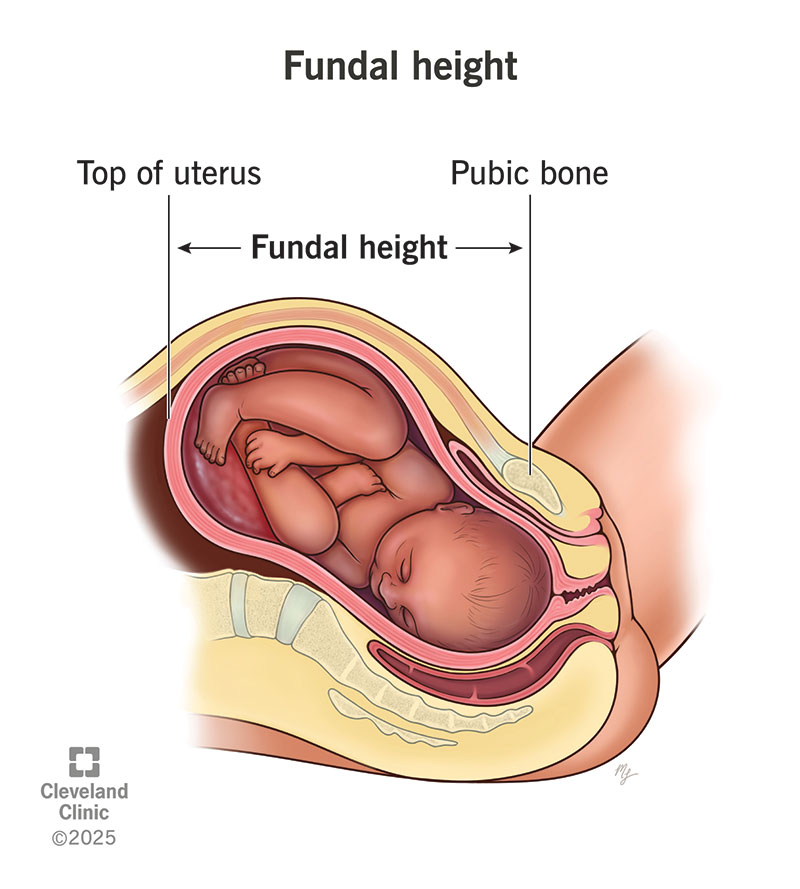
Uterine size measurement is a routine and essential part of antenatal care. Health professionals usually assess uterine size by measuring the fundal height, which is the distance from the top of the uterus to the pubic bone.
Table of Contents
This measurement helps estimate whether the uterus is growing appropriately according to the weeks of pregnancy. In a normal pregnancy, uterine size increases steadily as the baby grows and develops.
Baby position matters greatly in pregnancy because the way the baby lies inside the uterus directly affects uterine shape, size, and examination findings.
When the baby is in the normal head-down position, uterine growth and abdominal findings are usually consistent with the stage of pregnancy.
When to go to hospital during pregnancy
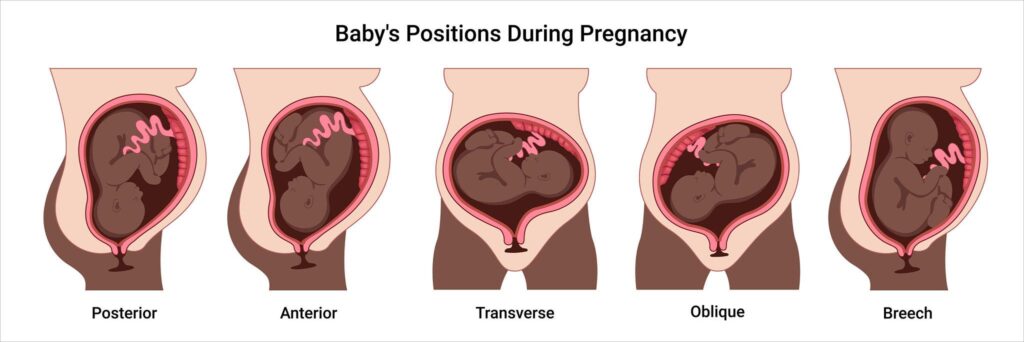
However, if the baby is lying sideways, breech, or in another abnormal position, the uterine size may appear larger or smaller than expected, and baby parts may be difficult to feel during abdominal examination.
Incorrect baby position can also increase the risk of complications during labor and delivery.
Early detection of a mismatch between uterine size and baby position is very important. Identifying this problem early allows timely referral, closer monitoring, and proper planning for delivery at a health center
. Early detection also helps prevent complications such as prolonged labor, obstructed delivery, and fetal distress.
Regular antenatal checkups, careful abdominal examination, and attention to warning signs like reduced fetal movement play a key role in ensuring the safety of both the mother and the baby.
What Is Uterine Size in Pregnancy?
Uterine size refers to the growth of the uterus as pregnancy progresses. It reflects the baby’s growth, the amount of amniotic fluid, and the baby’s position inside the womb.
Monitoring uterine size during pregnancy helps health workers identify whether the pregnancy is progressing normally or if there may be a problem that requires further evaluation.
How Doctors Measure Fundal Height
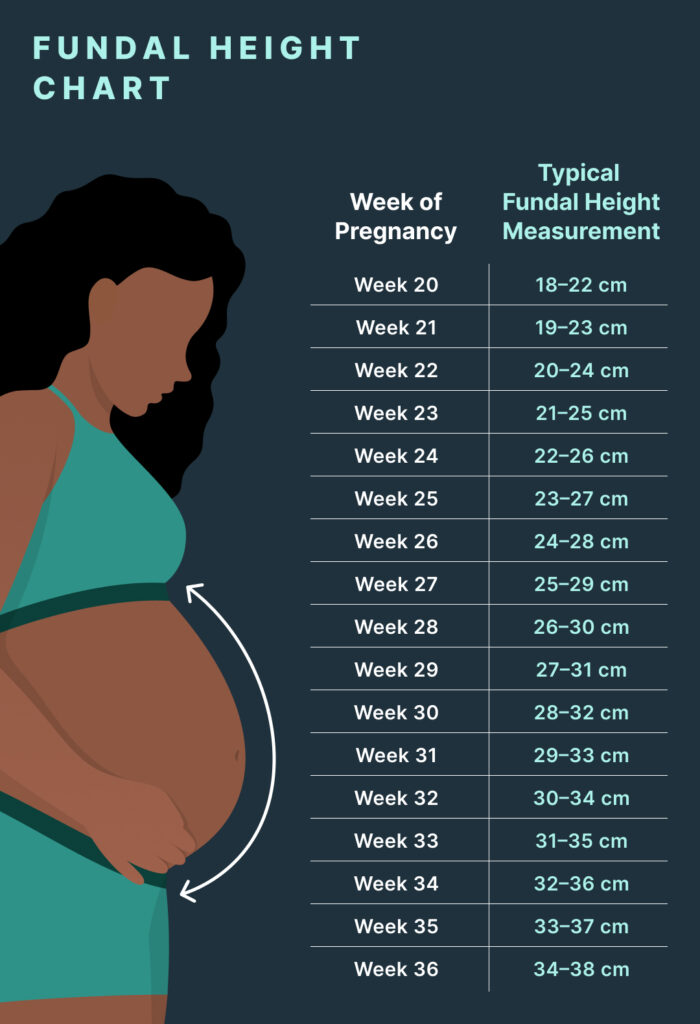
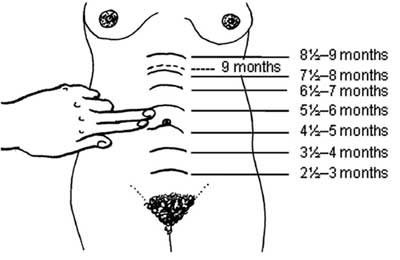
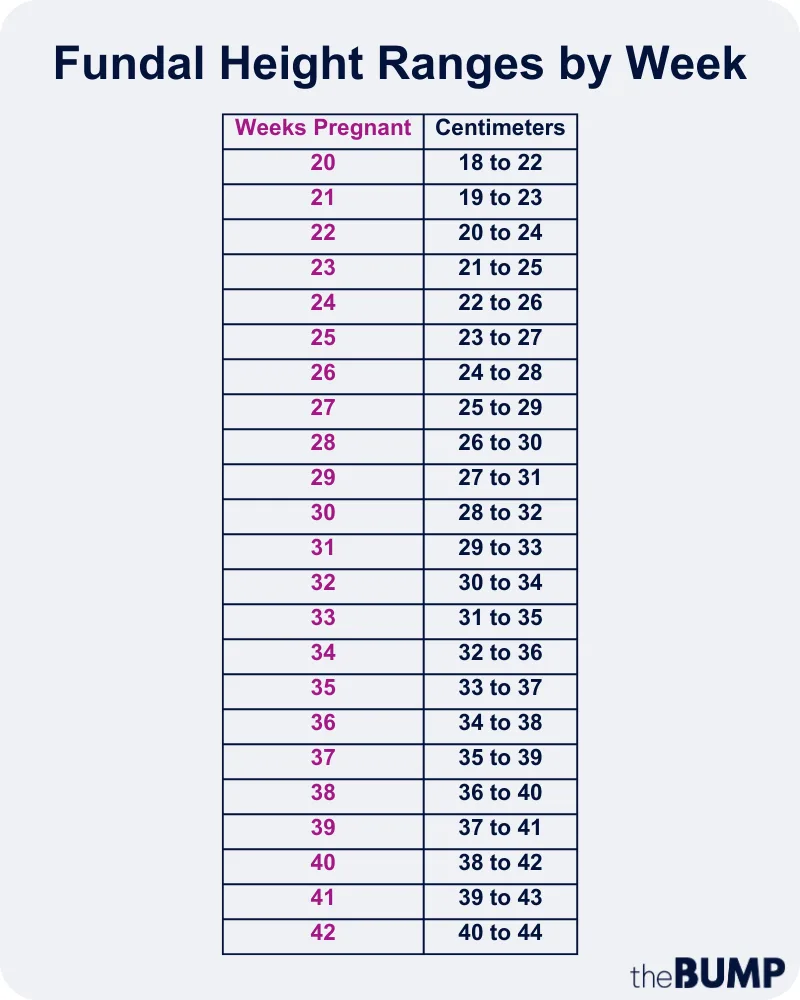
Doctors and trained health workers measure uterine size by checking the fundal height. This is done by placing a measuring tape from the top of the pubic bone to the highest point of the uterus (the fundus).
The measurement is recorded in centimeters and usually corresponds closely to the number of weeks of pregnancy after 20 weeks. Fundal height measurement is a simple, painless, and effective way to assess fetal growth and baby position during routine antenatal visits.
Normal Uterine Growth by Trimester
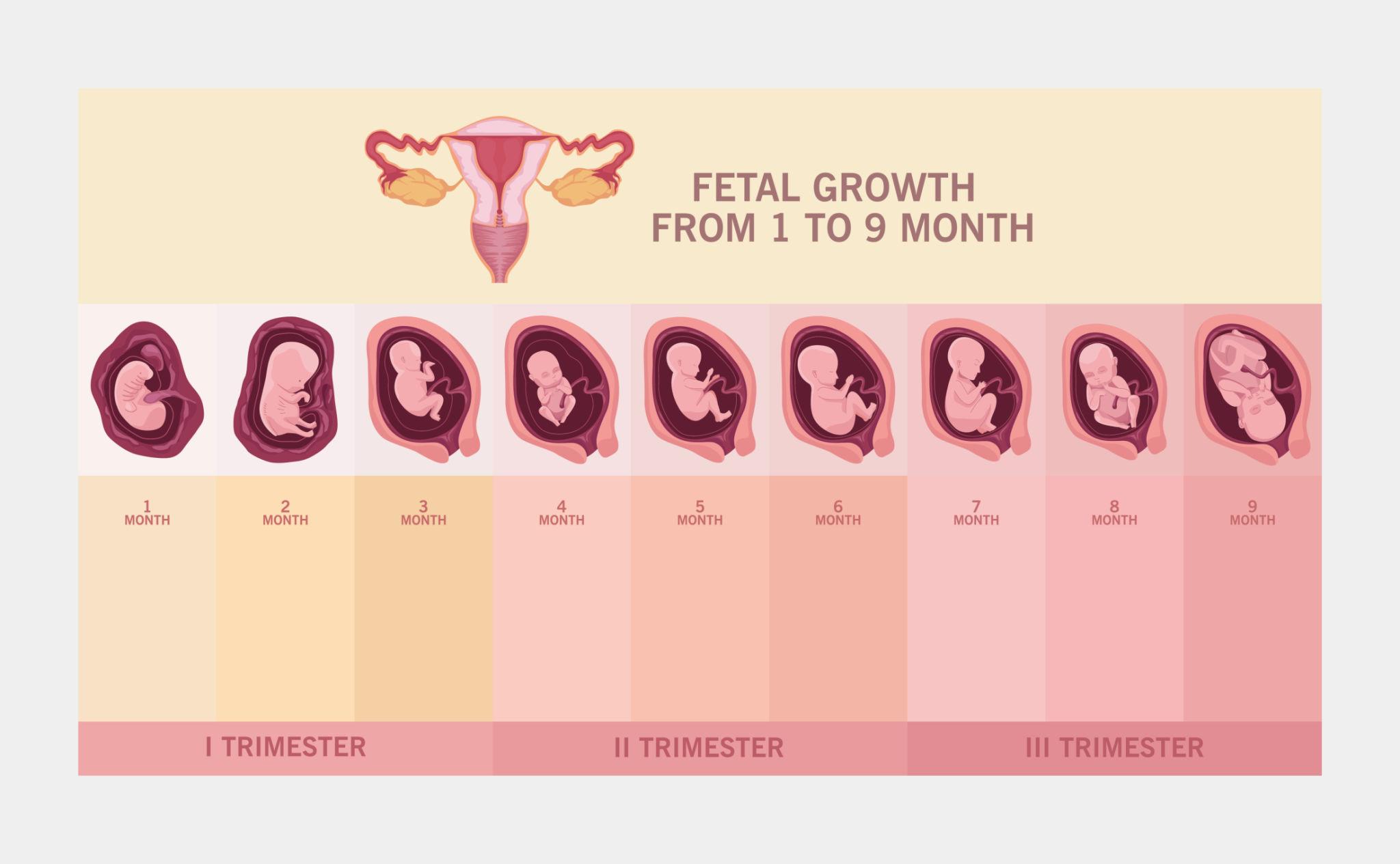
In early pregnancy, the uterus remains small and stays within the pelvis, so uterine size cannot be felt through the abdomen. By the second trimester, the uterus begins to rise into the abdomen and becomes easier to measure.
From about 20 weeks onward, uterine size generally increases in a predictable pattern, with fundal height closely matching the gestational age. During the third trimester, uterine growth continues steadily as the baby gains weight and prepares for birth.
When Uterine Size Is Considered Abnormal
Uterine size is considered abnormal when fundal height does not match the expected weeks of pregnancy. If the uterus measures smaller than expected, it may indicate poor fetal growth, reduced amniotic fluid, or an incorrect baby position.
In What Situations Pregnancy Becomes Difficult for Women
If the uterus measures larger than expected, it may be due to excessive amniotic fluid, multiple pregnancy, or an abnormal baby position such as transverse lie or breech. In such cases, further examination and referral to a health center are important to ensure the health and safety of both mother and baby.
Signs of a baby in the wrong position during pregnancy
What Does It Mean When Uterine Size Does Not Match Baby Position?
When uterine size does not match baby position, it means that the size or shape of the uterus felt during abdominal examination does not correspond with the expected stage of pregnancy because the baby is not lying in the usual head-down position.
Normally, uterine size increases in a regular pattern as pregnancy advances. If this pattern is disturbed, it may suggest that the baby’s position is affecting how the uterus expands and how the baby’s parts are felt.
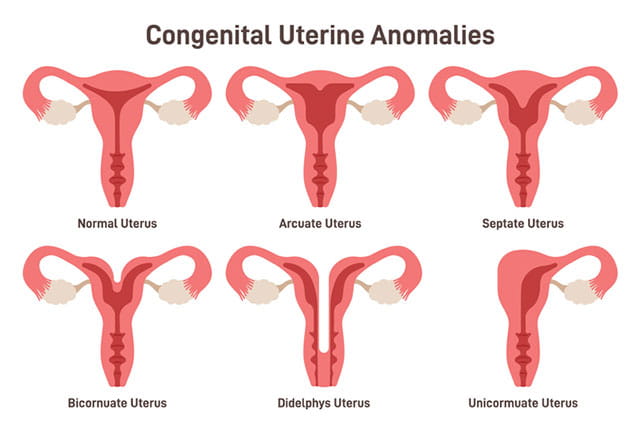
Definition of Size–Position Mismatch
A size–position mismatch occurs when the measured fundal height or abdominal findings do not match the weeks of pregnancy due to the way the baby is positioned in the womb.
The uterus may feel unusually wide, uneven, or smaller or larger than expected. This does not always mean there is a serious problem, but it is an important clinical sign that needs careful assessment by a trained health worker. Pintrest
How Fetal Position Affects Uterine Measurement
The baby’s position plays a major role in how the uterus grows and feels on examination. When the baby is head-down, the uterus usually has a smooth, rounded shape, and fundal height measurements closely match gestational age.
However, if the baby is lying sideways (transverse lie), feet-down (breech), or in another abnormal position, the uterus may appear broader, shorter, or irregular. In such cases, baby parts may be difficult to identify, and fundal height measurements may not accurately reflect the baby’s true growth.
Common Medical Terms Used
Health professionals use specific terms to describe abnormal baby positions. Malposition refers to an abnormal position of the baby’s head during labor, such as when the baby’s head is facing the mother’s abdomen instead of her back.
Malpresentation refers to situations where a part of the baby other than the head presents first, such as in breech or transverse lie. These conditions can affect uterine size, complicate labor, and may require referral to a health center for proper monitoring and delivery planning.
Can an Incorrect Position Affect Uterine Size in Pregnancy?
Common Baby Positions That Affect Uterine Size
The position of the baby inside the uterus can significantly influence uterine shape, size, and findings on abdominal examination. Some positions are normal earlier in pregnancy but may become concerning if they persist into the later weeks.
Understanding these positions helps in early identification and timely referral, which is essential for safe pregnancy and delivery.
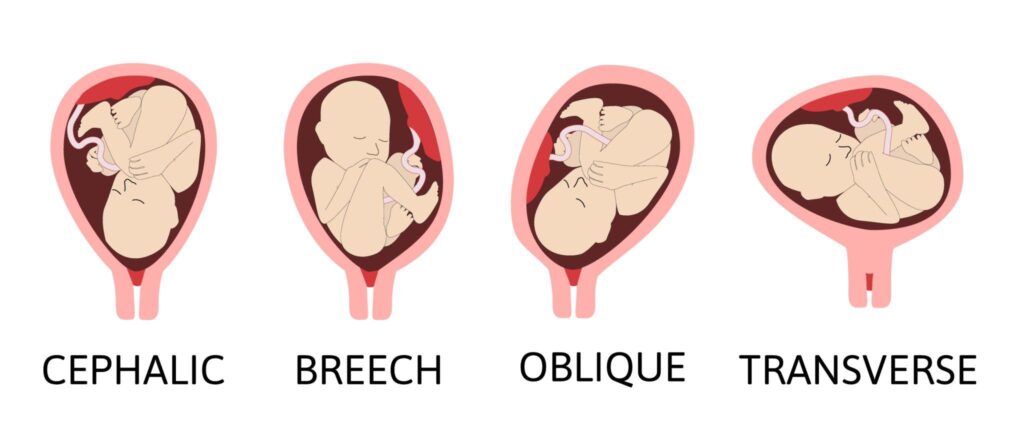
Breech Position
In the breech position, the baby’s buttocks, feet, or knees are positioned to come out first instead of the head. During abdominal examination, the baby’s head may be felt in the upper part of the uterus, while softer parts are felt lower down.
This position can cause uterine size to feel different from what is expected for the stage of pregnancy. If the baby remains breech close to the due date (six weeks or less), there is a higher risk of a difficult or complicated birth, and delivery should be planned at a health facility with skilled care.
Transverse Lie
In transverse lie, the baby lies sideways across the uterus rather than head-up or head-down. In this position, the uterus may feel wider than normal, and the baby’s head and buttocks may be difficult to identify during abdominal examination.
Transverse lie often causes uterine size measurements to be inaccurate. This is an abnormal position, especially in late pregnancy, and vaginal delivery is usually not safe. Women with this condition should be referred to a health center for proper monitoring and delivery planning.
Oblique Lie
An oblique lie occurs when the baby is positioned diagonally in the uterus, between a longitudinal (head-down) and transverse position. This position may change on its own earlier in pregnancy, but if it persists in the later stages, it can affect uterine size and shape.
Abdominal findings may be unclear, and fundal height may not match gestational age. Continued observation and medical assessment are necessary to ensure the baby moves into a safer position before labor begins.
Posterior Position (Occiput Posterior)
In the posterior position, the baby’s head is down, but the back of the baby’s head is facing the mother’s abdomen rather than her back. This position may not significantly change uterine size measurements, but it can affect the shape of the uterus and how the baby’s movements are felt.
Women may experience more back pain, and labor may be longer or more difficult. While many babies rotate into a normal position during labor, close monitoring by a healthcare provider is important.
When uterine size does not match the baby position
Signs of Baby in Wrong Position During Pregnancy
During pregnancy, changes in the baby’s position can sometimes be noticed through physical signs and symptoms.
While these signs do not confirm a diagnosis on their own, they can alert a pregnant woman and healthcare provider to the possibility that the baby may not be in the normal head-down position. Early recognition allows timely assessment and safer pregnancy care.
Unusual Belly Shape
If the baby is in an abnormal position, the belly may look uneven, wider than normal, or oddly shaped.
For example, a transverse lie may cause the abdomen to appear broad from side to side, while a breech position may make the upper abdomen feel firm due to the baby’s head being high in the uterus.
Strong Kicks in the Lower Abdomen
Feeling strong kicks low in the pelvis can be a sign that the baby’s legs or feet are positioned downward, as seen in breech presentations.
These movements may feel different from the typical kicking pattern felt when the baby is in a head-down position.
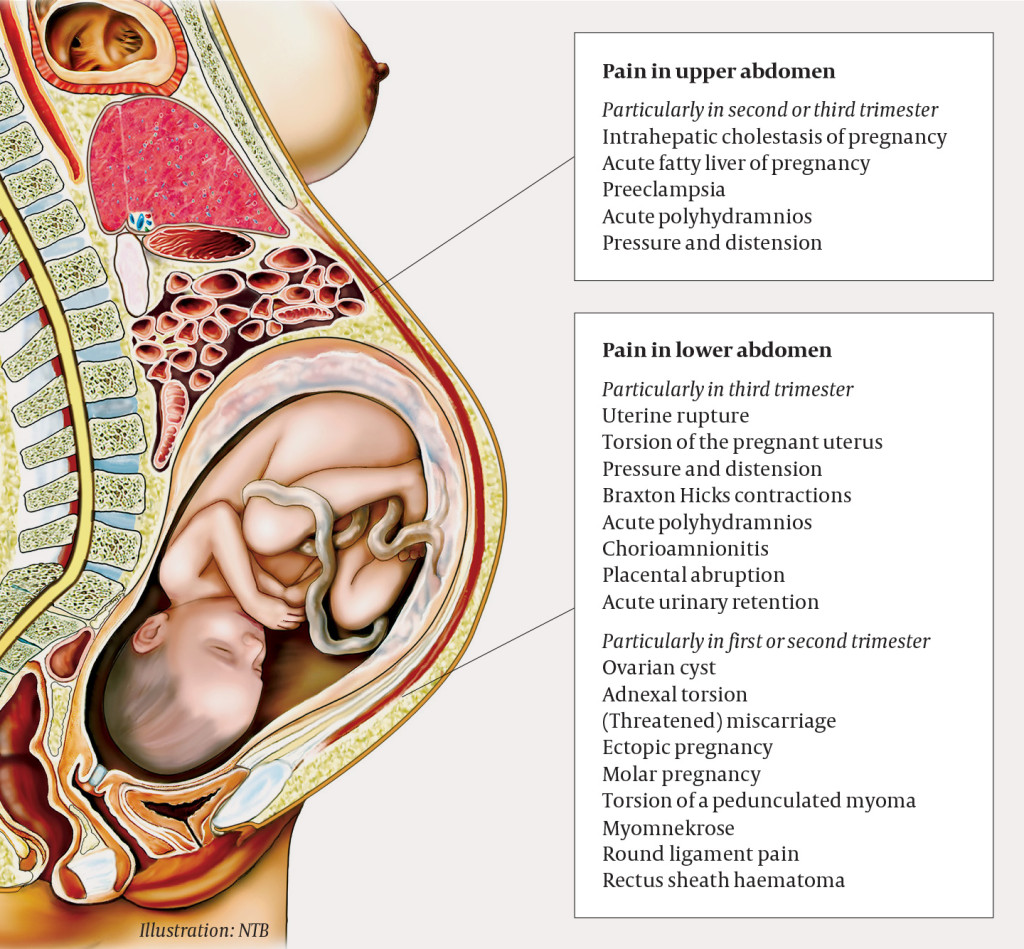
Pressure in the Ribs
Pressure or discomfort under the ribs is commonly reported when the baby’s head or back is positioned upward.
This can happen in breech or transverse positions and may cause discomfort, difficulty sitting comfortably, or shortness of breath, especially in the later stages of pregnancy.
Fundal Height Not Matching Pregnancy Weeks
When fundal height does not match the expected number of weeks of pregnancy, it may indicate an incorrect baby position.
An abnormal position can make uterine measurements appear smaller or larger than expected, prompting further evaluation through physical examination or ultrasound.
Back Pain More Than Usual
Persistent or severe lower back pain may be associated with certain baby positions, especially the posterior position.
While back pain is common in pregnancy, unusually intense or prolonged pain should be discussed with a healthcare provider, as it may suggest that the baby’s position could affect labor and delivery
Causes of Uterine Size and Baby Position Mismatch
A mismatch between uterine size and baby position can occur due to several maternal, fetal, or pregnancy-related factors. Understanding these causes helps in early recognition and timely referral, which is essential for preventing complications.
It is important to remember that only a qualified healthcare provider can accurately diagnose the underlying cause.
Can an Incorrect Position Affect Uterine Size in Pregnancy?
Excess or Low Amniotic Fluid
The amount of amniotic fluid plays a major role in uterine size and baby movement.
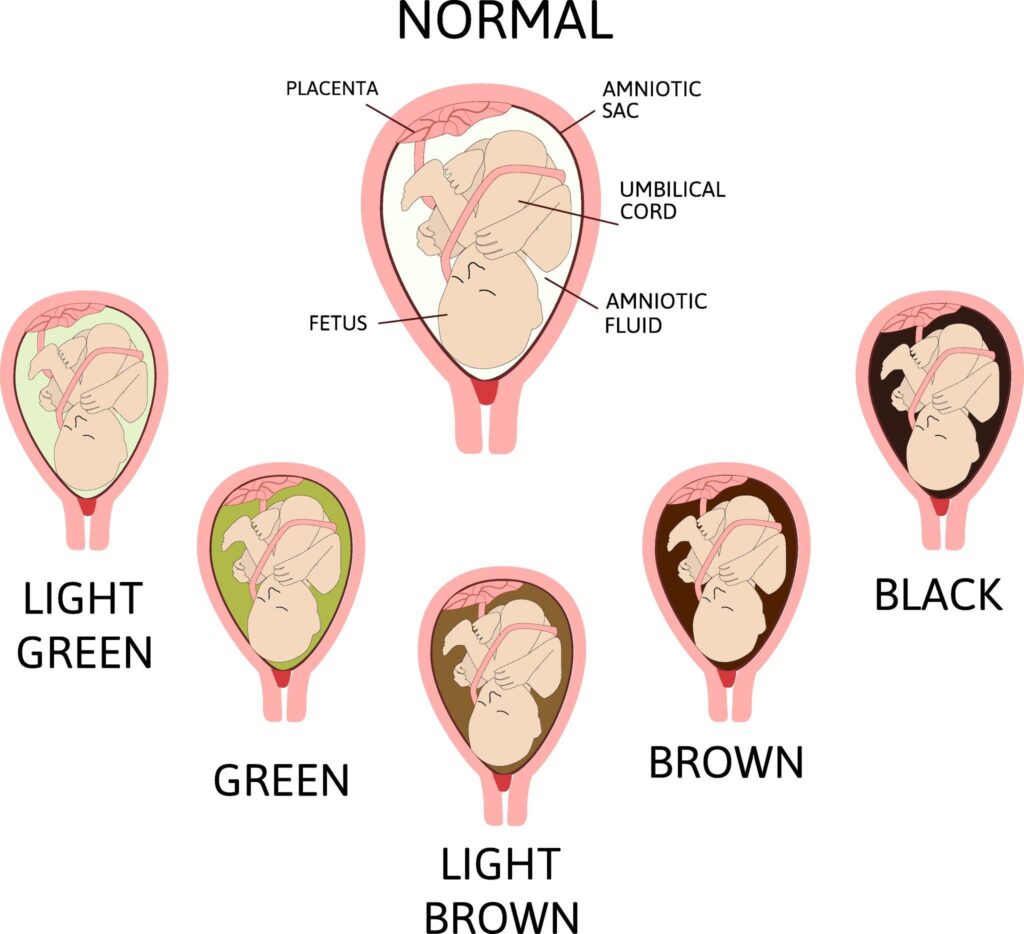
Excess amniotic fluid (polyhydramnios) can cause the uterus to measure larger than expected and allow the baby to move freely, increasing the chance of abnormal positions such as transverse lie.
Low amniotic fluid (oligohydramnios) may restrict the baby’s movement, preventing the baby from settling into the normal head-down position and causing uterine size to appear smaller than expected.
Multiple Pregnancy
In pregnancies with more than one baby, the uterus may be larger than normal for the gestational age. Limited space in the uterus can make it difficult for each baby to assume the correct position.
As a result, uterine size may not match expected measurements, and abnormal baby positions are more common.
Placenta Previa
Placenta previa occurs when the placenta lies low in the uterus and partially or completely covers the cervix. This condition can prevent the baby’s head from moving down into the pelvis, increasing the likelihood of breech or transverse positions.
Placenta previa can also affect uterine shape and measurement and requires careful medical monitoring.

Weak Abdominal Muscles
Weak or stretched abdominal muscles, often seen in women who have had multiple pregnancies, may reduce support for the uterus. This can affect how the baby settles into position and may contribute to abnormal uterine shape or size on examination.
Previous Cesarean Section
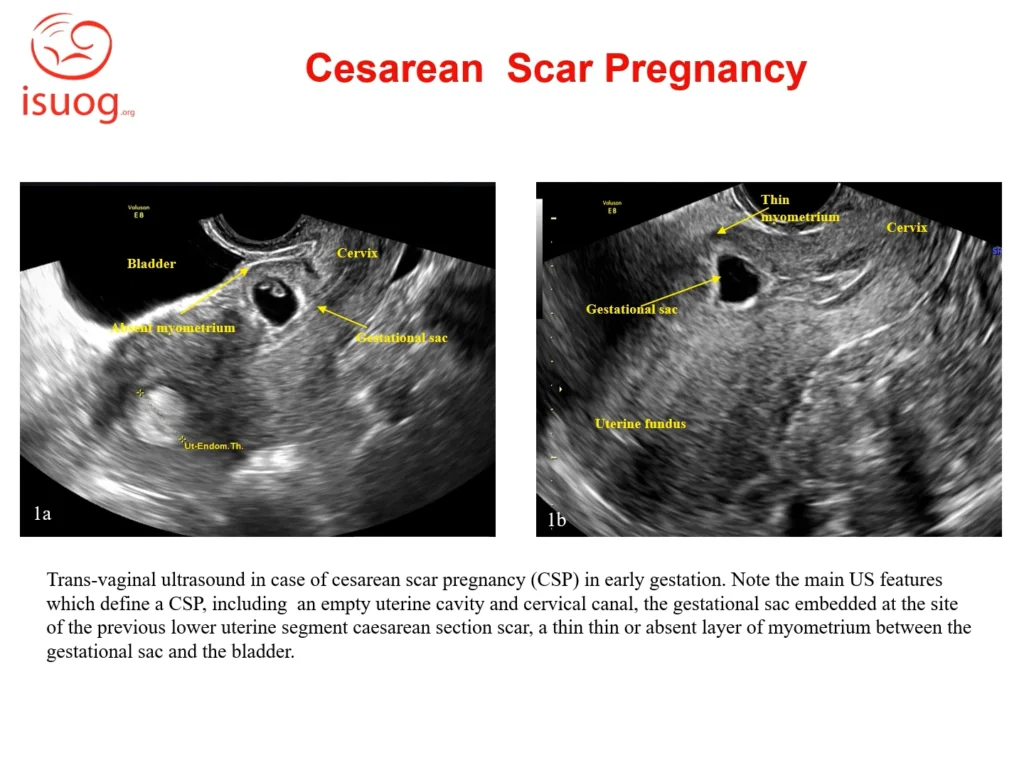
A previous cesarean section can sometimes influence uterine shape due to scar tissue. This may affect how the baby positions itself inside the uterus.
Women with a history of cesarean delivery may have a higher chance of abnormal baby position and should receive regular antenatal monitoring.
Is It Dangerous If Uterine Size Does Not Match Baby Position?
A mismatch between uterine size and baby position does not always mean there is an immediate danger. However, it can increase the risk of problems during labor and delivery, especially if it is not identified and managed in time.
Careful monitoring by a qualified healthcare provider is essential to reduce risks and ensure the safety of both the mother and the baby.
Possible Risks During Labor
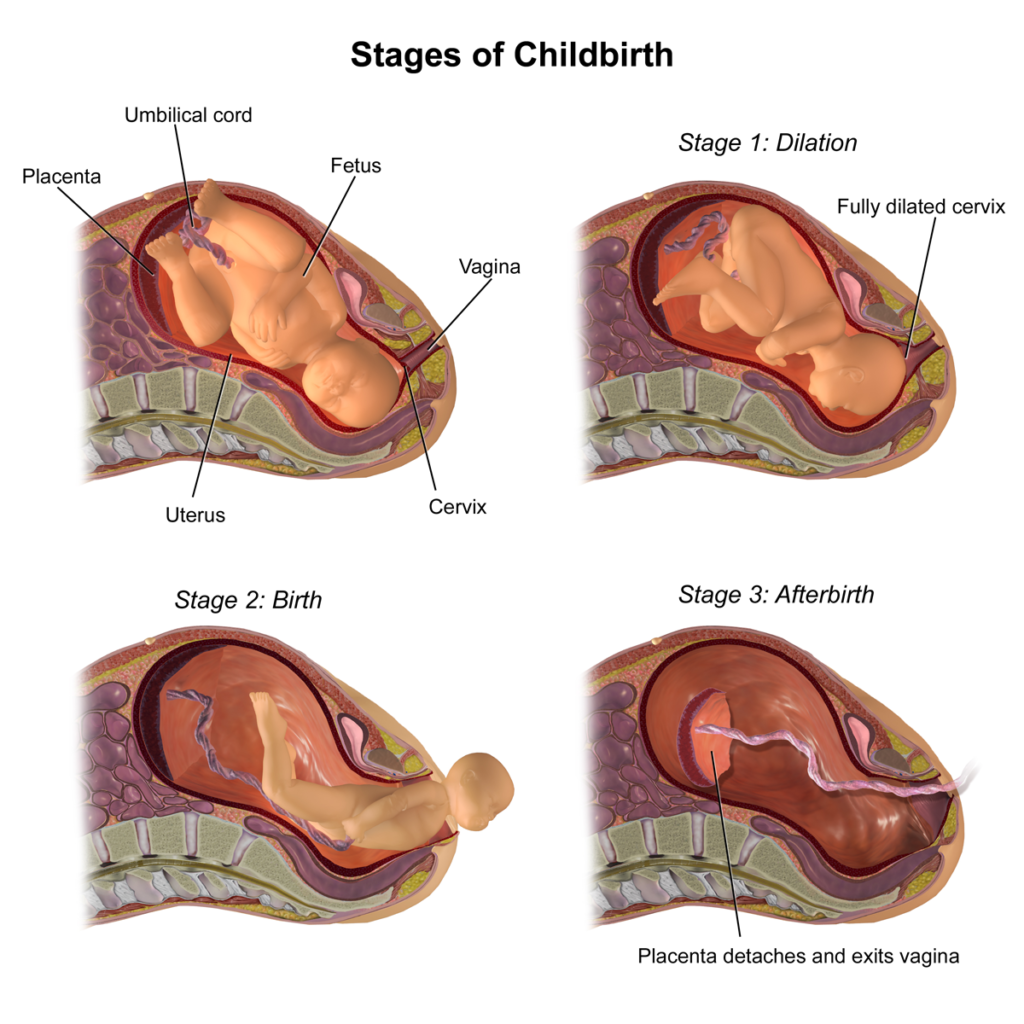
When the baby is not in the normal head-down position, labor may not progress smoothly. Abnormal positions can prevent the baby’s head from fitting properly into the pelvis, leading to prolonged or obstructed labor.
This may increase the mother’s risk of exhaustion, infection, or excessive bleeding during childbirth. In some cases, the baby may also experience stress due to reduced oxygen supply during difficult labor.
Delivery Complications
Incorrect baby position combined with abnormal uterine size can lead to delivery complications such as difficulty with vaginal birth, cord prolapse, or the need for assisted delivery or cesarean section.
Breech and transverse lie positions are particularly associated with higher complication rates if vaginal delivery is attempted without proper medical support. Planning delivery at a health facility with skilled staff significantly reduces these risks.
When It Becomes an Emergency
The situation becomes an emergency if uterine size mismatch is accompanied by warning signs such as sudden severe abdominal pain, vaginal bleeding, rupture of membranes with the baby in an abnormal position, or a noticeable decrease in fetal movements.
In these cases, immediate referral to a hospital or health center is necessary for urgent medical care.
How to Maintain Menstrual Health Step by Step (Complete Women’s Guide)
How Doctors Diagnose the Problem
When uterine size does not match the baby’s position, doctors use a combination of clinical assessment and diagnostic tools to identify the cause. Accurate diagnosis is important to decide the safest care plan for the mother and baby.
Diagnosis is always done by trained healthcare professionals during antenatal visits or hospital evaluation.
Physical Examination
A careful abdominal examination is usually the first step. The doctor or midwife uses their hands to feel the shape of the uterus and identify the position of the baby’s head, back, and limbs.
In a normal pregnancy, the baby’s head is felt low in the pelvis near term. If the head cannot be felt in the expected position or the abdomen feels unusually wide or irregular, it may suggest an abnormal baby position.
Fundal Height Measurement
Fundal height measurement helps assess uterine growth in relation to the weeks of pregnancy. The measurement is taken from the pubic bone to the top of the uterus using a measuring tape.
If the fundal height is smaller or larger than expected for gestational age, it may indicate a mismatch caused by incorrect baby position, abnormal amniotic fluid levels, or other pregnancy-related conditions. Repeated measurements over time help identify ongoing concerns.
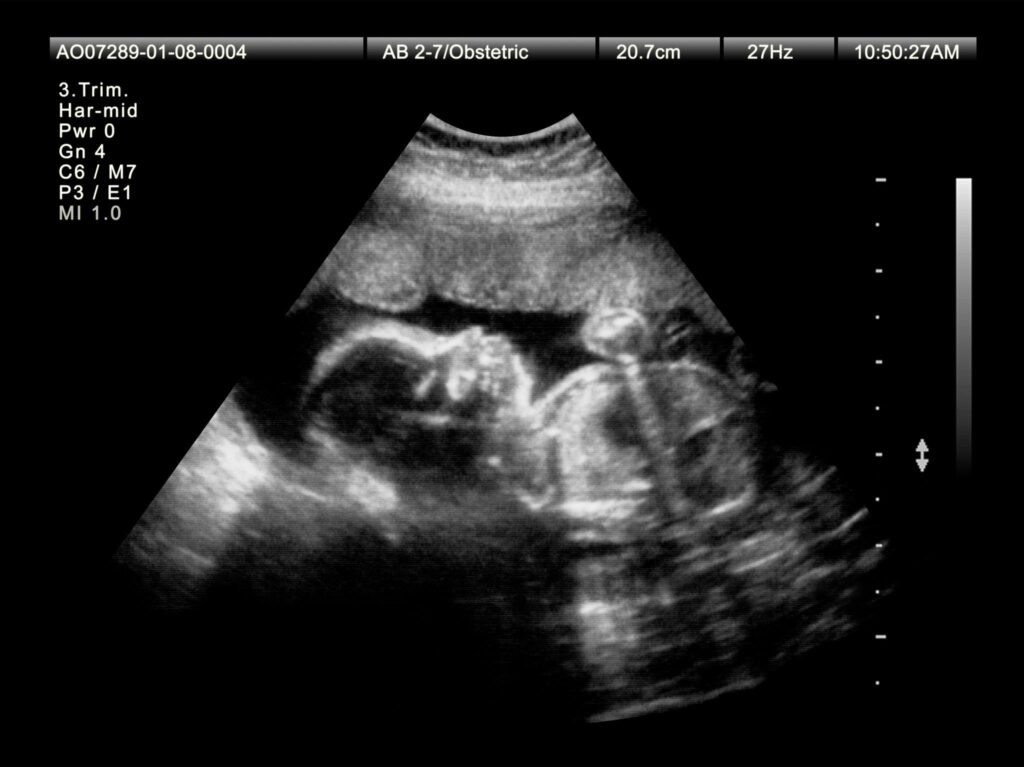
Ultrasound Scan
Ultrasound is the most accurate method for confirming the baby’s position and assessing uterine size. It allows healthcare providers to clearly see the baby’s orientation, measure growth, evaluate amniotic fluid levels, and check the position of the placenta.
Ultrasound is safe when performed by trained professionals and is often used to guide further management decisions.
Can Baby Position Be Corrected?
In many cases, an abnormal baby position can change on its own, especially earlier in pregnancy. When uterine size does not match baby position, healthcare providers carefully assess whether the baby’s position can be corrected or whether close monitoring and delivery planning are needed.
Any attempt to correct baby position should always be guided by a qualified healthcare professional.
Maternal Positioning Exercises
Certain maternal positions may encourage the baby to move into a head-down position, particularly before the final weeks of pregnancy. Healthcare providers may advise simple posture changes or exercises that help create more space in the pelvis. These techniques are generally safe when recommended by a professional, but they should not be attempted without guidance, especially in high-risk pregnancies.
External Cephalic Version (ECV)
External cephalic version is a medical procedure in which a trained doctor gently applies pressure on the mother’s abdomen to help turn the baby into a head-down position. ECV is usually performed near the end of pregnancy under medical supervision, often with ultrasound guidance and fetal monitoring. While ECV can be effective, it is not suitable for all women and is only done in a hospital setting where emergency care is available if needed.
Medical Monitoring
If the baby remains in an abnormal position, close medical monitoring becomes essential. This may include regular antenatal visits, repeated ultrasound examinations, and monitoring of fetal movements.
Medical monitoring helps ensure that both mother and baby remain healthy and allows timely planning for delivery.
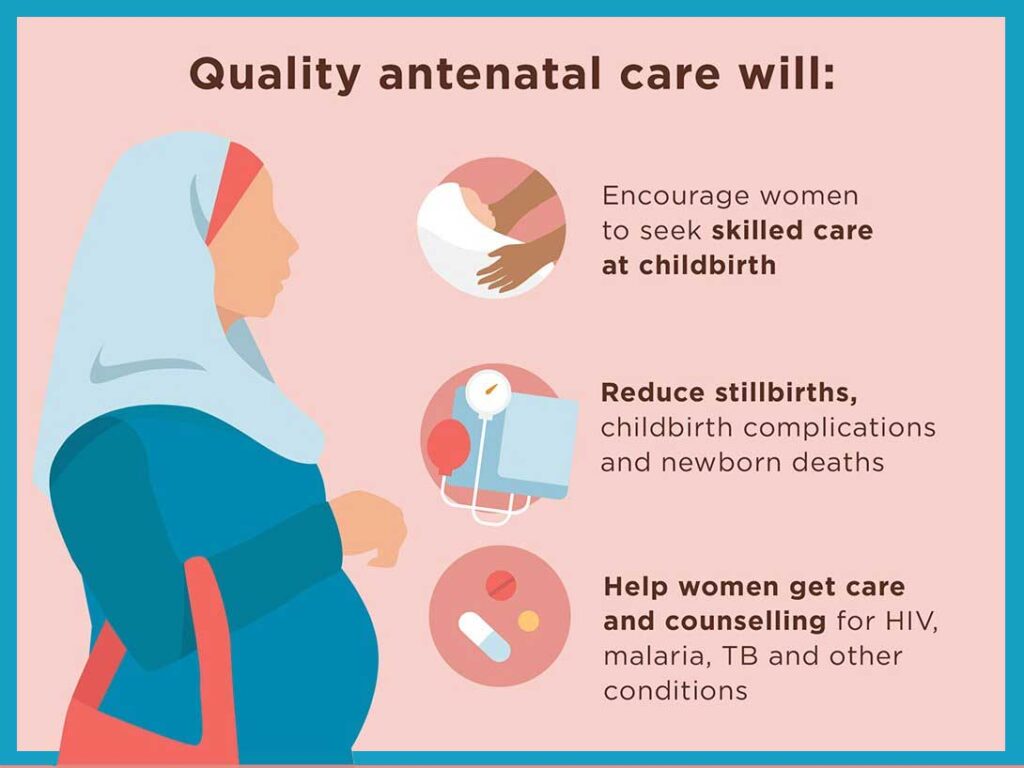
Can an Incorrect Fetal Position Affect Uterine Size in Pregnancy?
When Cesarean Section Is Recommended
A cesarean section may be recommended if the baby remains in an abnormal position close to delivery, especially in cases such as transverse lie or certain breech presentations.
C-section may also be advised if there are additional risk factors, such as placenta previa or previous uterine surgery. The decision is made by the healthcare provider based on the overall safety of the mother and baby.
When to Go to Hospital Immediately
Certain warning signs during pregnancy require urgent medical attention, especially when uterine size does not match the baby’s position.
Recognizing these danger signs early and going to a hospital or health center without delay can help prevent serious complications for both the mother and the baby.
Sudden Decrease in Baby Movements
A noticeable reduction or absence of baby movements after 20 weeks of pregnancy is a serious warning sign. If the baby moves much less than usual or stops moving altogether, immediate medical evaluation is required, as this may indicate fetal distress.
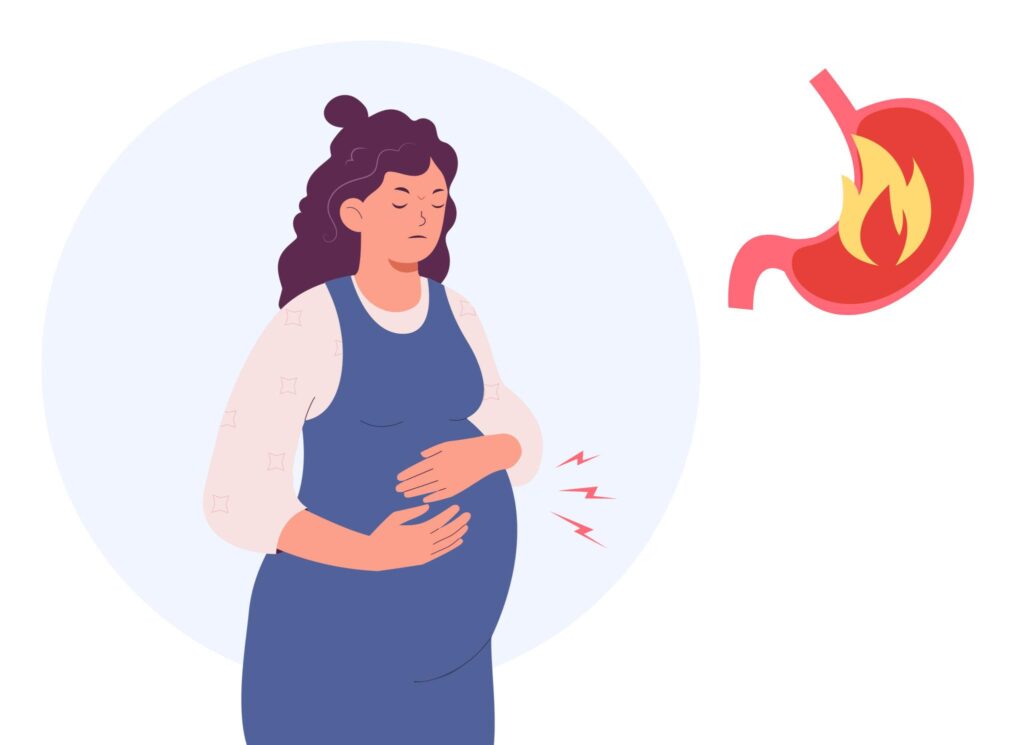
Severe Abdominal Pain
Severe or persistent abdominal pain is not normal and should never be ignored. It may signal complications related to abnormal baby position, uterine problems, or other pregnancy-related emergencies. Immediate assessment by a healthcare provider is essential.
Vaginal Bleeding
Any vaginal bleeding during pregnancy is a danger sign. Bleeding may be associated with conditions such as placenta previa or placental abruption and requires urgent medical care, especially if accompanied by abnormal uterine size or baby position.
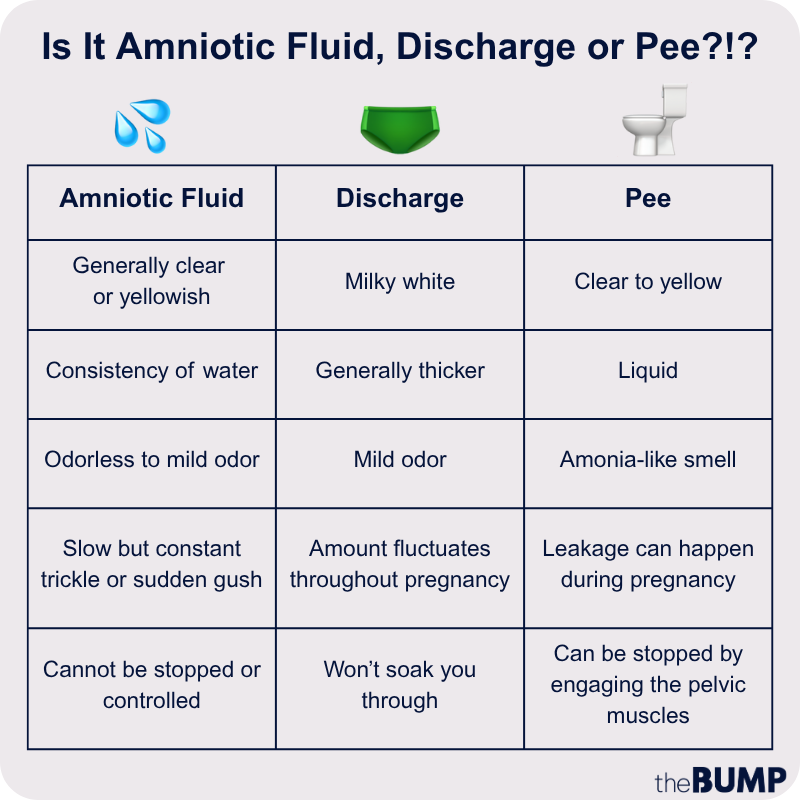
Water Breaking Early
If the amniotic fluid leaks or the water breaks before labor begins, particularly when the baby is in an abnormal position, there is an increased risk of infection or cord prolapse. Immediate hospital care is necessary in this situation.
Persistent Abnormal Uterine Measurements
If repeated antenatal visits show that uterine size continues to be larger or smaller than expected, especially when combined with an abnormal baby position, further medical evaluation is needed.
Persistent abnormal measurements may indicate underlying complications that require hospital-based care.
Final Thoughts
Routine antenatal visits play a vital role in maintaining a healthy pregnancy.These visits allow healthcare providers to monitor uterine size, baby position, and overall maternal and fetal well-being.
Routine examinations help identify potential problems early, even before noticeable symptoms appear.
Seeking medical advice early can prevent many pregnancy-related complications. When issues such as abnormal uterine size or incorrect baby position are detected in time, appropriate monitoring, referral, and delivery planning can be arranged.
Early medical care reduces risks during labor and improves outcomes for both mother and baby.
Mothers are encouraged to stay aware of their bodies and monitor important signs such as baby movements, abdominal discomfort, and any unusual changes.
Reporting concerns promptly and following professional medical guidance play a vital role in ensuring a safe pregnancy and delivery.
When Uterine Size Does Not Match Baby Position, What Does It Mean?
When uterine size does not match baby position, it usually means the way the baby is lying in the womb is affecting how the uterus is measured. Abnormal positions such as breech or transverse lie can make the uterus appear larger, smaller, or irregular. This finding requires medical assessment but does not always indicate a serious problem.
Does Baby Position Influence Uterine Size During Pregnancy?
Yes, baby position can influence uterine size during pregnancy. When the baby is in the normal head-down position, uterine measurements usually match pregnancy weeks. If the baby is sideways or feet-down, uterine shape and fundal height measurements may differ from expected values.
How Can an Incorrect Baby Position Impact Uterine Size?
An incorrect baby position can change the shape of the uterus, making it wider or shorter than usual. This can lead to fundal height measurements that do not match gestational age, even if the baby’s growth is normal.
What Is the Effect of an Abnormal Baby Position on Uterine Size?
Abnormal baby positions may cause uneven uterine growth or inaccurate measurements during abdominal examination. This effect helps healthcare providers identify potential positioning problems that may need monitoring or referral.
Can a Wrong Baby Position Affect Uterine Size?
Yes, a wrong baby position can affect uterine size by altering how the uterus stretches and how measurements are taken. This is one of the reasons doctors check both uterine size and baby position during prenatal visits.
What Are the Signs of a Baby in the Wrong Position During Pregnancy?
Common signs include an unusual belly shape, strong kicks felt low in the abdomen, pressure under the ribs, fundal height not matching pregnancy weeks, and increased back pain.
What Does Incorrect Uterine Size Mean in Pregnancy?
Incorrect uterine size means the uterus is measuring smaller or larger than expected for the stage of pregnancy. This may be related to baby position, amniotic fluid levels, multiple pregnancy, or growth concerns and requires further assessment.
What Is the Relationship Between Incorrect Fetal Position and Uterine Size?
Incorrect fetal position and uterine size are closely related because fetal orientation affects uterine shape and measurement. A mismatch between the two is a useful clinical sign that guides further monitoring and care.
How Do I Know My Baby Is in the Wrong Position?
You may suspect a wrong baby position if you feel strong kicks low in the pelvis, pressure under the ribs, notice an unusual belly shape, or are told during a prenatal visit that fundal height does not match pregnancy weeks. Only a healthcare provider can confirm this through examination or ultrasound.
Are Baby Position Problems Common in the Third Trimester?
Yes, baby position problems can occur in the third trimester. While many babies turn head-down naturally, some remain breech or transverse and may require closer monitoring or delivery planning.
When Should I Go to the Hospital for Baby Position Problems?
You should go to the hospital immediately if baby position problems are accompanied by reduced baby movements, severe abdominal pain, vaginal bleeding, early water breaking, or persistent abnormal uterine measurements.
Is an Incorrect Baby Position Dangerous?
An incorrect baby position is not always dangerous, especially earlier in pregnancy. However, if it persists in the later weeks, it can increase the risk of labor and delivery complications, which is why close medical monitoring is important.
Important medical note:
This FAQ content is for educational purposes only and does not replace professional medical advice. Any concerns about uterine size or baby position should be discussed with a qualified healthcare provider.
Leave a Reply