Introduction
Pregnancy is a natural process, but it is not always easy for every woman. Many women experience difficulties during pregnancy due to physical changes, emotional stress, lifestyle conditions, or personal circumstances. These difficulties can begin in early pregnancy, continue during childbirth, or appear after delivery.
Table of Contents
Factors such as a woman’s age, body strength, nutrition, previous pregnancy experiences, and the level of family support can all affect how smoothly a pregnancy progresses.
Understanding the situations in which pregnancy becomes difficult helps families and communities provide better care, support, and timely medical attention to women during this important stage of life.
Understanding Pregnancy Difficulties
Pregnancy difficulties do not occur for the same reasons in every woman. While pregnancy is a natural process, certain physical, emotional, and social conditions can make it challenging.
Difficulties may appear before delivery, during childbirth, or after delivery, depending on a woman’s overall health, body condition, and life circumstances. Understanding why pregnancy feels difficult helps families recognize problems early and support women better.
What Makes Pregnancy Feel Difficult
Pregnancy can feel difficult when a woman’s body is not fully prepared to handle the physical and emotional demands of pregnancy and childbirth. Women who are underweight or overweight may experience weakness, fatigue, or complications because their bodies lack balance and strength.
Similarly, women with short height or improper bone structure, especially of the hips or legs, may face difficulty during delivery because the baby may not pass easily through the birth canal.
Pregnancy may also feel difficult for women who are constantly ill or suffering from long-term health issues such as diabetes, tuberculosis, heart, liver, or respiratory diseases. These conditions reduce the body’s ability to cope with pregnancy stress.
In addition, anemia and weakness can cause dizziness, tiredness, and increase the risk of excessive bleeding during childbirth, making pregnancy more exhausting and risky.
Good nutrition and self-care support pregnancy, and a complete women’s menstrual health guide helps build long-term reproductive health awareness.
Why Some Women Struggle More During Pregnancy
Some women struggle more during pregnancy due to age-related and reproductive factors. Girls under the age of 18 are often not physically mature enough to endure the pain and pressure of pregnancy and childbirth.
On the other hand, women over the age of 35 may experience more discomfort and slower recovery because the body becomes less flexible with age.
Women who have had many pregnancies, especially those who already have five or more children, may struggle due to repeated physical strain. Frequent pregnancies can weaken the mother’s body, cause anemia, and lead to uterine problems after childbirth.
Similarly, women whose last child is under two years old may not have recovered fully, making the new pregnancy more difficult.
Women with a history of poor pregnancy outcomes, such as miscarriages, stillbirths, heavy bleeding, or previous cesarean deliveries, may face repeated challenges.
Emotional stress, fear, and physical weakness from past experiences can also increase pregnancy difficulties.
Physical Situations That Make Pregnancy Difficult
Physical changes are one of the main reasons pregnancy becomes difficult for many women. As the body adjusts to support the growing baby, women may experience discomfort, weakness, and pain.
These physical challenges can feel stronger in women who are underweight, overweight, anemic, frequently ill, or who have had repeated pregnancies.
Body Changes During Pregnancy
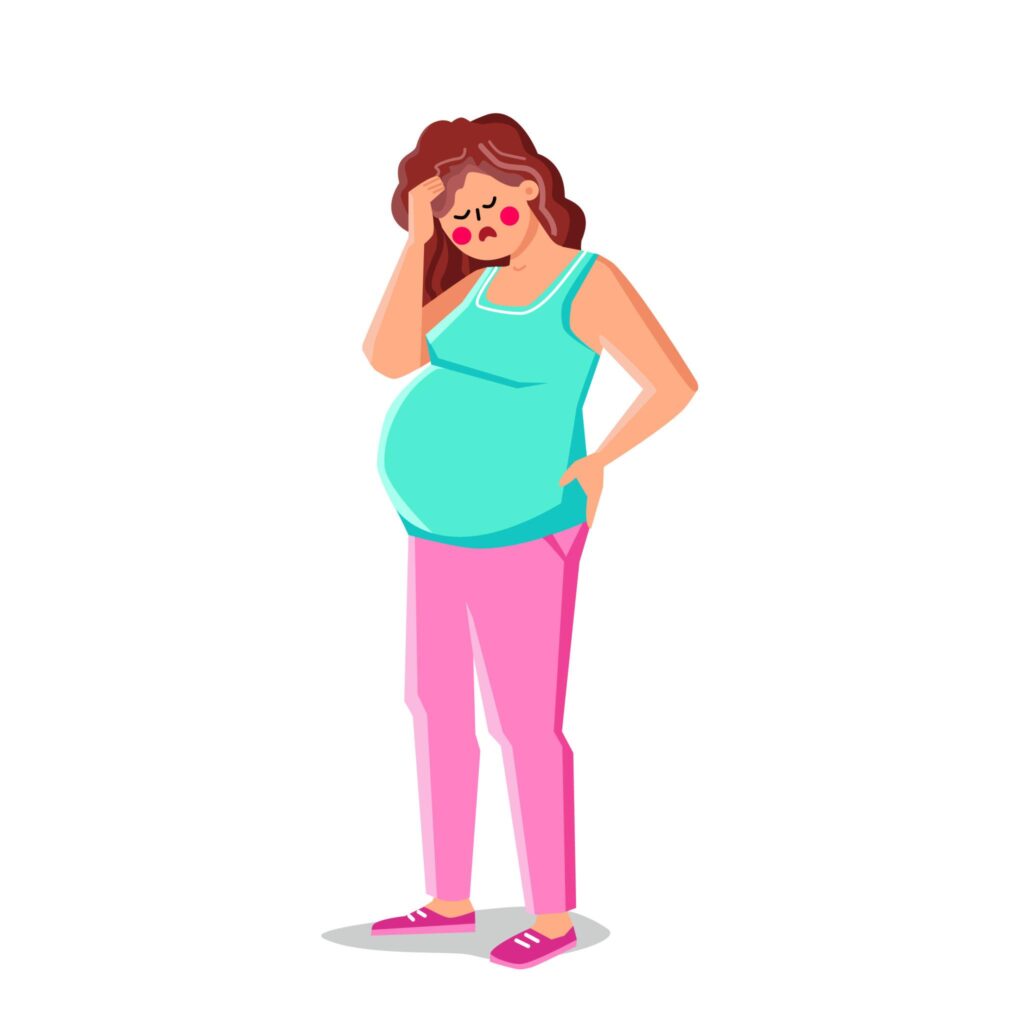
During pregnancy, a woman’s body goes through many changes, including weight gain, hormonal shifts, and changes in posture. These changes can be especially difficult for women who are very underweight or overweight, as their bodies may struggle to maintain balance and strength.
Women with short height or improper bone structure, particularly in the hips or legs, may also feel increased pressure and discomfort as the pregnancy progresses, making daily activities harder.
Fatigue and Low Energy
Extreme tiredness is very common during pregnancy. Women with anemia, weakness, or poor nutrition often feel exhausted because their bodies do not have enough strength to support both the mother and the baby.
Women who have had many pregnancies or whose last child is under two years old may experience even more fatigue because their bodies have not fully recovered from previous childbirth.
Nausea and Digestion Discomfort
Many pregnant women experience nausea, vomiting, heartburn, or constipation. These digestion problems can worsen in women who are already weak or suffering from illnesses such as diabetes or liver problems.
Poor eating habits and dehydration can also increase nausea, making pregnancy feel uncomfortable and stressful on a daily basis.
Back Pain and Body Aches
Back pain, joint pain, and general body aches often occur as the baby grows and body weight increases. Women with poor posture, weak muscles, or repeated pregnancies may feel stronger pain in the lower back and legs.
As the uterus expands, pressure on the spine and hips increases, which can make walking, sitting, and sleeping uncomfortable.
Sleep Problems During Pregnancy
Sleep disturbances are another major physical difficulty during pregnancy. Discomfort, body pain, frequent urination, and stress can prevent women from getting proper rest.
Women who are anemic, physically weak, or under stress often struggle more with sleep problems. Lack of rest further increases fatigue and reduces the body’s ability to cope with pregnancy demands.
Emotional Situations During Pregnancy
Pregnancy does not only affect the body; it also deeply affects a woman’s emotions and mental state. Hormonal changes, physical discomfort, and personal circumstances can make women emotionally sensitive during this period.
Emotional challenges may become stronger in women who are physically weak, frequently ill, very young, older in age, or who have experienced difficult pregnancies in the past.
Mood Swings and Emotional Changes
During pregnancy, hormonal changes can cause sudden mood swings. A woman may feel happy one moment and sad or irritated the next.
These emotional changes can be more noticeable in women who are already dealing with weakness, anemia, or physical discomfort.
Young mothers under 18 may also struggle emotionally because they are not fully mature or mentally prepared for the responsibilities of childbirth. Similarly, women over 35 may feel emotional pressure due to health concerns or fear of complications.
Stress During Pregnancy
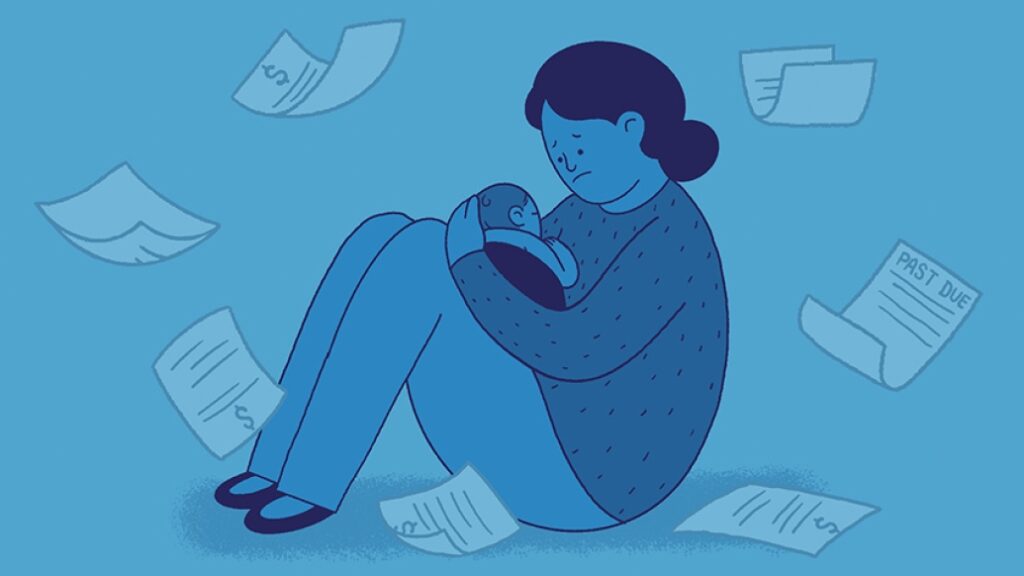
Stress is a common emotional difficulty during pregnancy. Financial concerns, family responsibilities, and previous negative pregnancy experiences can increase stress levels.
Women who have had miscarriages, stillbirths, heavy bleeding, or cesarean sections in the past may constantly worry that the same problems could happen again. Repeated pregnancies, especially when a woman already has five or more children, can also create physical and emotional strain.
Lack of proper support from family members can make stress worse. When a pregnant woman feels unsupported or misunderstood, everyday challenges may feel much heavier.
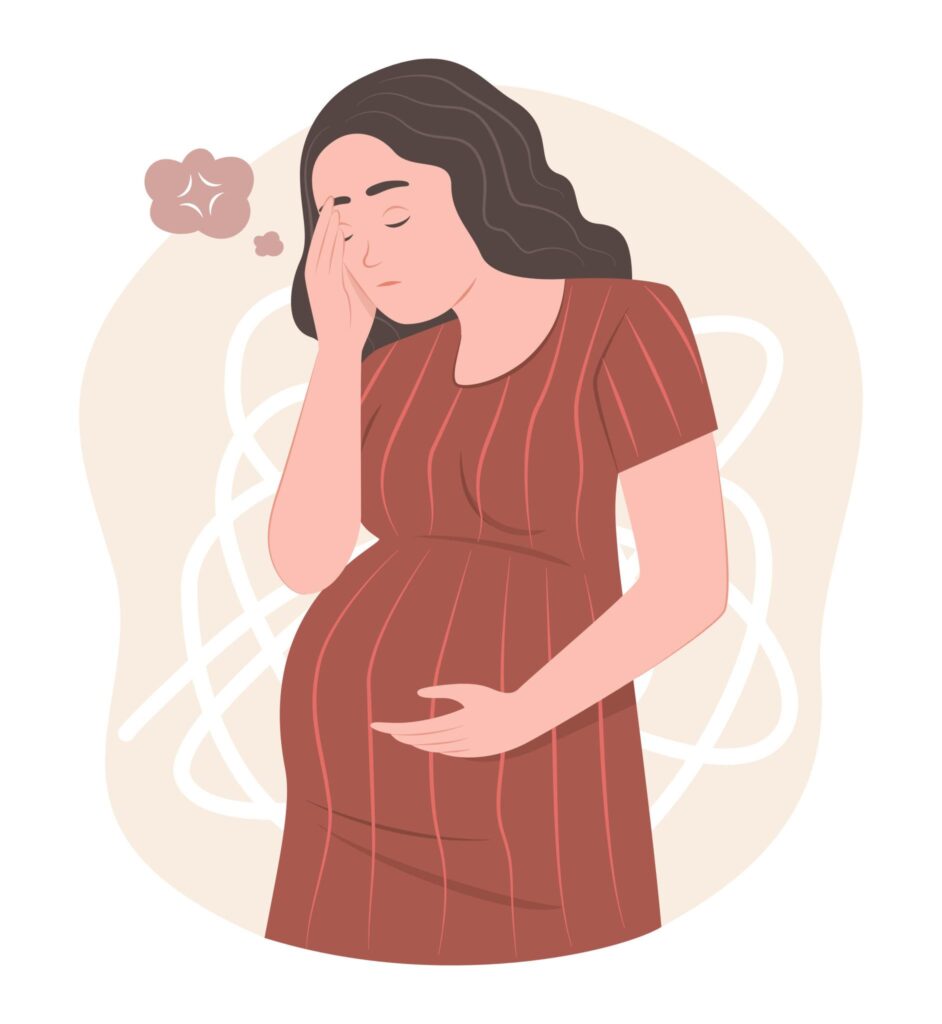
Anxiety and Feeling Overwhelmed
Pregnancy can bring feelings of fear and uncertainty. Women may worry about labor pain, the baby’s health, or their own ability to handle childbirth.
Women who are constantly ill or suffering from long-term diseases may feel more anxious because they fear their condition could affect the pregnancy. First-time mothers often feel overwhelmed because everything is new and unfamiliar to them.
Anxiety can also increase when pregnancies happen too close together, especially when the last child is under two years old and the mother has not fully recovered physically or emotionally.
Emotional Sensitivity During Pregnancy
Pregnant women often become more emotionally sensitive. Small problems may feel larger than usual, and criticism or lack of attention can hurt more deeply.
Physical weakness, lack of rest, and hormonal imbalance can make emotions harder to control. Women who lack family or partner support may feel lonely, isolated, or unappreciated during this important stage of life.
Providing emotional care, reassurance, and understanding can greatly reduce these emotional difficulties and help women feel safer and more confident throughout pregnancy.
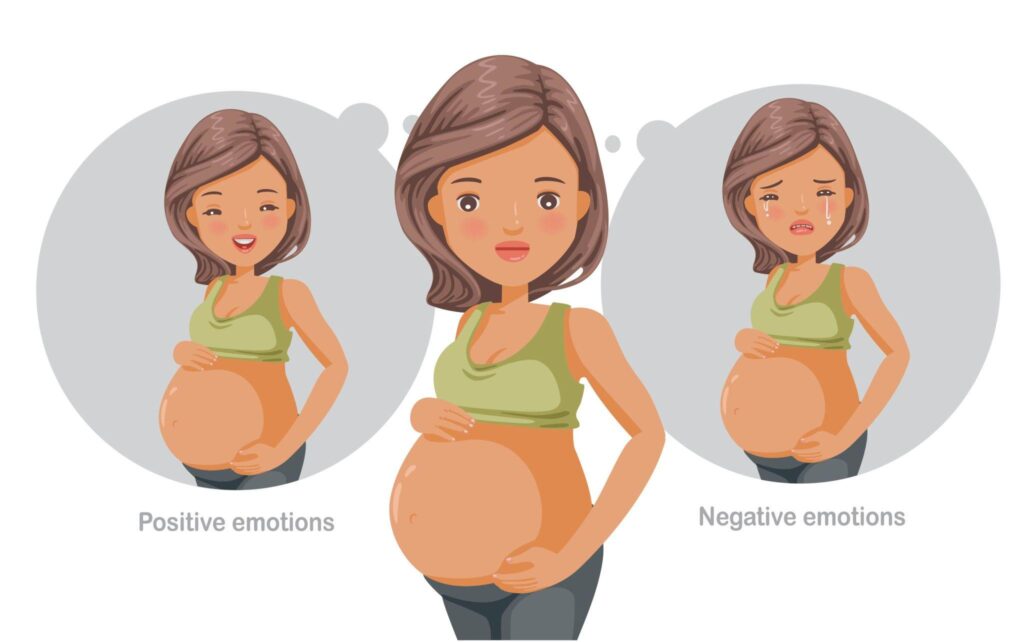
“Pregnancy difficulties due to lack of family support”
Family and Support-Related Situations
Family support plays a very important role in a woman’s pregnancy journey. When emotional and practical support is missing, pregnancy can become more stressful and difficult.
Women who are physically weak, anemic, very young, older in age, or who have experienced difficult pregnancies in the past may struggle even more when they do not receive proper care and understanding from their family.
Lack of Family Support During Pregnancy
When a pregnant woman does not receive care, attention, or understanding from her family, she may feel stressed and emotionally drained. Lack of help with daily tasks, poor emotional support, or neglect of her health needs can make pregnancy feel overwhelming.
Women who are underweight, constantly ill, or suffering from anemia need extra care, and without family support, their physical and emotional condition may worsen.
Lack of Partner Support
Support from a partner is especially important during pregnancy. When a partner is emotionally distant, unsupportive, or absent, a woman may feel insecure and alone.
This can increase stress, anxiety, and fear related to childbirth. First-time mothers and women who have previously faced miscarriages or difficult deliveries may struggle more without partner support, as reassurance and encouragement are essential during this time. Pintrest
Family Pressure During Pregnancy
Family pressure can also create difficulties during pregnancy. Expectations related to gender preference, repeated pregnancies, household responsibilities, or traditional beliefs can place unnecessary stress on a pregnant woman. Women who already have several children or those whose last child is under two years old may feel pressured despite being physically weak or not fully recovered, making pregnancy more challenging.
Feeling Lonely During Pregnancy
Feeling lonely during pregnancy is a common emotional problem, especially when support systems are weak. Women may feel isolated even while living with family if their emotional needs are ignored. Loneliness can increase anxiety, sadness, and emotional sensitivity.
Women who are young, facing health problems, or have experienced poor pregnancy outcomes in the past may feel loneliness more deeply during pregnancy.

“Common situations causing pregnancy difficulties”
Work and Lifestyle Situations
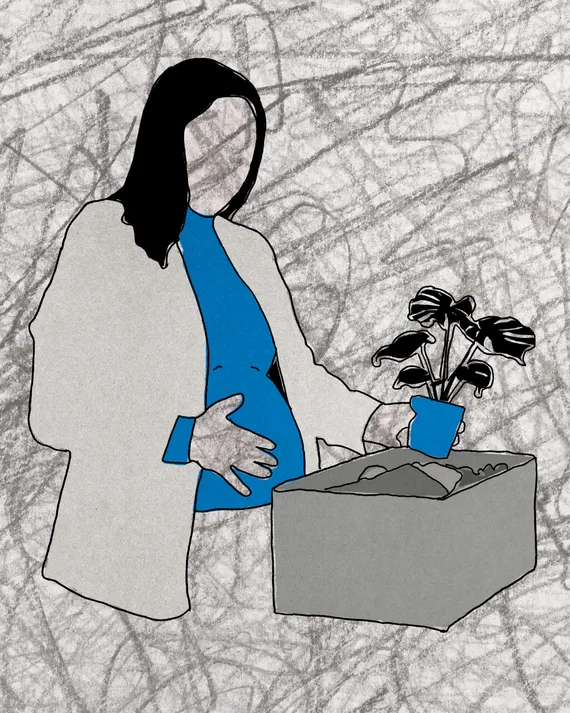
Work and daily lifestyle demands can make pregnancy more difficult for many women. Physical weakness, emotional stress, and lack of rest often increase when women must continue working or managing household responsibilities during pregnancy.
These difficulties may become more serious for women who are underweight, anemic, frequently ill, very young, older in age, or who have had multiple pregnancies.
Pregnancy Difficulties for Working Women
Working women often face extra challenges during pregnancy. Long hours, standing for extended periods, and physical labor can increase fatigue and body pain.
Women who already suffer from weakness, anemia, or health problems may find it especially hard to cope with work demands. For pregnant women who are physically small or have bone structure limitations, continuous work can increase discomfort and exhaustion.
Job Stress During Pregnancy
Job-related stress is another major difficulty during pregnancy. Work pressure, deadlines, fear of job loss, or lack of workplace support can cause emotional strain.
Women who have had difficult pregnancies in the past or poor pregnancy outcomes may experience increased anxiety at work. Stress can also worsen physical symptoms such as headaches, fatigue, and sleep problems, making pregnancy feel more difficult.
Long Working Hours and Physical Strain
Long working hours and physically demanding tasks can place extra strain on a pregnant woman’s body. Standing, lifting, or repetitive movements can cause back pain, leg pain, and swelling.
Women who have had repeated pregnancies or whose last child is under two years old may not have fully regained strength, making physical strain more harmful. Without enough rest, the body struggles to cope with pregnancy demands.
Together, these guides help women recognize early warning signs, understand their bodies better, and know when going to the hospital during pregnancy is necessary for the safety of both mother and baby.
Difficulty Balancing Work and Home Life
Many women struggle to balance work responsibilities with household duties during pregnancy. Managing cooking, cleaning, childcare, and employment can be exhausting, especially when family support is limited.
Women who are weak, frequently ill, or emotionally stressed may feel overwhelmed by these responsibilities. Lack of rest and constant pressure can increase both physical discomfort and emotional distress during pregnancy.
Nutrition and Daily Care Situations
Proper nutrition and daily self-care are essential for a healthy pregnancy. When a woman does not receive balanced food, enough fluids, or adequate rest, pregnancy can become more difficult.
These challenges may be greater for women who are already underweight, overweight, anemic, frequently ill, or who have experienced repeated pregnancies without enough recovery time.
Poor Diet During Pregnancy
A poor diet can weaken the mother’s body and reduce her ability to support the growing baby. Women who are underweight (less than 45 kg) may not have enough nutritional reserves, while women who are overweight (more than 80 kg) may face additional physical strain.
Lack of iron-rich foods can lead to anemia, causing weakness and increasing the risk of excessive bleeding during childbirth.
Women who have had multiple pregnancies, especially those with five or more children, may already have low iron levels due to repeated physical stress. Without proper nutrition, their bodies struggle to regain strength, making pregnancy more exhausting and uncomfortable.
Dehydration and Low Energy
During pregnancy, the body needs extra fluids to maintain blood circulation and overall health. When a woman does not drink enough water, she may feel dizzy, weak, and tired. Dehydration can also worsen nausea, headaches, and fatigue.
Women who are constantly ill or suffering from long-term diseases may experience even lower energy levels. If the previous child is under two years old and the mother has not fully recovered, low energy can make the new pregnancy more challenging.
Difficulty Maintaining Healthy Routines
Maintaining a healthy routine during pregnancy can be difficult, especially for working women or those with heavy household responsibilities. Irregular meal times, lack of physical movement, and emotional stress can disturb overall health. Women who are very young, older in age, or physically weak may struggle more to maintain balanced daily habits.
Women who have experienced poor pregnancy outcomes in the past may also find it harder to stay calm and consistent with healthy routines due to fear or anxiety.
Lack of Rest and Self-Care
Rest is extremely important during pregnancy. Without enough sleep and relaxation, the body becomes more tired and sensitive to pain. Lack of rest can worsen back pain, mood swings, and emotional stress.
Women who already have several children, or whose last child is under two years old, may not get sufficient time to recover. If family support is limited, they may continue heavy household work despite weakness. Over time, this lack of self-care increases physical and emotional difficulties during pregnancy.
In What Situations Pregnancy Becomes Difficult for Women
Financial and Personal Life Situations
Financial and personal life circumstances can strongly affect a woman’s experience during pregnancy. When money concerns, unexpected pregnancy, or heavy responsibilities are present, pregnancy may feel more stressful and difficult.
These challenges can be even harder for women who are physically weak, anemic, very young, older in age, or who have experienced repeated or difficult pregnancies in the past.
Financial Stress During Pregnancy
Financial stress is a common difficulty during pregnancy. Worries about medical expenses, nutrition, transportation to health centers, or daily household needs can cause constant anxiety. Women who already struggle with health issues or weakness may find it harder to manage these concerns. Financial pressure can also limit access to nutritious food, proper rest, and regular checkups, increasing physical and emotional strain during pregnancy.
Poor nutrition can lead to iron deficiency, and recognizing the early symptoms of anemia helps prevent weakness during pregnancy.
Unplanned Pregnancy Challenges
An unplanned pregnancy can create emotional and practical difficulties for women. Sudden changes in life plans, lack of emotional readiness, and fear of social or family reactions can cause stress.
Young women under 18 and women whose last child is under two years old may feel especially overwhelmed. Unplanned pregnancies may also occur before the mother has fully recovered physically, making pregnancy more challenging.
Women with previous poor pregnancy outcomes or health conditions may feel anxious and uncertain when a pregnancy is unplanned, increasing emotional sensitivity and stress.
Managing Daily Responsibilities While Pregnant
Pregnant women often continue managing household chores, childcare, and sometimes paid work. Balancing these responsibilities can be exhausting, especially when family support is limited.
Women who already have several children or who are physically weak may feel overwhelmed by daily demands.
Constant illness, anemia, lack of rest, and emotional stress can make it difficult to perform everyday tasks. Without enough help and understanding, managing daily responsibilities can increase fatigue, body pain, and emotional strain during pregnancy.
How to Manage Common Pregnancy Difficulties
Although pregnancy can be challenging, many common difficulties can be reduced with proper care, support, and small lifestyle changes.
Paying attention to physical health, emotional well-being, and daily habits can help women cope better with pregnancy, especially those who are physically weak, anemic, very young, older in age, or who have experienced difficult pregnancies in the past.
Simple Self-Care Tips for Pregnancy
Self-care plays an important role in making pregnancy easier. Eating a balanced diet that includes iron-rich foods, drinking enough water, and getting proper rest can help reduce weakness and fatigue. Women who are underweight or anemic should focus on improving nutrition to regain strength.
Light physical activity, such as gentle walking, can help reduce body stiffness and improve circulation, while avoiding heavy work can prevent excessive strain.
Regular health checkups are also important, especially for women who have had previous pregnancy complications or frequent illnesses.
Importance of Emotional Support
Emotional support is just as important as physical care during pregnancy. Encouragement from family members and partners can reduce stress, fear, and emotional sensitivity. Women who feel supported are more confident and better able to handle pregnancy challenges.
Listening to pregnant women, understanding their fears, and offering reassurance can help reduce anxiety. This support is especially important for first-time mothers, women with unplanned pregnancies, and those who have experienced miscarriages or difficult deliveries in the past.
Lifestyle Adjustments for Comfort
Making small lifestyle adjustments can greatly improve comfort during pregnancy. Reducing long working hours, taking short rest breaks, and avoiding heavy physical tasks can help prevent fatigue and body pain. Maintaining a simple daily routine with regular meals, rest, and relaxation helps the body adapt to pregnancy changes.
Women should also prioritize sleep and avoid stress whenever possible. Asking for help with household responsibilities and childcare can reduce physical and emotional pressure, allowing the mother to focus on her health and well-being.
When Pregnancy Difficulties Are Normal
Not all pregnancy difficulties are a sign of serious problems. Many physical and emotional changes are a normal part of pregnancy and vary from woman to woman.
Understanding what is normal helps women feel less anxious and more confident during this stage of life.
Understanding Normal Pregnancy Challenges
It is normal for pregnant women to experience fatigue, mild nausea, body aches, mood swings, and emotional sensitivity. These changes often occur as the body adjusts to hormonal shifts and physical demands.
Women who are pregnant for the first time may notice these changes more strongly because their bodies are not yet familiar with pregnancy.
Women who feel weak, experience mild discomfort, or need more rest should understand that these challenges are common. Temporary stress, sleep problems, and emotional ups and downs are also part of normal pregnancy, especially when daily responsibilities are heavy or support is limited.
When to Seek Guidance or Support
While many pregnancy difficulties are normal, it is important to seek guidance when discomfort becomes too intense or persistent.
Women who feel extreme weakness, continuous stress, or emotional distress should reach out for support. Regular checkups help ensure both the mother and baby remain healthy.
Women who are very young, older in age, anemic, frequently ill, or who have had difficult pregnancies in the past should be especially attentive to their health. Seeking advice from healthcare providers and sharing concerns with family members can prevent small problems from becoming bigger challenges.
Final Thoughts
Pregnancy challenges are common and experienced by many women in different ways. Physical discomfort, emotional changes, family responsibilities, financial stress, and lifestyle pressures can all make pregnancy feel difficult at times.
These challenges are often a normal part of pregnancy and can be managed with proper care, rest, emotional support, and understanding. When women are aware of the situations that can cause difficulties, they are better prepared to take care of themselves and seek help when needed.
Supporting women through pregnancy difficulties is essential for their health and well-being. Family members, partners, and communities play a key role in providing emotional comfort, practical help, and encouragement.
Simple actions such as listening, helping with daily tasks, and ensuring proper nutrition and rest can make a significant difference. With timely care, support, and awareness, most pregnancy difficulties can be handled safely, allowing women to experience pregnancy with greater confidence and comfort.
What are common situations causing pregnancy difficulties?
Pregnancy often becomes difficult due to physical weakness, emotional stress, lack of family support, poor nutrition, work pressure, and inadequate rest.
Why does pregnancy become difficult for some women?
Pregnancy becomes difficult when a woman’s body, emotional health, or lifestyle cannot fully support the changes and demands of pregnancy.
What situations make pregnancy harder?
Situations such as stress, fatigue, poor diet, financial pressure, heavy workload, and lack of emotional support can make pregnancy harder.
Why do women face difficulties during pregnancy?
Women face difficulties during pregnancy because of hormonal changes, physical strain, emotional challenges, and everyday life responsibilities.
How do daily life situations affect pregnancy?
Daily life situations like work stress, household duties, limited rest, and emotional pressure can increase fatigue and discomfort during pregnancy.
Leave a Reply