Introduction
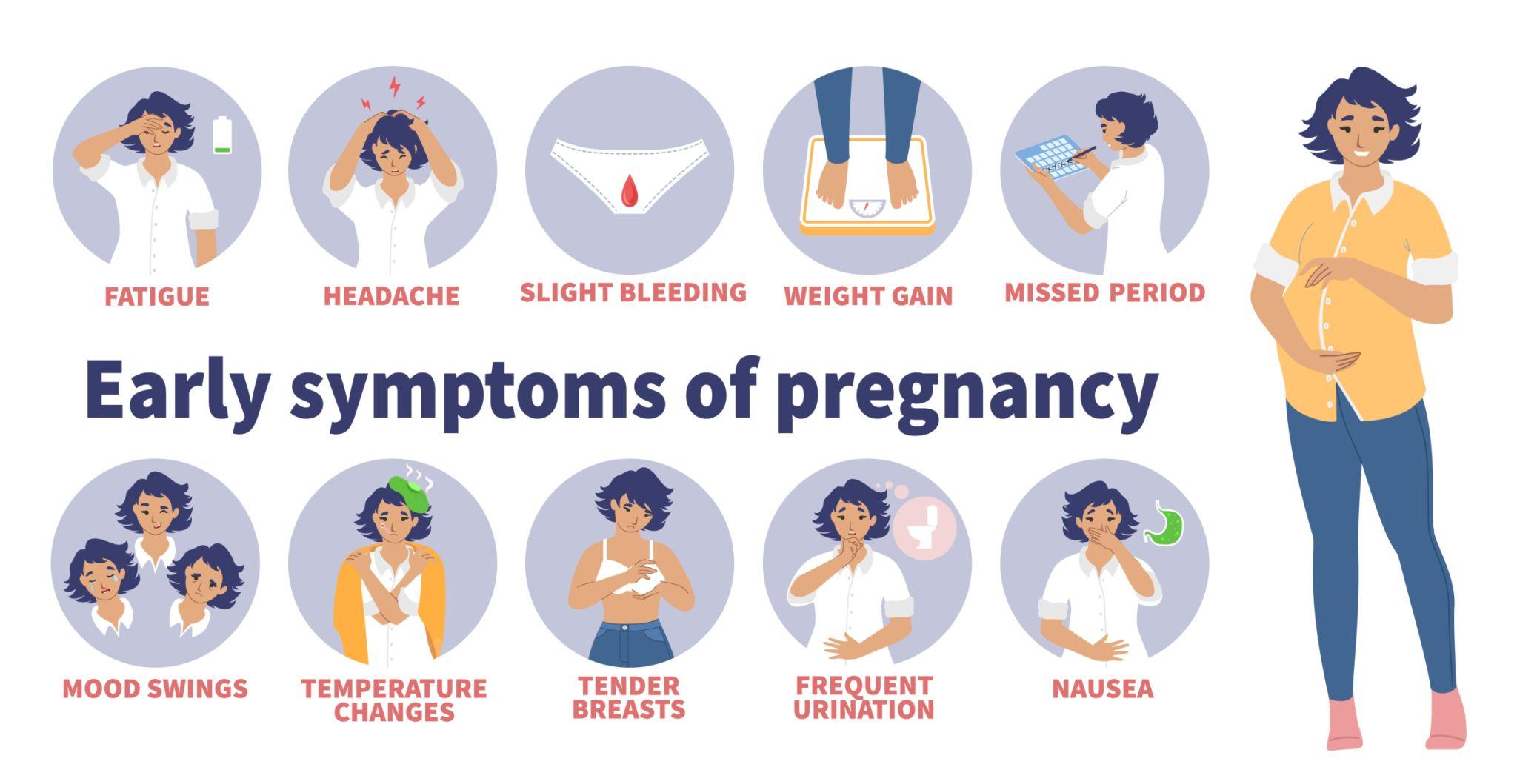
Early pregnancy is a very sensitive time for every woman. During the first few months, many physical and emotional changes happen in the body. Because of these changes, women may experience problems such as nausea, weakness, headache, body pain, stress, or fear.
Table of Contents
Most of these problems are normal and can be managed safely at home with proper care, rest, hygiene, and nutrition.
However, lack of awareness, poor hygiene, infections, malnutrition, and unsafe practices during early pregnancy can increase the risk of serious complications for both the mother and the baby.
Simple steps like cleanliness, proper food, rest, and timely medical advice can protect the mother and support healthy baby development.
This guide explains early pregnancy problems and safe solutions at home in a simple and practical way, especially for women and families, while also explaining when home care is not enough and medical help is needed.
Understanding Early Pregnancy (First Trimester Basics)
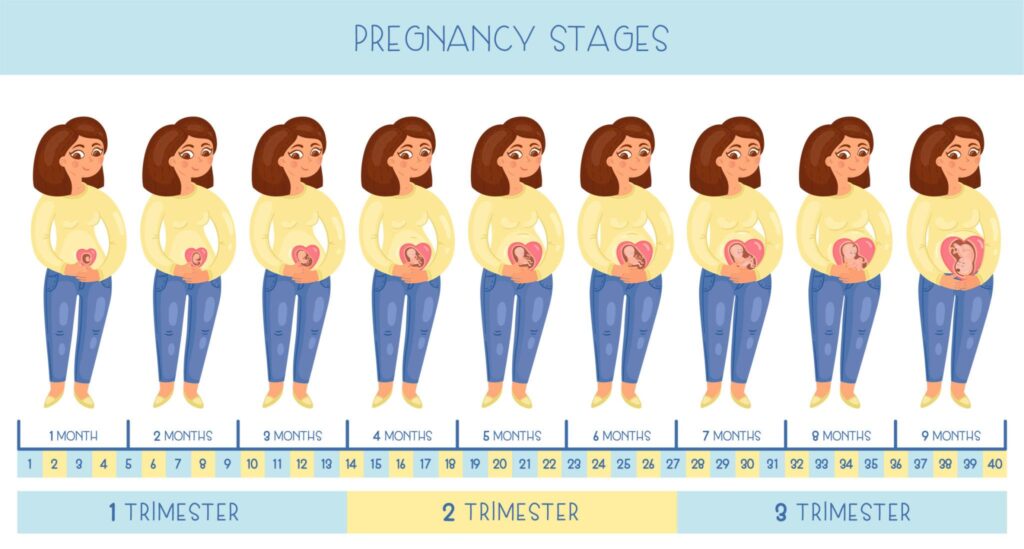
What Happens in the First 12 Weeks of Pregnancy
The first trimester (first 12 weeks) is the most important stage of pregnancy. During this time, the baby’s major organs begin to form, and the mother’s body starts adjusting to pregnancy hormones. Because of these changes, women may feel tired, weak, dizzy, or sick.
In early pregnancy:
- Hormonal changes affect digestion and mood
- The immune system becomes more sensitive
- The body needs more nutrition and rest
- Risk of infection is higher if hygiene is poor
This is why cleanliness, proper food, vaccination advice, and rest are very important in early pregnancy.
Why Early Pregnancy Problems Are Common
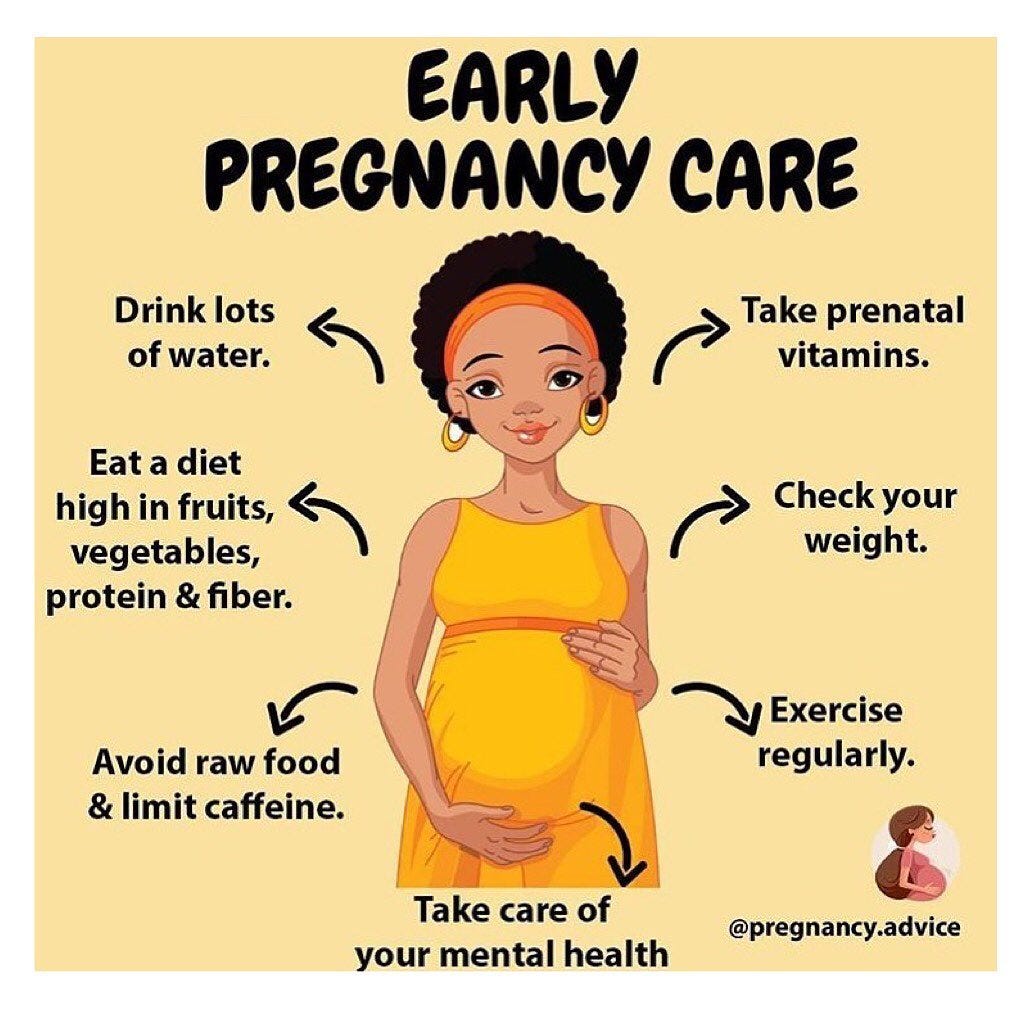
Early pregnancy problems are common because the body is learning to support a growing baby. Many women are not aware of the extra care needed at this stage. Problems can increase due to:
- Poor nutrition or eating less food than required
- Lack of personal hygiene and clean surroundings
- Infections caused by dirty hands, tools, or environment
- Heavy work, stress, or lack of rest
- Unsafe use of medicines without medical advice
Some conditions, like infections during pregnancy, can be dangerous if ignored. That is why prevention through cleanliness, vaccination guidance, and healthy habits is the safest home-based approach.
⚠️ Home care helps with common discomforts, but severe pain, bleeding, high fever, or breathing difficulty require immediate medical attention.
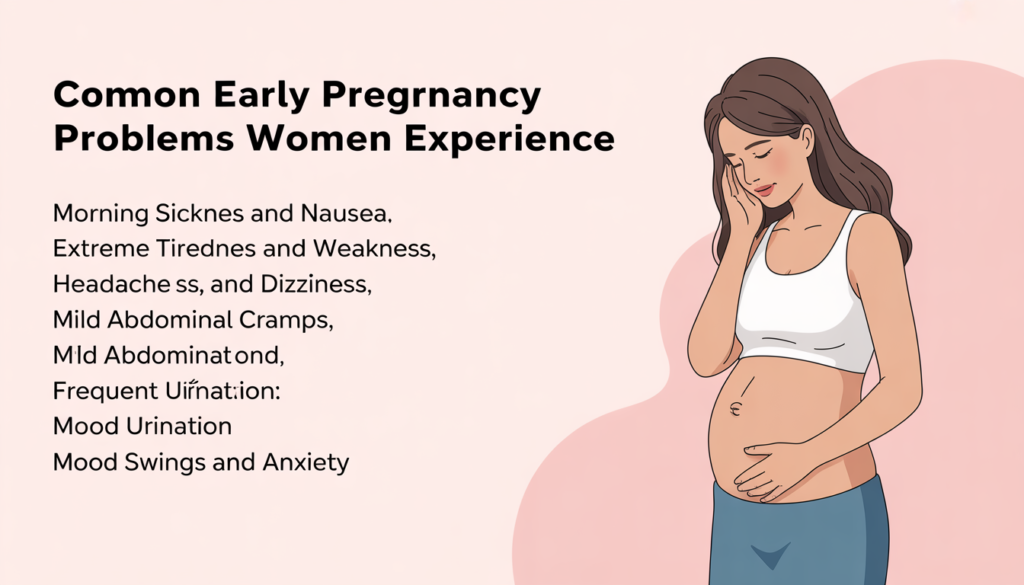
Common Early Pregnancy Problems Women Experience
During early pregnancy, many women experience physical and emotional problems. These problems usually happen because the body is changing to support the growing baby. Most early pregnancy problems are normal, but they should be understood clearly so that safe care can be taken at home and serious risks can be avoided.
Morning Sickness and Nausea
Morning sickness is one of the most common early pregnancy problems. It can happen at any time of the day, not only in the morning. Hormonal changes, empty stomach, or strong smells can make nausea worse.
Poor nutrition and dehydration can increase weakness and make nausea more severe. Eating small amounts of food, keeping the stomach from becoming empty, and maintaining cleanliness in food preparation can help reduce this problem at home.
⚠️ If vomiting is severe and the woman cannot keep food or water down, medical advice is necessary.
Extreme Tiredness and Weakness
Feeling very tired or weak is common in early pregnancy. The body uses more energy to support the baby’s growth. If a pregnant woman does not eat enough nutritious food or does heavy work, weakness becomes worse.
Malnutrition during pregnancy can affect the baby’s growth and may lead to low birth weight or illness after birth. Proper rest during the day, reducing hard work, and eating a balanced diet help manage weakness safely at home.
Headache and Dizziness
Headache and dizziness may occur due to hormonal changes, low blood sugar, dehydration, or lack of rest. Poor eating habits and skipping meals can also cause these symptoms.
Regular meals, drinking enough clean water, and resting in a well-ventilated room can reduce headaches. Clean surroundings and fresh air are important, as poor hygiene and infections can also worsen health during pregnancy.
Mild Abdominal Cramps
Mild abdominal cramps can happen as the uterus grows and stretches. These cramps are usually normal if they are not severe and are not accompanied by bleeding or fever.
Resting, avoiding heavy physical work, and maintaining personal hygiene can help prevent complications. However, strong pain, stiffness, or difficulty breathing is not normal and requires urgent medical attention.
Frequent Urination
Frequent urination is common in early pregnancy due to hormonal changes and pressure on the bladder. This is usually normal, but poor hygiene can increase the risk of urinary infections.
Keeping the genital area clean, washing hands with soap, and using clean toilets are very important. Infections during pregnancy can be dangerous for both the mother and the baby if ignored.
Mood Swings and Anxiety
Hormonal changes, fear of pregnancy complications, and physical discomfort can cause mood swings, anxiety, or emotional stress. Lack of rest and poor health can make emotional problems worse.
Support from family, proper rest, and reassurance help reduce anxiety. Pregnant women should be encouraged to talk about their concerns and seek medical advice if stress becomes severe or affects daily life.
Important Note for Safety
Most early pregnancy problems can be managed safely at home, but bleeding, high fever, severe pain, muscle stiffness, breathing difficulty, or inability to eat or drink are danger signs and need immediate medical care.
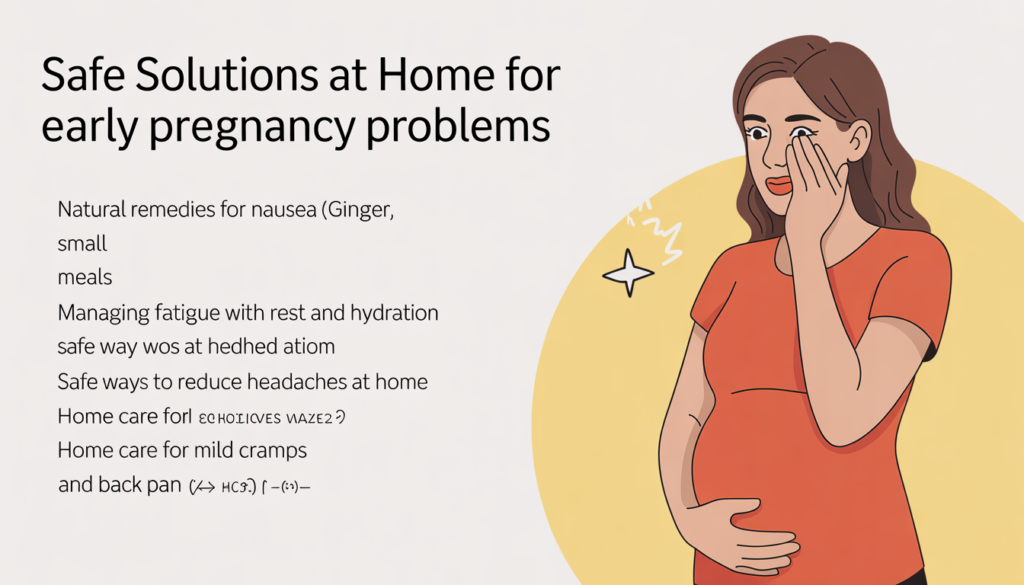
Safe Solutions at Home for Early Pregnancy Problems
Most early pregnancy problems can be managed safely at home if proper care is taken. Simple habits such as cleanliness, adequate rest, nutritious food, and avoiding heavy work help protect both the mother and the developing baby. Home solutions are supportive and preventive, but they should never replace medical care when symptoms become severe.
Natural Remedies for Nausea (Ginger, Small Meals)
Nausea and vomiting are common in early pregnancy. Keeping the stomach empty can worsen nausea. Eating small meals several times a day helps reduce discomfort.
Safe home solutions include:
- Eating small, frequent meals instead of large ones
- Using ginger in food or tea to ease nausea
- Avoiding oily, spicy, or strong-smelling foods
- Drinking clean water in small amounts
Food hygiene is very important. Food should be prepared with clean hands and clean utensils to prevent infections that can harm both mother and baby.
If vomiting is so intense that food or fluids cannot be kept down, professional medical care is required.
Managing Fatigue with Rest and Hydration
Extreme tiredness is common because the body works harder during pregnancy. Lack of nutrition, dehydration, and heavy work can increase weakness.
Safe home care includes:
- Take time to rest during the day, ideally for one to two hours, to support your body’s recovery.
- Reducing hard and tiring work, especially in early pregnancy
- Drinking enough clean water and healthy fluids
- Eating nutritious foods such as vegetables, fruits, eggs, milk, beans, lentils, and grains
Good nutrition does not mean expensive food. Basic foods such as lentils, flatbread, rice, buttermilk, ghee, and locally available vegetables can offer strong nutritional value.
Safe Ways to Reduce Headaches at Home
Headaches may happen due to stress, poor sleep, dehydration, or low food intake. Clean air and a calm environment help reduce discomfort.
Home solutions include:
- Resting in a quiet, well-ventilated room
- Drinking enough water
- Eating regular meals
- Avoiding unnecessary medications without medical advice
Personal hygiene, clean surroundings, and avoiding smoke are also important, as poor hygiene and infections can worsen health during pregnancy.
Home Care for Mild Cramps and Back Pain
Mild abdominal cramps and back pain can occur as the body changes during pregnancy. These are usually normal if they are not severe.
Safe home care includes:
- Taking adequate rest and avoiding heavy lifting
- Lying down to reduce leg swelling and body strain
- Keeping the body warm and comfortable
- Maintaining cleanliness to reduce infection risk
However, severe pain, bleeding, muscle stiffness, fever, or breathing difficulty are not normal and require immediate medical care.
Important Safety Reminder
Home solutions help with common discomforts, but vaccination advice, hygiene during childbirth, and medical consultation are essential parts of pregnancy care. Never delay seeking professional help when danger signs appear.
Foods and Drinks That Help in Early Pregnancy
Good nutrition in early pregnancy is very important because the baby’s organs begin forming in the first trimester. If a pregnant woman does not eat enough or eats an unbalanced diet, it may lead to low birth weight, weakness, premature birth, or frequent illness in the baby after birth.
Healthy food does not mean expensive food. Simple, clean, and balanced meals are enough to support both mother and baby.
Best Foods for First Trimester
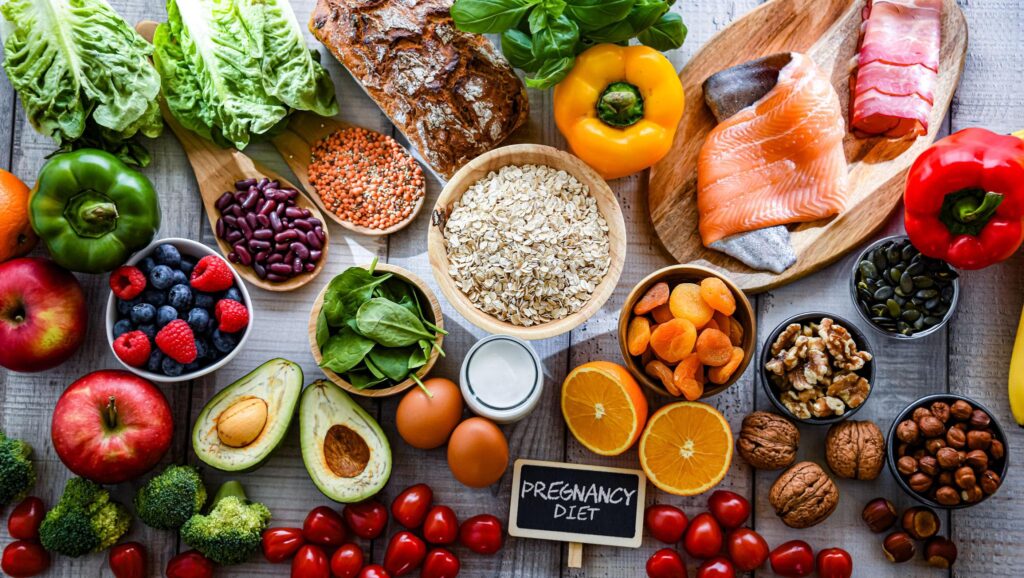
During early pregnancy, women should eat slightly more than their normal diet and include different types of food to meet nutritional needs.
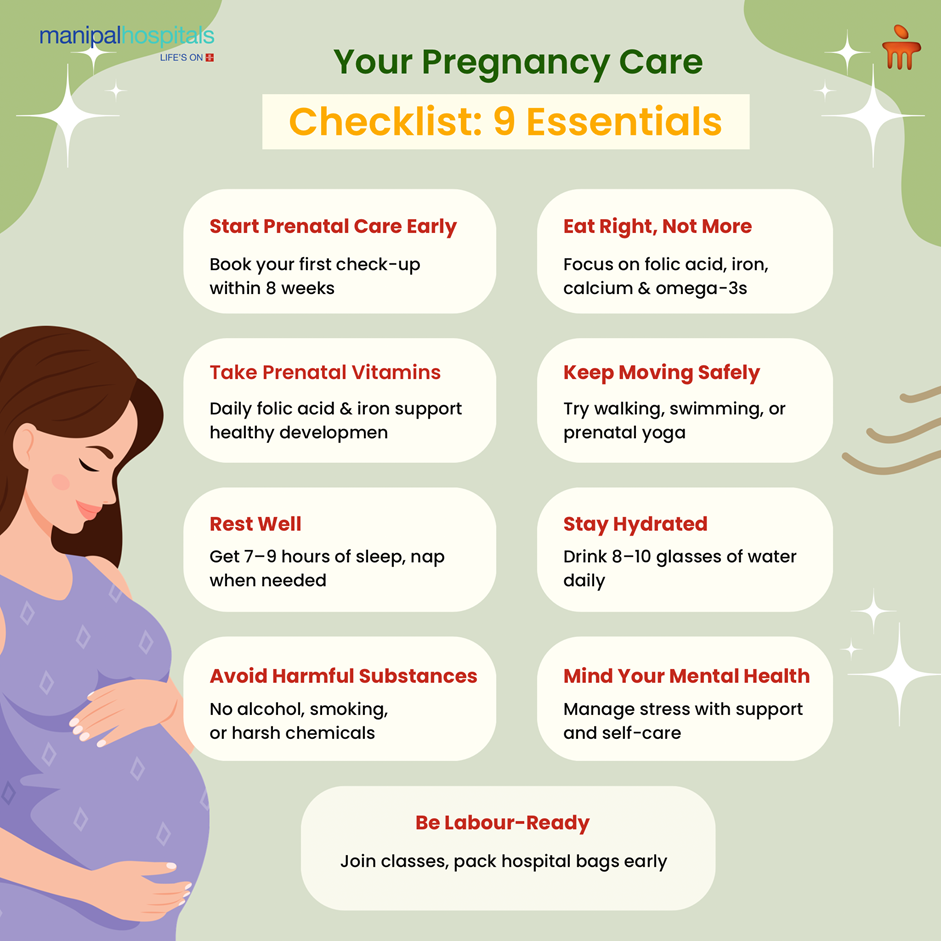
Healthy food choices include:
- Fresh vegetables and seasonal fruits
- Eggs, fish, and milk
- Beans and lentils
- Rice, roti, and whole grains
- Buttermilk, yogurt, and healthy fats in small amounts
Eating a variety of foods helps provide iron, protein, calcium, and energy. Even simple foods like lentils, rice, roti, and vegetables provide excellent nutrition when eaten regularly.
It is also important that food is:
- Prepared with clean hands
- Cooked properly
- Stored safely
- Protected from flies and dirt
Clean food reduces the risk of infections that can harm pregnancy.
What to Drink for Nausea and Weakness
Hydration is very important in early pregnancy. Dehydration can increase dizziness, headache, and fatigue.
Safe drinks include:
- Clean, boiled, or filtered water
- Warm ginger tea (in moderate amounts)
- Lemon water
- Milk
- Buttermilk
Drinking small amounts frequently helps reduce nausea. Sugary drinks and excessive caffeine should be limited.
Women who vomit frequently should try sipping fluids slowly to prevent dehydration.
Foods to Avoid in Early Pregnancy
Some foods and substances can harm the baby’s development, especially in the first three months.
Pregnant women should avoid:
- Smoking, hookah, snuff, and cigarettes
- Alcohol
- Unnecessary medications without doctor consultation
- X-rays during the first trimester unless medically required
- Unclean or undercooked food
Unsafe medicine use in early pregnancy may cause birth defects or low birth weight. Speak with a qualified healthcare professional before using any medicine during pregnancy.
Maintaining personal hygiene, washing hands with soap before eating, and keeping nails short and clean also help prevent harmful infections.
Important Safety Reminder
Balanced nutrition, clean food, safe drinks, rest, and medical guidance work together to protect early pregnancy. Severe vomiting, inability to eat, high fever, or signs of infection require medical attention.
Daily Habits That Reduce Early Pregnancy Problems
Healthy daily habits play a very important role in reducing early pregnancy problems. Many discomforts such as weakness, swelling, headache, anxiety, and infection risk can be reduced by simple changes in routine.
Early pregnancy is not a disease, but it is a sensitive stage. The body needs more rest, better nutrition, clean surroundings, and emotional support.
Sleep Position and Rest Tips
Adequate rest helps the body recover and supports healthy baby development. Lack of sleep and heavy physical work can increase fatigue and stress.
Healthy rest habits include:
- Lying down and resting for one to two hours during the day
- Avoiding hard and tiring work, especially as pregnancy progresses
- Sleeping in a comfortable, well-ventilated room
- Keeping the sleeping area clean and free from dust
Resting during the day helps reduce swelling in the legs and relieves body strain. A calm and clean environment supports better breathing and overall comfort.
Women should avoid overexertion. Excessive physical stress may increase the risk of complications.
Light Exercise and Walking
Light physical activity improves blood circulation, reduces stress, and helps prevent stiffness and back pain.
Safe daily movement includes:
- Gentle walking
- Light stretching
- Avoiding heavy lifting or intense physical labor
Exercise should always be moderate. If dizziness, pain, or discomfort occurs, activity should be stopped immediately.
Clean clothing, personal hygiene, and washing hands after activity are important to reduce infection risk.
Stress Management at Home
Hormonal changes, fear of complications, and physical discomfort can cause emotional stress in early pregnancy. Caring for your emotional health is equally important as maintaining your physical well-being.
Helpful stress-reducing habits include:
- Talking openly with family members
- Taking regular rest breaks
- Maintaining personal hygiene and self-care
- Keeping the body and clothes clean
- Combing hair daily and caring for personal appearance
Simple self-care activities improve confidence and mental calmness. Avoid exposure to smoking and unhealthy environments, as these may increase both physical and emotional stress.
Support from family members is very important. Pregnant women should not feel alone or burdened with heavy responsibilities.
Important Reminder
Healthy daily habits reduce common early pregnancy problems, but they do not replace medical care. Severe swelling, persistent headaches, breathing difficulty, or unusual symptoms require consultation with a healthcare provider.
When Home Solutions Are NOT Enough
Home care can reduce many common early pregnancy discomforts, but some symptoms are danger signs. Ignoring serious warning signs can put both the mother and baby at risk. Early pregnancy is a sensitive period, and infections or complications can become severe if not treated on time.
Home remedies are supportive only. They do not replace professional medical care.
Warning Signs You Should Not Ignore
Seek medical attention immediately if any of the following occur:
- Heavy vaginal bleeding
- Severe abdominal pain or strong cramps
- High fever
- Muscle stiffness or body rigidity
- Difficulty breathing
- Severe vomiting (unable to keep food or water down)
- Severe headache with vision problems
- Signs of infection such as foul discharge
Infections during pregnancy can spread quickly, especially if hygiene is poor. Clean hands, clean surroundings, and safe childbirth preparation reduce risk, but once serious symptoms appear, professional care is necessary.
When to Call a Doctor or Go to Urgent Care
Pregnant women should contact a healthcare provider if:
- Symptoms suddenly worsen
- There is persistent dizziness or fainting
- There are signs of dehydration
- There is concern about medication use
- An X-ray or medical procedure is recommended
Avoid taking any medication during the first three months without medical advice. Unsafe drug use in early pregnancy may lead to birth defects or low birth weight.
Vaccination advice and proper prenatal checkups are important to prevent serious infections such as tetanus.
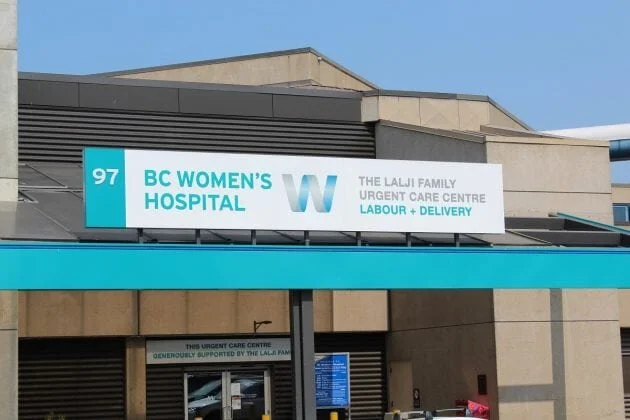
In the USA and Europe, urgent care centers or maternity units are available for emergency pregnancy concerns. It is always safer to seek help early rather than delay treatment.
Early Pregnancy Care Tips for Working Women
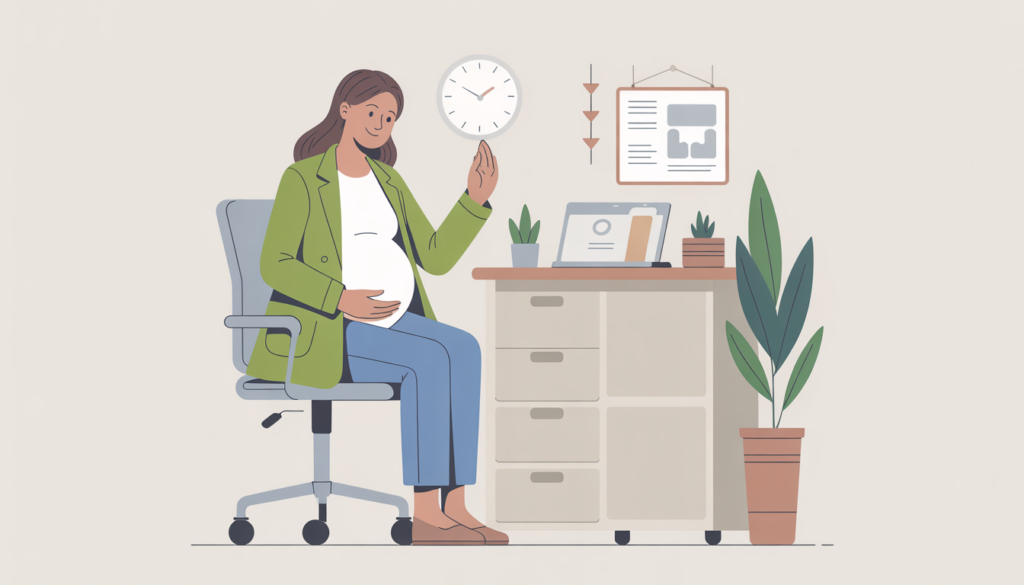
Many women continue working during early pregnancy. With proper planning and safe routines, pregnancy can be managed comfortably while working.
Working women must pay special attention to rest, hygiene, nutrition, and stress management.
Managing Pregnancy Symptoms at Work
To manage symptoms safely:
- Eat small meals during breaks
- Drink clean water regularly
- Avoid standing for long periods
- Take short rest breaks when possible
- Avoid heavy lifting or physically demanding tasks
If the job involves exposure to chemicals, smoke, or harmful substances, discuss safety with an employer and healthcare provider.
Maintaining personal hygiene at work is very important. Clean your hands thoroughly with soap after using the toilet and before handling food. Keep nails short and clean.
Safe Routines for Busy Schedules
Busy schedules can increase stress and fatigue. Safe daily routines include:
- Sleeping early to ensure adequate rest
- Preparing healthy meals in advance
- Wearing comfortable clothing
- Avoiding smoking areas
- Reducing unnecessary travel during extreme fatigue
Even during busy days, a pregnant woman should try to rest for at least one to two hours daily. Hard and exhausting work, especially in later months, can increase the risk of premature birth.
Emotional support from family and workplace understanding greatly improves pregnancy health.
Final Safety Reminder
Cleanliness, nutrition, rest, vaccination guidance, and medical consultation work together to protect early pregnancy. When symptoms are unusual, severe, or frightening, professional medical care is essential.
Final Advice for a Healthy Early Pregnancy
Early pregnancy is a delicate and important time. Many problems experienced during this stage are normal and can be managed safely at home with proper care. Cleanliness, good nutrition, adequate rest, and emotional support play a major role in protecting both the mother and the developing baby.
Simple daily habits such as eating balanced food, drinking clean water, maintaining personal hygiene, and avoiding hard work help reduce common pregnancy discomforts. Safe home solutions are helpful, but they should always be combined with awareness of danger signs.
Pregnant women should avoid unnecessary medications, smoking, alcohol, and unsafe practices. Vaccination guidance, clean surroundings, and timely medical advice help prevent serious infections and complications.
Most importantly, a pregnant woman should not feel alone. Support from family, understanding at work, and reassurance improve both physical and emotional well-being. When something feels unusual or worrying, it is always better to seek medical help early.
A healthy early pregnancy begins with small, careful steps taken every day. With awareness, patience, and proper care, most women can move forward confidently toward a safe and healthy pregnancy.
Leave a Reply