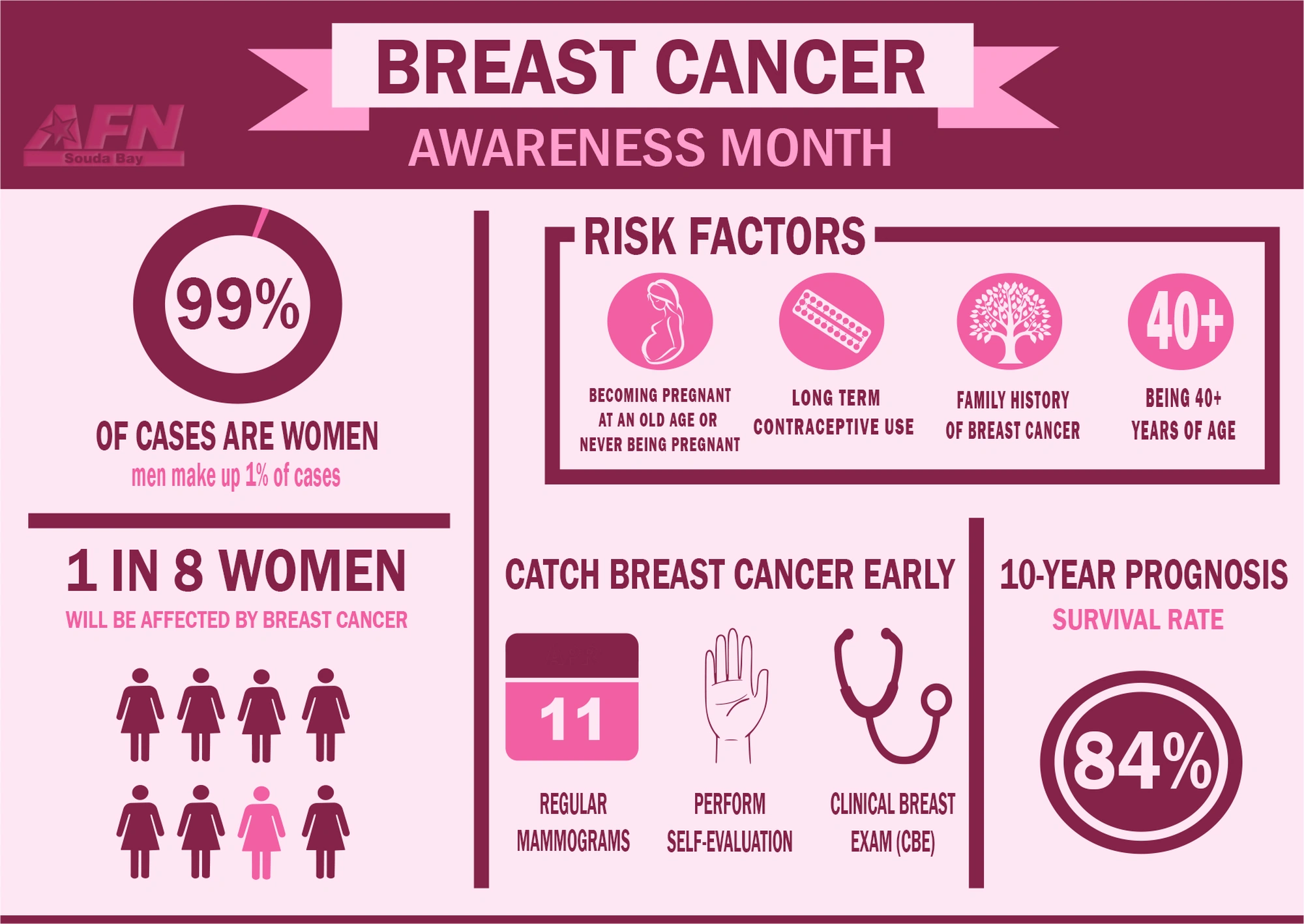
Pregnancy causes many natural changes in a woman’s breasts, including tenderness, enlargement, and changes in nipple shape.
While most of these changes are normal, they can sometimes hide problems that may affect breastfeeding or, rarely, signal a medical concern.
Table of Contents
This is why breast self-examination during pregnancy is recommended by doctors as a safe and helpful practice.
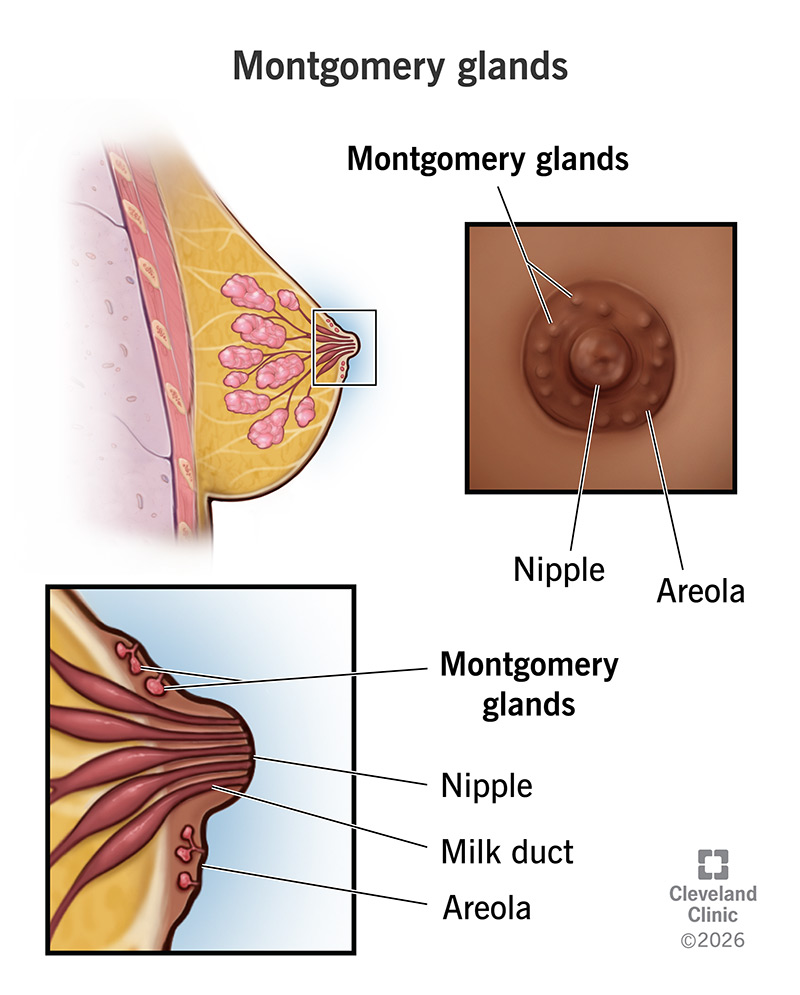
Breast examination should ideally begin early in pregnancy. One important part of the self-exam is checking the nipples and areola. Gently massaging or stimulating the nipple helps assess whether it protrudes normally.
A healthy nipple usually becomes straight and comes out easily when touched. Light pressure around the areola can also show whether the nipple protrudes properly.
This examination is not done to create fear—it is meant to prepare the mother for successful breastfeeding. If everything feels and looks normal, the mother can be reassured that she is likely to breastfeed her baby without difficulty.
Women with flat or inward-curved (inverted) nipples should not feel discouraged. With simple daily care—such as gently pulling the nipple outward using the thumbs—and proper guidance, most women can breastfeed normally.
If the nipples remain deeply inverted or difficult to correct, consulting a lady doctor or Lady Health Visitor (LHV) at a health center can help identify safe solutions.
This doctor-approved guide combines medical guidance with practical self-care steps to help pregnant women understand their breast changes, perform self-examination correctly, and seek help at the right time—protecting both maternal health and future breastfeeding success.
How to Maintain Menstrual Health Step by Step (Complete Women’s Guide)
Learn simple daily habits, diet tips, and medical advice to keep your menstrual cycle regular and healthy.
Why Breast Self-Examination Is Important During Pregnancy
Is Breast Self-Examination During Pregnancy Really Necessary?
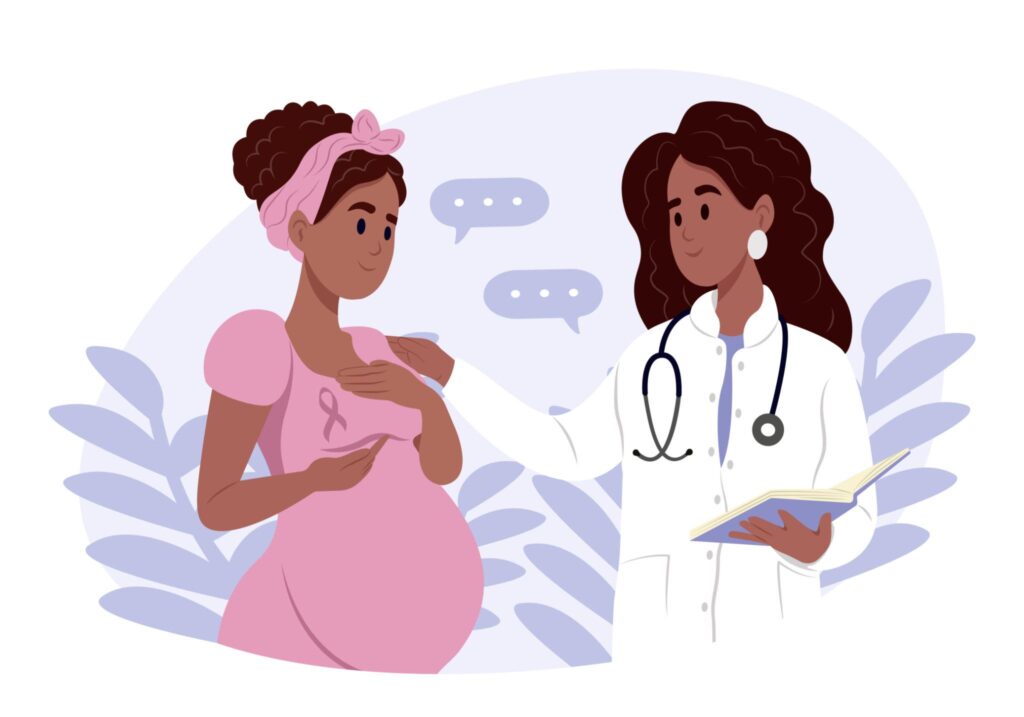
Many pregnant women believe breast changes are always normal and therefore ignore self-checks. However, doctors recommend breast self-examination during pregnancy because it helps women become familiar with their changing breasts.
Early examination—starting in the first months of pregnancy—also allows assessment of nipple shape and protractility, which is important for successful breastfeeding later. This simple habit reassures mothers when everything is normal and encourages timely care when it is not.
Hormonal Changes vs Real Warning Signs
Pregnancy hormones cause natural breast changes such as enlargement, tenderness, visible veins, and a heavier feeling. These are normal and expected. However, not all changes are hormonal.
Hard or fixed lumps, persistent pain in one area, skin dimpling, redness, or abnormal nipple discharge are not normal pregnancy changes. Regular self-examination helps distinguish between expected hormonal effects and true warning signs that need medical attention.
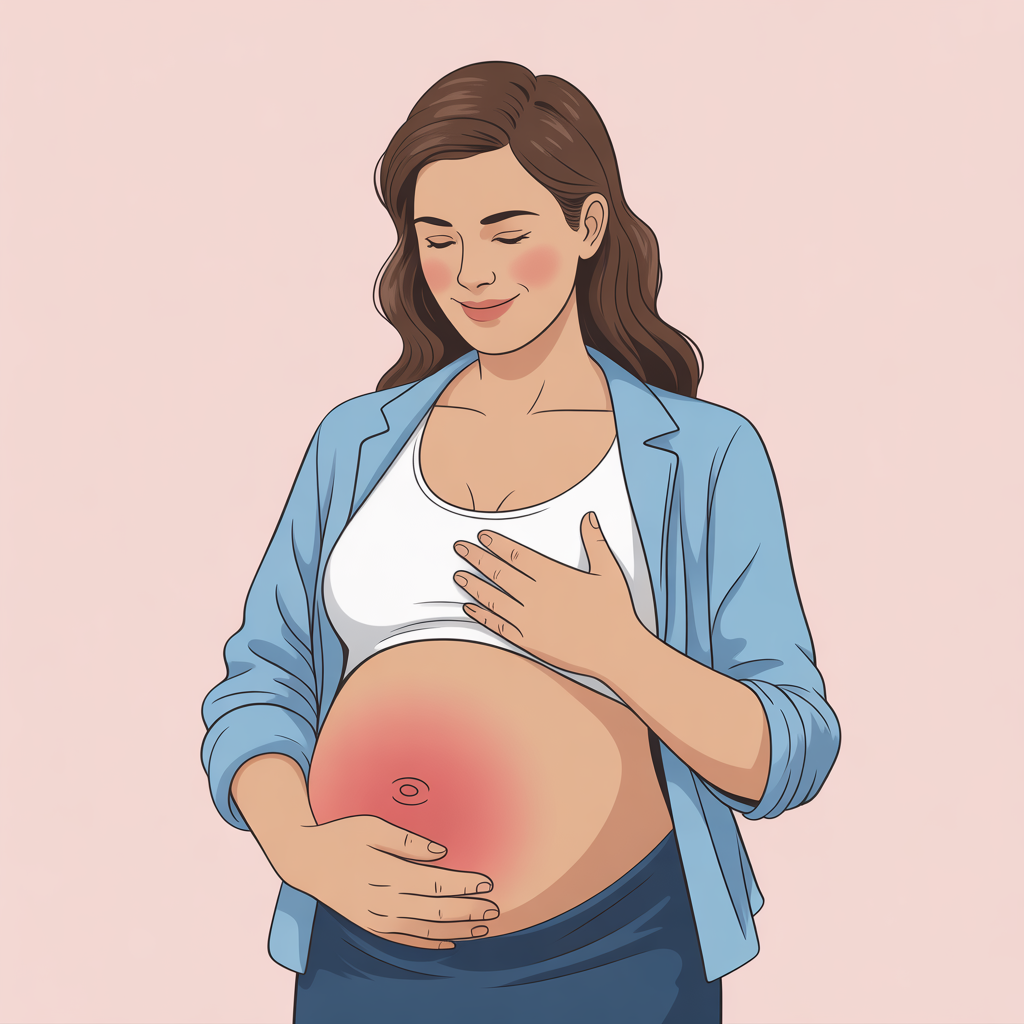
Why Pregnancy Can Hide Serious Breast Problems
As the breasts grow and become lumpy due to developing milk glands, abnormal changes can easily be overlooked. Pregnancy may also delay concern because women assume every change is related to preparing for breastfeeding.
Without regular self-examination, conditions such as infections, blocked ducts, or rare but serious breast diseases may go unnoticed. Early checking of the nipple and areola, as recommended in antenatal care, helps detect problems before they become difficult to manage.
Early Detection Benefits for Mother and Baby
Early detection through breast self-examination benefits both mother and baby. For the mother, it allows early medical advice, reduces anxiety, and improves confidence in breastfeeding—especially if flat or inverted nipples are identified early and corrected with guidance.
For the baby, early preparation supports successful breastfeeding, ensuring proper nutrition, immunity, and bonding after birth.
In summary, breast self-examination during pregnancy is a preventive, safe, and doctor-approved practice that protects maternal health, supports breastfeeding, and promotes the well-being of the baby.
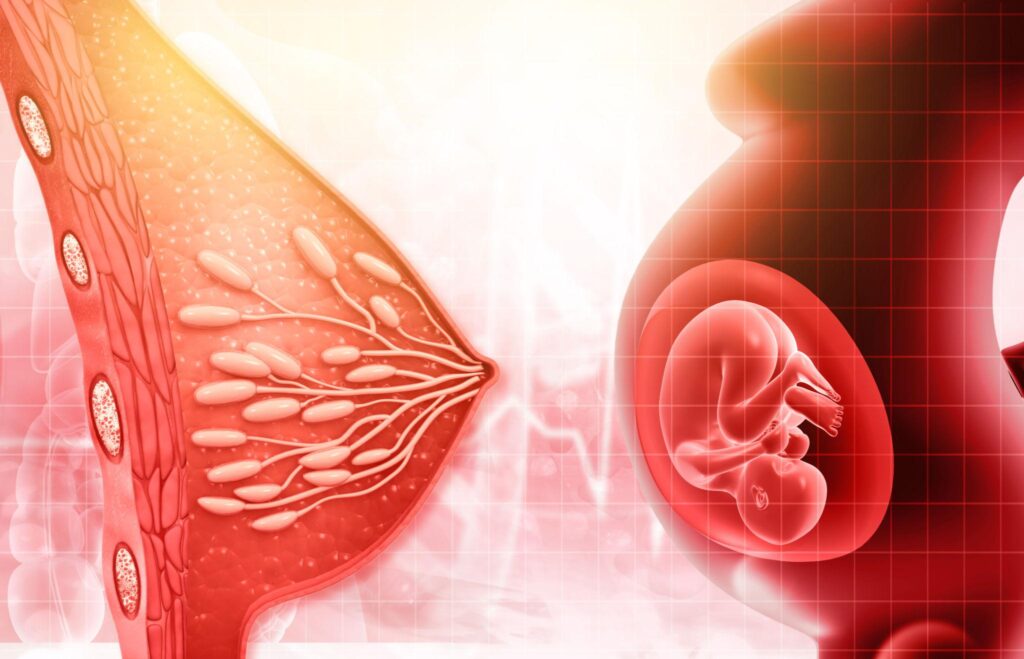
Is Breast Self-Examination Safe During Pregnancy?
Many pregnant women avoid checking their breasts because of fear. Some worry it might harm the baby, cause pain, or create complications. Let’s address these concerns clearly and safely.
1. Medical Reassurance
Yes, breast self-examination during pregnancy is safe when done gently. Doctors recommend early breast assessment as part of antenatal care. Checking the breasts or nipples does not affect the uterus or the baby.
In fact, early examination—especially checking nipple shape and protractility—helps prepare the mother for breastfeeding. If the nipple becomes straight and protrudes when gently stimulated, it is considered normal. This type of checking is simple, safe, and helpful.
The purpose is prevention, not fear. It helps women:
- Understand normal pregnancy changes
- Identify potential breastfeeding challenges early
- Seek help if something unusual is found
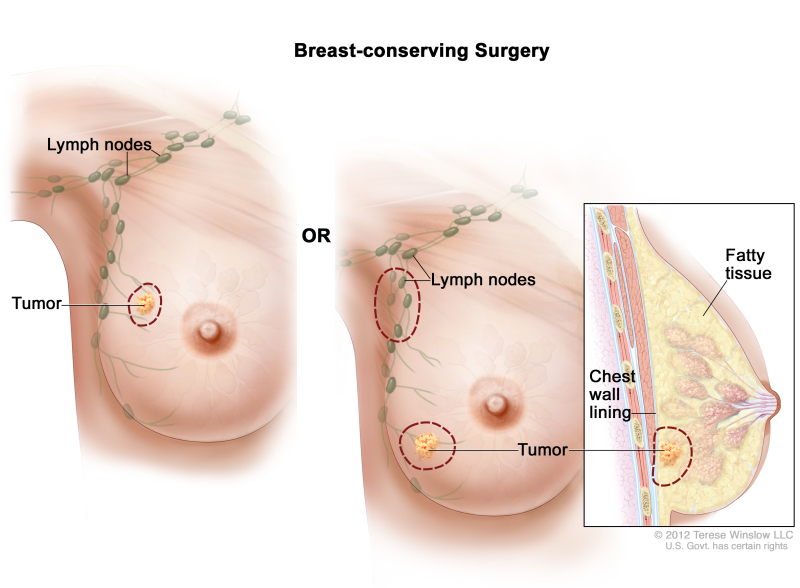
2. What Is Safe to Touch — and What Is Not
During pregnancy, breasts may feel tender. Self-examination should always be gentle and comfortable.
Safe practices:
- Lightly observing breasts in front of a mirror
- Gently pressing around the areola to check nipple protrusion
- Using the pads of fingers (not nails) to feel for unusual lumps
- Mild outward stretching of flat or slightly inverted nipples using thumbs
Avoid:
- Squeezing too hard
- Causing pain or injury
- Using sharp objects or unsafe devices
- Excessive stimulation that causes discomfort
If nipples are deeply inverted or do not respond to gentle exercises, consult a lady doctor or Lady Health Visitor (LHV) for proper guidance instead of trying aggressive methods at home.
In What Situations Pregnancy Becomes Difficult for Women
This guide explains medical, physical, and lifestyle conditions that can make pregnancy challenging for women.
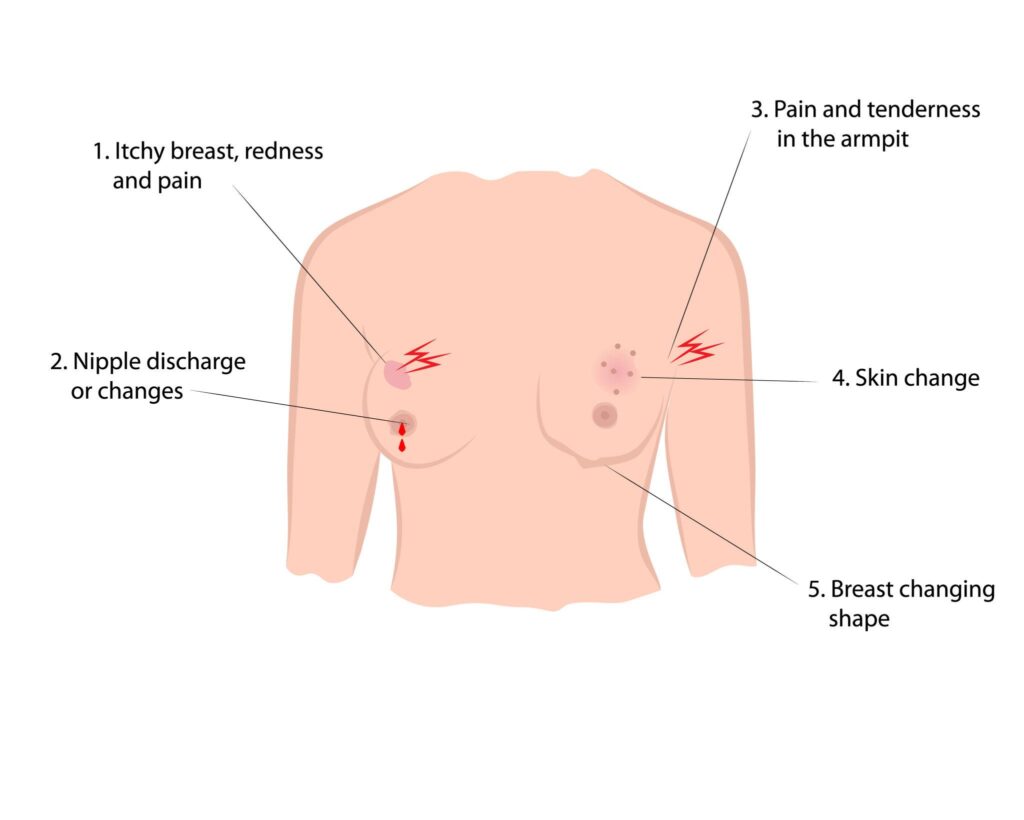
3. Common Myths That Stop Women From Checking
Many women avoid breast self-examination because of misinformation. Let’s correct some common myths:
❌ Myth: Touching the breasts can harm the baby.
✔ Fact: Gentle breast examination does not affect the baby at all.
❌ Myth: All breast lumps during pregnancy are normal.
✔ Fact: Many changes are normal, but some lumps require medical evaluation.
❌ Myth: Many people believe that women with flat or inverted nipples cannot breastfeed, but with proper guidance and support, successful breastfeeding is usually possible.
✔ Fact: With early guidance and simple daily exercises, most women can breastfeed successfully.
❌ Myth: Breast exams are only necessary for older women.
✔ Fact: Pregnancy is actually an important time to monitor breast health.
Myths vs ✅ Facts: Breast Self-Examination During Pregnancy
| Common Myth | Medical Fact (Doctor-Approved) |
|---|---|
| Myth 1: Breast self-examination is unsafe during pregnancy | Fact: BSE is safe when done gently. Doctors recommend light to medium pressure self-checks throughout pregnancy. |
| Myth 2: All breast lumps during pregnancy are normal | Fact: Many lumps are hormonal, but not all. Hard, fixed, or one-sided lumps need medical evaluation. |
| Myth 3: Touching breasts too often can harm the baby | Fact: Breast examination does not affect the baby. Breasts are not connected to the uterus. |
| Myth 4: Breast pain is always normal in pregnancy | Fact: General tenderness is common, but persistent pain in one area is not normal. |
| Myth 5: Doctors will find problems during routine visits | Fact: Many breast issues are first noticed by women themselves between appointments. |
| Myth 6: Breast cancer doesn’t happen during pregnancy | Fact: Pregnancy-associated breast cancer is rare but real, and often detected late due to myths like this. |
Why This Information Matters
Clear guidance reduces fear and builds confidence. When women understand that breast self-examination during pregnancy is safe and beneficial, they are more likely to perform regular checks and seek help when needed.
Providing accurate, reassuring information builds trust, authority, and long-term reader loyalty—helping mothers feel supported throughout pregnancy and beyond.
Best Time to Perform Breast Self-Examination While Pregnant
Many pregnant women ask, “When should I check my breasts during pregnancy?” Because the body is constantly changing, choosing the right time and frequency for breast self-examination helps reduce confusion and improves accuracy.

Best Day of the Month for Breast Self-Examination
Unlike before pregnancy—when breast exams are often linked to the menstrual cycle—there is no fixed menstrual date during pregnancy. Doctors recommend choosing one specific day each month that is easy to remember, such as:
- The first day of the month
- The date of a routine antenatal visit
Selecting a consistent day helps you notice changes over time. Early pregnancy breast examination is especially useful for checking nipple shape and protractility, as recommended in routine maternal care, so that breastfeeding difficulties can be addressed early if needed.
Trimester-Wise Guidance
First Trimester (Weeks 1–12)
This is the ideal time to start breast self-examination. Hormonal changes begin early, but the breasts are usually less heavy and tender than later. Early checking allows assessment of:
- Normal breast and nipple structure
- Flat or inward-curved nipples that may affect breastfeeding
Second Trimester (Weeks 13–27)
Breasts continue to grow and may feel fuller or lumpy due to milk gland development. Continue monthly self-examination, focusing on:
- New or persistent lumps
- Changes in nipple appearance
- Skin changes
Third Trimester (Weeks 28–Birth)
Breasts may become more sensitive and heavy. Self-examination should remain gentle. At this stage, the goal is not deep checking but:
- Awareness of unusual changes
- Ongoing nipple assessment in preparation for breastfeeding
If nipples are inverted or not improving, this is a good time to consult a lady doctor or Lady Health Visitor (LHV) for guidance before delivery.
When to Go to Hospital During Pregnancy
Know the warning signs and symptoms during pregnancy that require immediate hospital care to protect mother and baby.
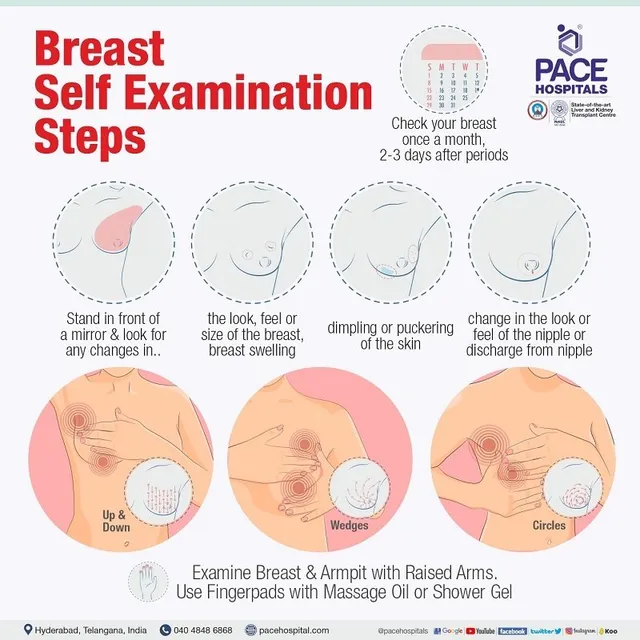
How Often Doctors Recommend Checking
Most doctors recommend breast self-examination once a month during pregnancy. Monthly checks are enough to:
- Recognize normal pregnancy-related changes
- Detect unusual signs early
- Prepare the breasts and nipples for breastfeeding
More frequent checking is not necessary and may increase anxiety. If pain, discharge, or a new lump appears at any time, medical advice should be sought immediately—regardless of the monthly schedule.
Why Timing Matters
Choosing the right time and following a regular schedule makes breast self-examination during pregnancy easier, safer, and more effective.
It also creates natural opportunities for internal linking to related topics such as normal breast changes during pregnancy, breastfeeding preparation, and when to see a doctor—helping readers navigate complete maternal care guidance.
How to perform breast self-examination during pregnancy
Normal Breast Changes During Pregnancy (So You Don’t Panic)
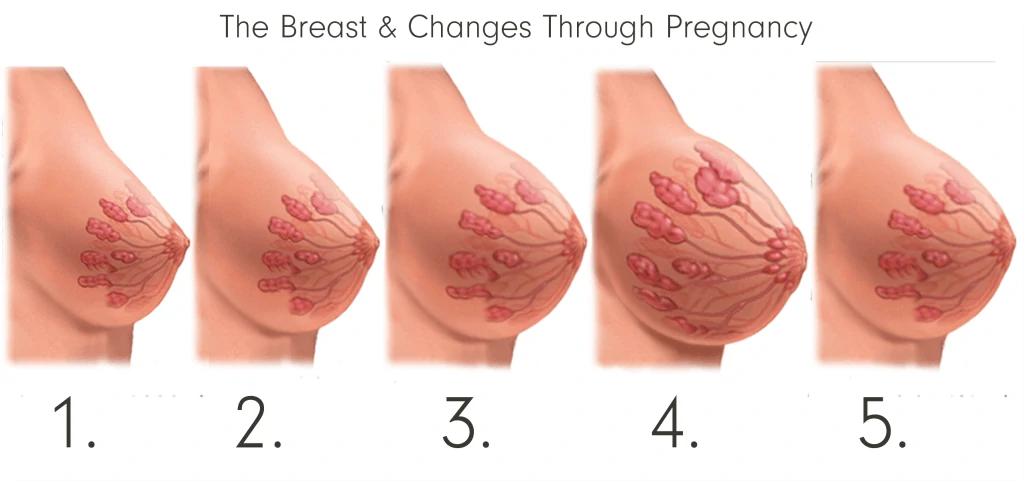
Breast changes are often one of the earliest signs of pregnancy. Because these changes can look and feel dramatic, many women worry unnecessarily. Understanding what is normal helps reduce anxiety and makes breast self-examination more meaningful.
Tenderness, Swelling, and Darkened Nipples
During pregnancy, rising hormone levels increase blood flow and glandular tissue in the breasts. This commonly causes:
- Breast tenderness or mild pain, especially in early pregnancy
- Swelling and fullness as milk-producing glands develop
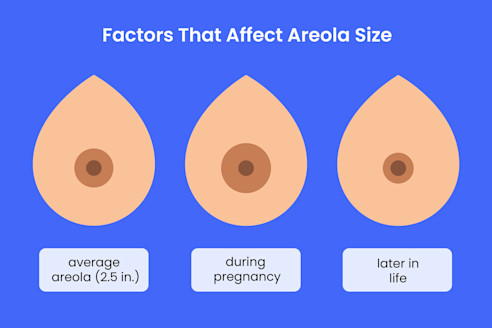
- Darkening of the nipples and areola, which helps the baby locate the nipple after birth
These changes are normal and expected. Gentle breast self-examination and nipple assessment, as recommended in antenatal care, will not harm the breasts or the baby.
Visible Veins, Milk Duct Development, and Texture Changes
As the breasts prepare for breastfeeding, you may notice:
- More visible blue veins due to increased blood supply
- A lumpy or nodular texture, caused by developing milk ducts
- Heaviness or tightness in the breasts
These changes can make the breasts feel unfamiliar. Regular self-examination helps you learn what is normal for your body, so unusual changes stand out more clearly. Pintrest
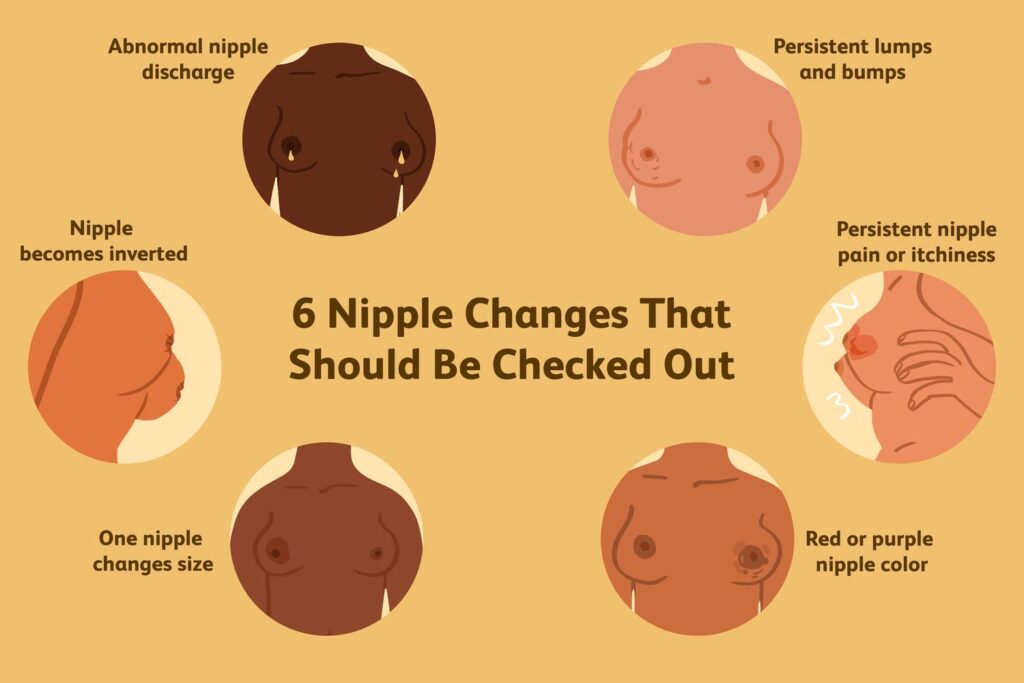
Normal Changes vs Changes That Are Not Normal
While most breast changes during pregnancy are harmless, some signs should not be ignored.
Usually normal:
- Mild, even tenderness in both breasts
- Symmetrical enlargement
- Nipples that become long, small, smooth, or slightly flat
- Nipples that protrude when gently stimulated
Not normal and need medical advice:
- A hard or fixed lump that does not move
- Redness, skin dimpling, or thickened skin
- Pain in one specific area that does not improve
- Bloody or pus-like nipple discharge
- Deeply inverted nipples that do not respond to gentle daily exercises
If nipples are curved inward and do not improve with gentle outward thumb exercises, consulting a lady doctor or Lady Health Visitor (LHV) is advised for safe correction.
Why Knowing Normal Changes Matters
When women understand normal breast changes during pregnancy, they are less likely to panic and more likely to perform regular self-examinations correctly.
This awareness improves confidence, supports early breastfeeding preparation, and keeps readers engaged—helping them feel informed, reassured, and supported throughout pregnancy.
Step-by-Step Guide to Breast Self-Examination During Pregnancy
This is the most important practical section of the guide. It combines doctor-approved technique with breastfeeding-focused checks (from your content) so women feel confident, safe, and prepared.
Step 1 Begin with a Visual Check in Front of a Mirror
Purpose: To notice visible changes that hands may miss.
Position yourself in front of a mirror and observe your breasts with your arms relaxed, then raised, and then placed on your hips:
- Relaxed at your sides
- Raised overhead
- Placed on your hips
What to look for:
- Changes in breast size or shape (one breast changing more than the other)
- Skin changes such as redness, dimpling, thickening, or puckering
- Nipple position and shape
- Does the nipple come out normally?
- Is it flat, smooth, long, or curved inward?
As recommended in antenatal care, gently stimulate or massage the nipple:
- A normal nipple should become straight and protrude
- Press lightly around the areola to check protractility
👉 Why this matters:
Early identification of flat or inverted nipples allows time for simple daily correction and helps prevent breastfeeding difficulties later.
Step 2 – Breast Examination While Standing or Sitting
Purpose: To feel breast tissue clearly, especially during bathing when skin is slippery.
Use the pads of your three middle fingers (not fingertips or nails).
Finger technique:
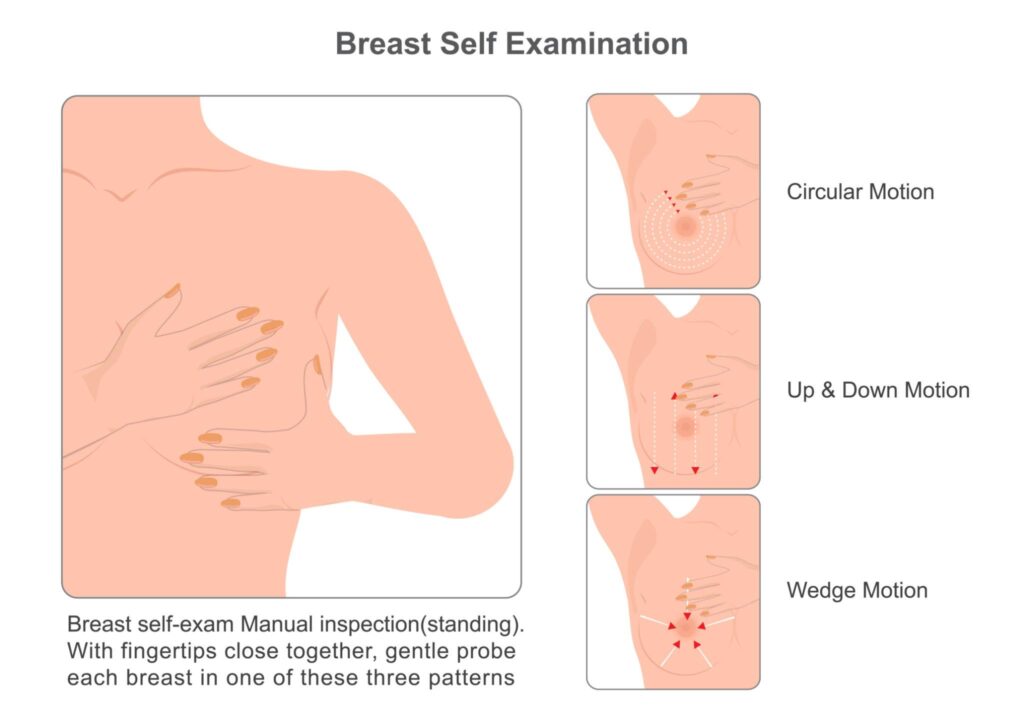
- Move fingers in small circular motions
- Cover one breast completely before switching
- Follow a pattern (circular, vertical lines, or wedge-shaped) to avoid missing areas
Pressure level safe in pregnancy:
- Light pressure for tissue just under the skin
- Medium pressure for deeper tissue
- Never press hard or cause pain
Check:
- Entire breast
- Under the breast
- Around the areola
- Toward the armpit area
Step 3 – Breast Examination While Lying Down
Purpose: Lying down spreads breast tissue evenly, making lumps easier to detect.
Lie on your back and place a pillow under the shoulder of the breast you are checking. Put that arm behind your head.
Why lying down matters:
- Reduces breast thicknes
- Improves detection of deeper changes
- Is often more comfortable in pregnancy
How to cover the entire breast area:
- Use the same finger technique as standing
- Start from the outer breast and move inward
- Include the nipple and areola
- Gently press around the nipple to observe protrusion
👉 If nipples remain deeply inverted or do not respond to gentle outward thumb exercises done daily, consult a lady doctor or Lady Health Visitor (LHV) for safe guidance.
Important Safety Notes (Doctor-Approved)
- Be gentle—breasts are sensitive during pregnancy
- Do not squeeze nipples aggressively
- Do not use unsafe tools or devices
- If you experience discomfort or pain at any point during the examination, stop immediately and consult a healthcare professional for advice
Why This Step-by-Step Method Works
✔ Reduces fear and confusion
✔ Supports early detection of problems
✔ Prepares nipples for breastfeeding
✔ Builds confidence and trust
✔ Ideal section for visuals, printable checklists, and email opt-ins
This simple routine, done once a month, helps pregnant women stay aware of their breast health while safely preparing for successful breastfeeding.
How Breast Self-Examination During Pregnancy Is Different From Normal Exams
Many women are familiar with breast self-examination before pregnancy, but pregnancy changes how and why the exam should be done. Understanding these differences helps reduce confusion and ensures the examination remains safe and effective.
Why Breast Self-Examination During Pregnancy Is Different
During pregnancy, the breasts are preparing for breastfeeding. Milk glands and ducts develop, blood flow increases, and nipples may change shape. Because of these changes, the goal of breast self-examination during pregnancy is awareness and preparation, not deep or aggressive checking.
In routine antenatal care, early breast assessment—especially of nipple shape and protractility—is emphasized to prevent future breastfeeding difficulties.
Pressure Differences
Before pregnancy, firmer pressure may be used during breast self-examination. During pregnancy, however:
- Gentle to moderate pressure is recommended
- Hard pressing is unnecessary and uncomfortable
- The focus is on noticing changes, not finding tiny lumps
Using excessive pressure can cause pain and anxiety without improving detection. Gentle examination is enough to identify unusual changes while protecting sensitive breast tissue.
Milk Duct Sensitivity
As pregnancy progresses, milk ducts enlarge and multiply, making the breasts feel lumpy or nodular. This is normal.
Key points to remember:
- Soft, movable lumpiness is often due to milk ducts
- Both breasts usually feel similar
- Sensitivity increases, especially in later pregnancy
This is why breast self-examination during pregnancy focuses on recognizing your normal pattern, rather than comparing your breasts to how they felt before pregnancy.
What NOT to Do While Pregnant
To keep breast self-examination safe, avoid the following:
- ❌ Do not squeeze nipples forcefully
- ❌ Do not press hard or cause pain
- ❌ Do not use unsafe devices or tools
- ❌ Do not try aggressive methods to correct inverted nipples
❌ Unsafe Practices to Avoid During Pregnancy
| ❌ What NOT to Do | ⚠️ Why You Should Avoid It | ✅ Safe Alternative |
|---|---|---|
| Do not squeeze nipples forcefully | Can cause pain, irritation, or nipple injury | Observe nipples gently for discharge or changes |
| Do not press hard or cause pain | Excess pressure can bruise sensitive breast tissue | Use light to medium circular pressure only |
| Do not use unsafe devices or tools | Pumps, rollers, or tools can damage tissue | Use only clean hands for examination |
| Do not try aggressive methods to correct inverted nipples | Pulling or stretching nipples may cause injury or infection | Leave nipples as they are and discuss concerns with a doctor |
From your content:
If klnmjipples are flat or curved inward, gentle daily outward thumb exercises are safe. If the nipples are deeply inverted or do not improve, consult a lady doctor or Lady Health Visitor (LHV) instead of attempting risky corrections at home.
Key Takeaway
Breast self-examination during pregnancy is gentler, more reassuring, and more focused on preparation than normal exams.
When done correctly, it helps women understand their changing bodies, avoid unnecessary fear, and prepare for successful breastfeeding while keeping both mother and baby safe.
Uterine Size and Baby Position Problems
Understand how abnormal uterine size or baby position can affect pregnancy and delivery, and when medical help is needed.
Warning Signs You Should Never Ignore During Pregnancy
Some breast changes are normal in pregnancy—but certain warning signs are not. Recognizing these early can prevent delays in care and protect both mother and baby.
Hard or Fixed Lumps
During pregnancy, breasts often feel lumpy due to developing milk ducts. However:
- A hard lump that does not move
- A lump that does not reduce or change over time
- A lump present in only one breast
These are not typical pregnancy changes. Any persistent, hard, or fixed lump should be checked by a doctor, even if it is painless.
Nipple Discharge (Blood or Pus)
A small amount of clear or milky discharge can be normal late in pregnancy. But the following are warning signs:
- Bloody discharge
- Yellow or green pus-like discharge
- Discharge from one nipple only
These may indicate infection or other breast conditions and require prompt medical evaluation.
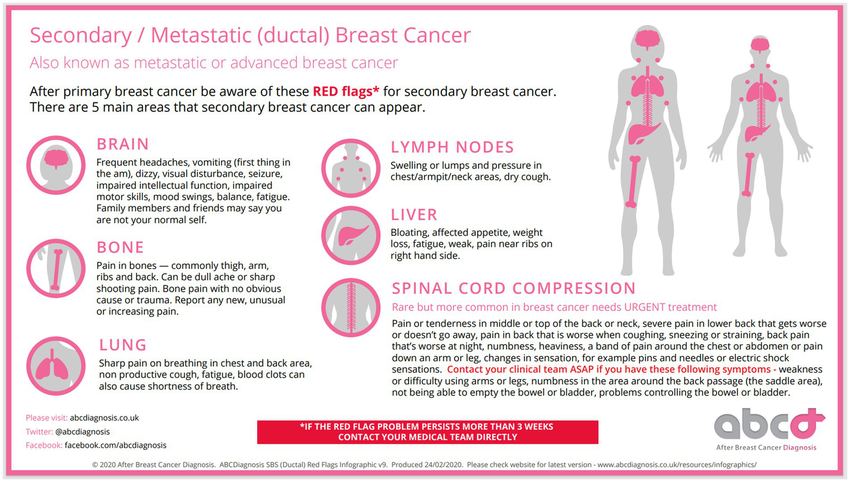
Skin Dimpling, Thickening, or Redness
Normal stretching may cause mild skin changes, but you should never ignore:
- Dimpling or puckering of the skin
- Persistent redness or warmth
- Skin that looks thickened or orange-peel–like
These signs are not caused by normal hormonal changes and need medical assessment.
One Breast Changing More Than the Other
It is normal for breasts to increase in size together. Seek medical advice if:
- One breast becomes significantly larger
- One breast develops new pain, redness, or firmness
- Nipple shape changes occur in only one breast
Uneven changes may signal infection or another underlying issue.
When to See a Doctor After Breast Self-Examination
Many women delay care because they assume all breast changes are pregnancy-related. Knowing when to act is essential.
Immediate vs Routine Visits
See a doctor immediately if you notice:
- A hard or fixed lump
- Bloody or pus-like nipple discharge
- Skin dimpling, redness, or warmth
- Sudden changes affecting only one breast
Routine visit is appropriate when:
- You notice flat or inward-curved nipples that do not improve with gentle daily thumb exercises
- Mild discomfort or tenderness without other warning signs
Early consultation prevents complications and supports breastfeeding preparation.
Which Specialist to See
You may consult:
- A lady doctor (gynecologist/obstetrician) during routine antenatal care
- A Lady Health Visitor (LHV) at a health center for nipple or breastfeeding-related concerns
- A breast specialist or surgeon if referred
Starting with your regular pregnancy care provider is usually sufficient.
Tests That Are Safe During Pregnancy
Doctors only recommend tests that are safe for both mother and baby, such as:
- Clinical breast examination
- Ultrasound of the breast
- Certain blood tests if needed
These tests help clarify whether a finding is normal or requires treatment—without harming the pregnancy.
Key Message
Trust your instincts. If something feels unusual, do not wait. Breast self-examination during pregnancy is meant to empower women—early action leads to reassurance, timely care, and better outcomes for both mother and baby.
Breast Lumps During Pregnancy – What They Usually Mean
Finding a lump during pregnancy can be frightening, but most breast lumps in pregnancy are not dangerous. Understanding the common causes helps reduce fear and encourages timely care when needed.
Milk Duct Changes vs Cysts vs Infections
During pregnancy, the breasts prepare for breastfeeding, leading to several benign causes of lumps:
Milk duct changes:
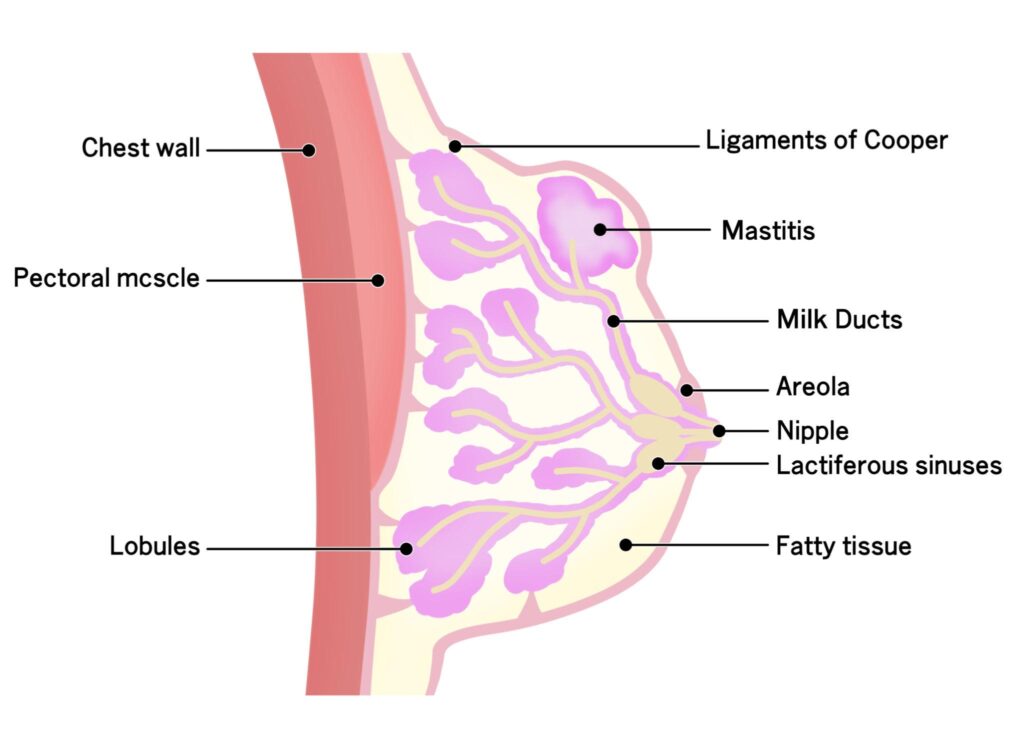
Developing milk ducts can make the breasts feel lumpy or nodular, especially in both breasts. These lumps are usually soft and movable and are considered normal.
Breast cysts:
Fluid-filled cysts may appear or become more noticeable during pregnancy. They are usually smooth, round, and movable and often change in size.
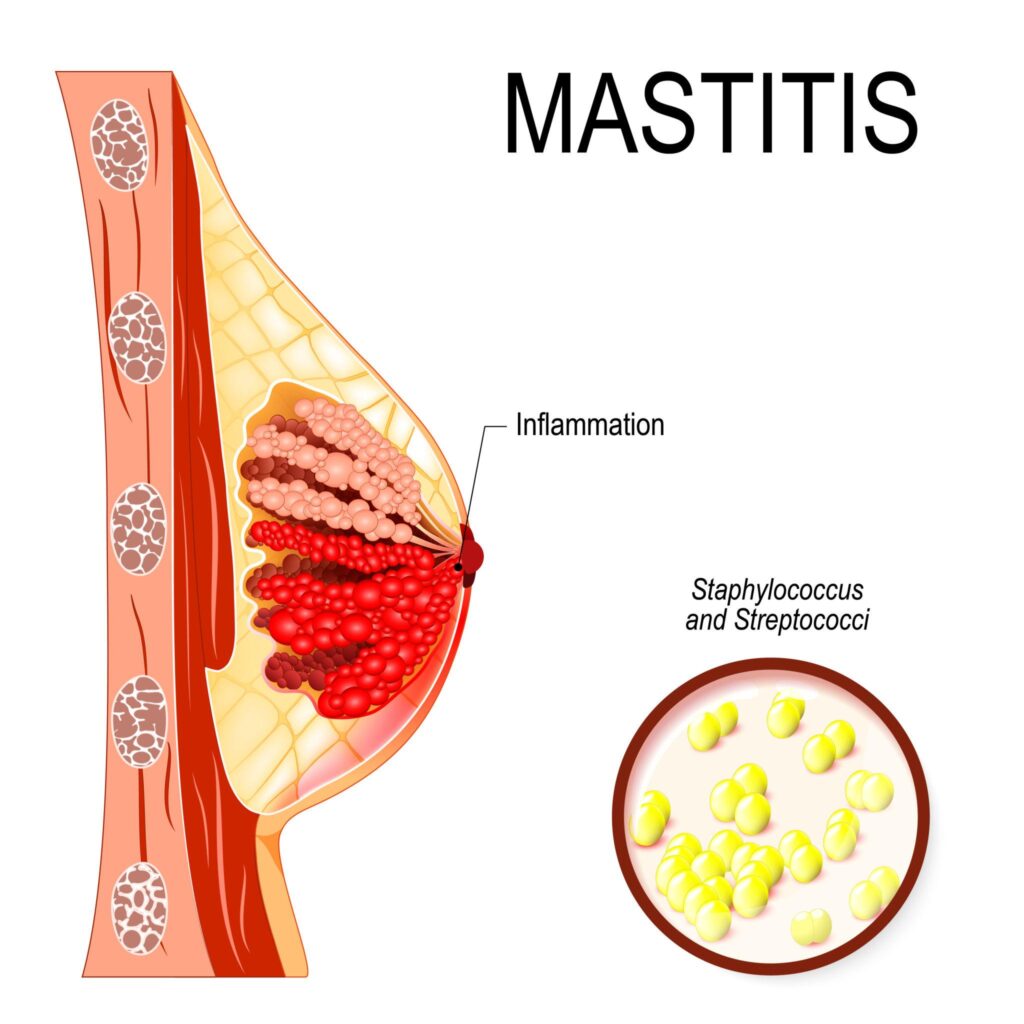
Infections (mastitis or abscess):
Though more common during breastfeeding, infections can occur in pregnancy. Signs include pain, redness, warmth, and fever, sometimes with pus-like nipple discharge. These require medical treatment.
Can Pregnancy Cause Breast Lumps?
Yes. Pregnancy itself can cause lumps due to:
- Hormonal stimulation of breast tissue
- Enlargement of milk glands
- Increased blood supply
These changes are normal. Regular breast self-examination helps women learn their normal breast texture, so abnormal lumps are easier to recognize.
Rare but Serious Causes
Although uncommon, serious conditions can occur during pregnancy. Warning signs include:
- A hard, fixed lump that does not move
- Skin dimpling or thickening
- Bloody nipple discharge
- One breast changing more than the other
These signs require prompt medical evaluation. Early consultation improves outcomes and provides reassurance when findings are benign.
Tips to Make Breast Self-Examination Easier During Pregnancy
Breast tenderness and body changes can make self-examination uncomfortable. These tips improve comfort and accuracy.
Best Posture for Examination
- Perform visual inspection standing in front of a mirror
- Feel the breasts while standing or sitting, especially during a bath
- Use the lying-down position with a pillow under the shoulder for deeper checking
Changing positions helps cover all breast areas comfortably.
Using Oil or Lotion
Using a small amount of oil or lotion allows fingers to glide smoothly, reducing discomfort. This is especially helpful for women with sensitive skin or tender breasts during pregnancy.
Managing Tenderness Safely
From your content and medical guidance:
- Use gentle pressure only
- Avoid squeezing nipples forcefully
- If nipples are flat or curved inward, perform gentle daily outward thumb exercises
- Stop if pain occurs and seek medical advice
If tenderness is severe or associated with redness, fever, or discharge, consult a lady doctor or Lady Health Visitor (LHV).
Key Takeaway
Most breast lumps during pregnancy are normal and related to milk duct development. Gentle, regular self-examination—done with the right posture and care—makes the process easier, reduces anxiety, and supports healthy breastfeeding preparation.
How to examine breasts during pregnancy?
Check your breasts once a month by looking in the mirror and gently feeling the entire breast area, including near the armpits, using light pressure.
Breast self-check steps for pregnant women
Look for visible changes, gently feel the breasts while standing or sitting, and repeat the check while lying down.
Safe breast self-exam during pregnancy
Yes, it is safe when done gently. Avoid hard pressure or squeezing, and stop if you feel pain.
Monthly breast exam during pregnancy
Doctors recommend doing a breast self-exam once a month during pregnancy.
Pregnancy-associated breast cancer
Breast cancer diagnosed during pregnancy or within one year after childbirth.
Breast cancer symptoms during pregnancy
A painless hard lump, skin dimpling, nipple changes, or unexplained swelling.
Abnormal breast symptoms in pregnancy
Persistent pain, non-milky discharge, skin thickening, or a lump that does not change.
Warning signs in breast during pregnancy
Hard or fixed lumps, nipple discharge with blood or pus, skin dimpling, or redness.
When to worry about breast changes in pregnancy
Worry if you notice a hard lump, skin changes, bloody discharge, or changes in only one breast.
Leave a Reply