Average Breast Cancer Treatment Cost in the USA (With & Without Insurance)

Average Breast Cancer Treatment Cost In The USA. Treatment for breast cancer in the US can be expensive, and the overall cost varies greatly based on the type of treatment, facility, insurance coverage, and cancer stage.
In order to help patients and their families make better plans, this guide provides a clear and straightforward explanation of the average cost of breast cancer treatment in the United States.

Table of Contents
Average Breast Cancer Treatment Cost in the USA
In the United States, the typical cost of breast cancer treatment can range from $20,000 to more than $200,000.
Due to the shorter and simpler course of therapy, early-stage malignancies typically cost far less than advanced-stage tumors. check out
Average Breast Cancer Treatment Cost In The Usa
Factors That Affect Breast Cancer Treatment Costs in the USA (Problem–Solving Guide)
Breast cancer treatment costs in the U.S. The total cost may vary significantly, often reaching from several tens of thousands up to hundreds of thousands of dollars.
Understanding why costs vary helps patients make smarter financial decisions. Below is a problem–solution guide based on the most important cost factors.
1️⃣ Type of Breast Cancer

The Problem
Not all breast cancers are treated the same. Some types require more aggressive and expensive therapies.
Common types include:
- Hormone receptor–positive
- HER2-positive
- Triple-negative breast cancer
For example:
- HER2-positive cancers often require targeted drugs like trastuzumab, which can significantly increase treatment costs.
- Triple-negative breast cancer may require intensive chemotherapy.
The Solution
✔ Ask your oncologist about the exact subtype of your cancer.
✔ Discuss whether generic or biosimilar drugs are available.
✔ Check if targeted therapy is fully covered by insurance.
✔ Ask about patient assistance programs offered by pharmaceutical companies.
Stage at Diagnosis

4
The Problem
The later the stage, the higher the cost.
- Early-stage (0–I): Usually surgery + possibly radiation.
- Stage II–III: Surgery + chemotherapy + radiation.
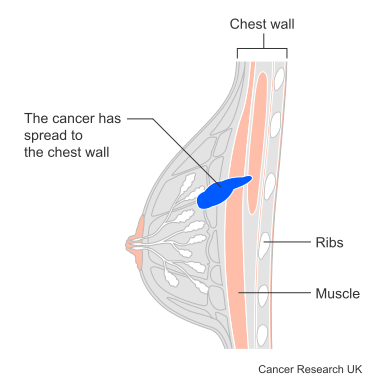
- Stage IV (metastatic): Long-term treatment, targeted therapy, or immunotherapy.
Advanced-stage cancer may require continuous treatment, increasing total lifetime costs.
The Solution
✔ Early screening (mammograms) lowers both medical and financial burden.
✔ Follow your treatment plan carefully to avoid complications.
✔ Ask about bundled treatment packages at cancer centers.
3️⃣ Treatment Plan & Duration
The Problem
Breast cancer treatment often includes multiple therapies:
- Surgery
- Chemotherapy
- Radiation
- Hormone therapy (5–10 years in some cases)
- Targeted therapy
- Immunotherapy
Longer treatment = higher total cost, especially for extended drug therapies.
The Solution
✔ Ask for a written treatment roadmap with estimated duration.
✔ Request a cost estimate before starting each phase.
✔ Discuss outpatient vs inpatient options (outpatient is often cheaper).
✔ Review whether all recommended tests are essential or optional.
4️⃣ Hospital, City, and State Differences
The Problem
Treatment costs vary significantly depending on location.
- Large metropolitan hospitals may charge more.
- Academic cancer centers often have higher fees.
- Some states have higher healthcare pricing overall.
For instance, medical treatment in states like New York or California is typically more expensive than in smaller or less populated states.
The Solution
✔ Compare hospital pricing using insurance provider tools.
✔ Ask about treatment at community cancer centers, which may cost less.
✔ Consider traveling to lower-cost states if financially feasible.
✔ Verify whether a hospital is in-network before scheduling treatment.
Insurance Coverage and Deductibles
The Problem
Even with insurance, patients may face:
- High deductibles
- Co-pays for each visit
- Coinsurance percentages
- Out-of-network charges
Without insurance, full treatment costs can exceed $100,000+.
The Solution
✔ Understand your annual deductible and out-of-pocket maximum.
✔ Stay in-network whenever possible.
✔ Ask the hospital billing department for a payment plan.
✔ Apply for Medicaid (if eligible) or ACA marketplace plans.
✔ Seek nonprofit financial support programs for cancer patients.

Final Takeaway: Control What You Can
You cannot control your diagnosis, but you can control how you manage costs:
- Get diagnosed early
- Compare hospitals
- Understand insurance terms
- Ask questions about every charge
- Explore financial assistance
Being informed reduces both emotional stress and financial pressure during treatment.
Breast Cancer Surgery Cost in the USA (Problem-Solving Guide)
Breast cancer surgery is often the first and most important step in treatment—but it can also be one of the most expensive. Costs vary widely based on the type of surgery, hospital, insurance coverage, and reconstruction choices. Below is a clear problem–solution guide to help patients understand and manage these costs.
1️⃣ Lumpectomy Cost in the USA

The Problem
A lumpectomy (breast-conserving surgery) removes the tumor while preserving most of the breast.
Average cost:
- $10,000 – $25,000 (before insurance)
Hidden cost issues include:
- Separate fees for surgeon, hospital, anesthesia, and pathology
- Follow-up radiation therapy, which increases total treatment cost

The Solution
✔ Choose an outpatient surgical center when possible.
✔ Confirm that radiation therapy is covered by your insurance.
✔ Ask for a bundled price that includes hospital and surgeon fees.
✔ Verify that the hospital and surgeon are in-network.
2️⃣ Mastectomy Cost in the USA
The Problem
A mastectomy involves removing one or both breasts and is more invasive than a lumpectomy.
Average cost:
- $15,000 – $50,000 (without reconstruction)
Costs rise due to:
- Longer hospital stays
- Higher anesthesia and surgical fees
- Possible lymph node removal

The Solution
✔ Ask if a single or double mastectomy is medically necessary.
✔ Discuss same-day discharge options if appropriate.
✔ Request a pre-surgery cost estimate from the hospital billing team.
✔ Confirm insurance coverage for lymph node biopsy and pathology.
3️⃣ Breast Reconstruction Cost in the USA

The Problem
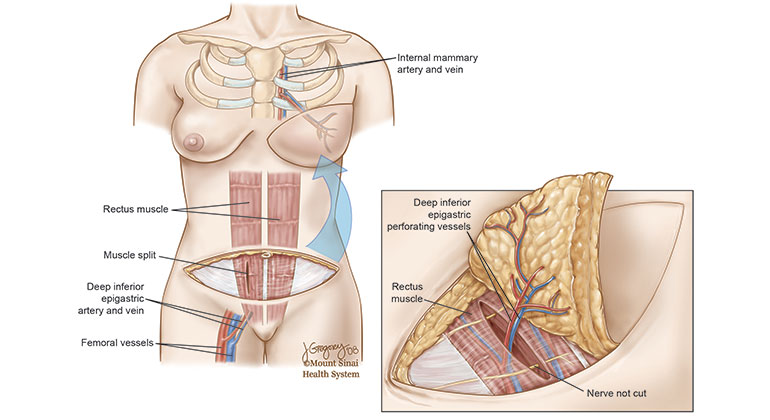
Breast reconstruction restores breast shape after mastectomy but significantly increases costs.
Average cost:
- $20,000 – $100,000+
- Multiple surgeries may be required
Types include:
- Implant-based reconstruction
- Autologous (using patient’s own tissue, such as DIEP flap)

The Solution
✔ Know your legal rights: insurance plans in the U.S. are required to cover reconstruction after mastectomy.
✔ Ask if immediate reconstruction (same surgery) can reduce total costs.
✔ Compare implant vs tissue-based options with both surgeon and insurer.
✔ Choose a board-certified plastic surgeon who accepts your insurance.
Key Cost-Saving Tips for Breast Cancer Surgery
- Request itemized medical bills to identify unnecessary charges
- Ask about hospital financial assistance programs
- Use nonprofit cancer support organizations for travel and lodging help
- Consider getting a second surgical opinion
Final Takeaway
Breast cancer surgery costs in the USA vary widely, but informed decisions can save thousands of dollars. Understanding your surgical options, insurance coverage, and hospital pricing allows you to focus on recovery—not financial stress.
Cost Breakdown by Treatment Type
Surgery Cost
Lumpectomy: $10,000 – $25,000
Mastectomy: $20,000 – $50,000
Reconstruction surgery (if needed): $15,000 – $60,000
Chemotherapy Cost
Per session: $2,000 – $10,000
Full course: $30,000 – $100,000+
Radiation Therapy Cost
Radiation Therapy Cost
Full course: $10,000 – $50,000
Hormone & Targeted Therapy
Hormone therapy: $2,000 – $5,000 per year
Targeted therapy: $50,000 – $150,000+
Hormone Therapy & Targeted Therapy Costs (Problem-Solving Guide)
Hormone therapy, targeted therapy, and immunotherapy are often long-term treatments for breast cancer. While they can be highly effective, they are also among the most expensive therapies in the USA. Below is a problem–solution guide to help patients understand costs and reduce financial burden.
Hormone Therapy Cost for Breast Cancer in the USA
The Problem
Hormone therapy is commonly prescribed for hormone receptor–positive breast cancer and may continue for 5 to 10 years.
Average cost:
- $100 – $1,000 per month (generic vs brand-name drugs)
Cost challenges include:
- Long treatment duration
- Ongoing prescription refills
- Monitoring tests and doctor visits
The Solution
✔ Ask your doctor if generic versions are suitable.
✔ Use mail-order pharmacy services to reduce monthly costs.
✔ Confirm whether the medication is on your insurer’s preferred drug list.
✔ Apply for manufacturer co-pay assistance programs.
Targeted Therapy Cost for Breast Cancer in the USA

The Problem
Targeted therapies attack specific cancer markers (such as HER2) and are highly effective—but costly.
Average cost:
- $5,000 – $15,000 per month
- Annual costs may exceed $100,000
Major cost drivers include:
- Brand-only medications
- Long treatment cycles
- Infusion center fees
The Solution
✔ Ask about biosimilar drugs, which are lower-cost alternatives.
✔ Confirm whether therapy can be given at an outpatient infusion center.
✔ Check if prior authorization is required to avoid claim denials.
✔ Ask about clinical trials offering free or reduced-cost treatment.
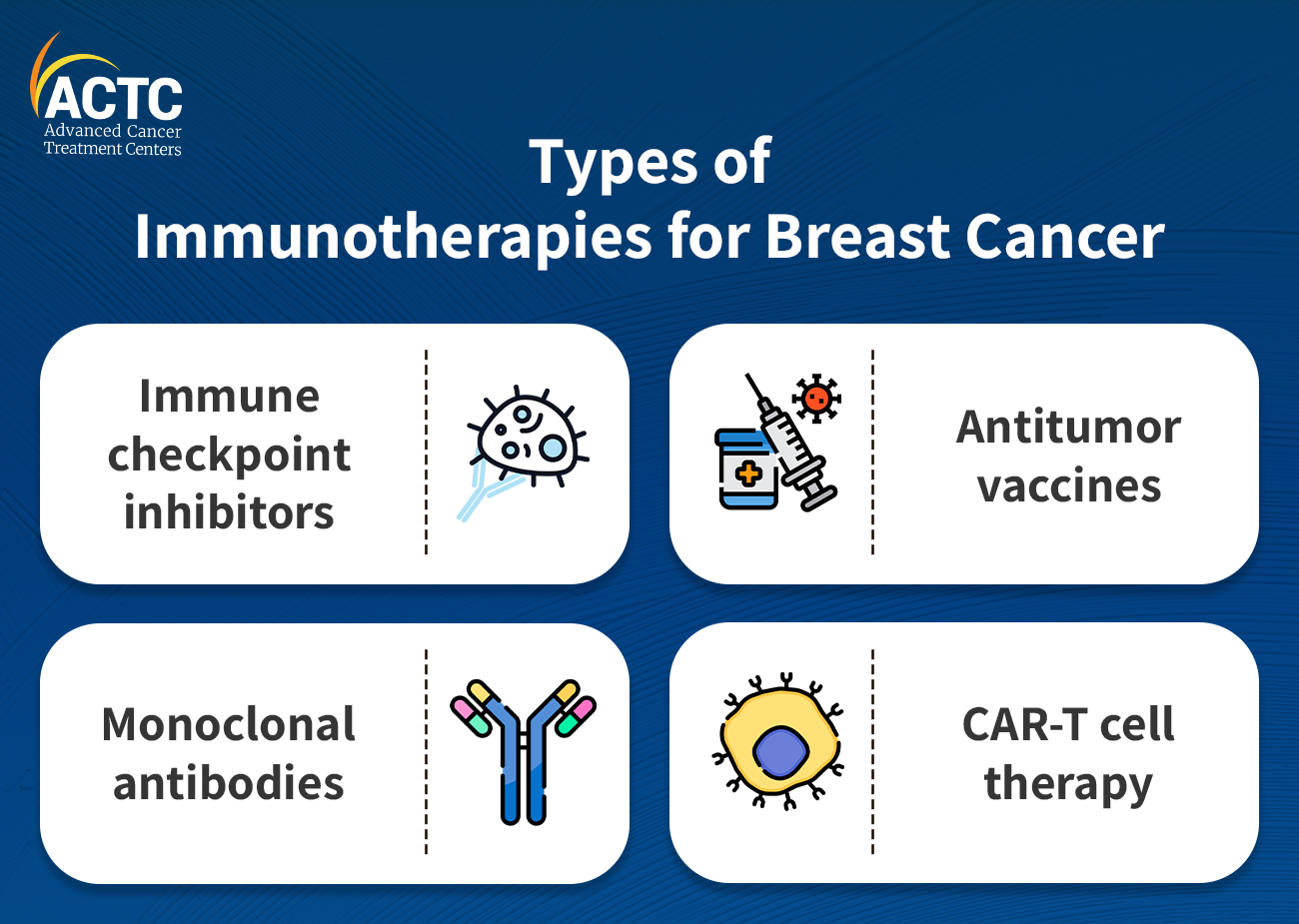
Immunotherapy Cost for Breast Cancer in the USA
The Problem
Immunotherapy is typically used for advanced or triple-negative breast cancer and is among the most expensive cancer treatments.
Average cost:
- $10,000 – $20,000 per month
- Total treatment costs can exceed $150,000 per year
Additional challenges include:
- Limited insurance coverage in some plans
- High co-insurance percentages
- Frequent monitoring for side effects
The Solution
✔ Verify insurance pre-approval before starting treatment.
✔ Ask your oncologist whether immunotherapy is clinically necessary for your case.
✔ Explore manufacturer patient assistance programs.
✔ Seek support from nonprofit cancer foundations for financial aid.
Smart Cost-Control Strategies for Drug-Based Therapies
- Always request a cost estimate before starting a new medication
- Ask your care team about less expensive alternatives
- Review insurance coverage annually during open enrollment
- Keep detailed records of prescriptions and medical bills
Final Takeaway
Hormone therapy, targeted therapy, and immunotherapy can save lives—but they can also create financial stress. The key is early planning, open communication with your care team, and using available assistance programs.
Average Breast Cancer Treatment Cost In The Usa
Breast Cancer Treatment Cost by Stage
Stage 0–I (Early Stage)
Average cost: $20,000 – $60,000
Often treated with surgery and limited radiation
Stage II
Average cost: $60,000 – $120,000
Surgery + chemotherapy common
Stage III–IV (Advanced Stage)
Average cost: $120,000 – $200,000+
Long-term therapy and advanced drugs required
Cost With Insurance vs Without Insurance
| Situation | Estimated Cost |
| For patients with health insurance | $5,000 – $30,000 out-of-pocket |
| For patients without health insurance, | High out-of-pocket expenses; often above – $50,000 and may exceed $200,000 |
Insurance can significantly reduce patient expenses, especially when treatment is received at in-network hospitals.
Out-of-Pocket Costs With Health Insurance (Problem-Solving Guide)

The Problem
Having health insurance does not mean treatment is free. Many breast cancer patients in the USA still face high out-of-pocket costs due to:
- Annual deductibles ($1,500–$8,000+)
- Copays for doctor visits, tests, and prescriptions
- Coinsurance (10%–30% of treatment costs)
- Out-of-network hospital or specialist charges
Average out-of-pocket cost with insurance:
- $5,000 – $25,000 per year, depending on plan type and treatment intensity
Unexpected bills often arrive after surgery, chemotherapy, or imaging tests—creating financial stress during treatment.
The Solution
✔ Understand your plan’s out-of-pocket maximum—once reached, insurance pays 100%.
Use only in-network hospitals, doctors, labs, and infusion facilities whenever possible.
✔ Ask for prior authorization before major procedures or medications.
✔ Request itemized bills to spot billing errors or duplicate charges.
✔ Enroll in copay assistance programs for chemotherapy and targeted drugs.
Breast Cancer Treatment Cost Without Insurance in the USA (Problem-Solving Guide)

The Problem
Without health insurance, breast cancer treatment costs can be overwhelming.
Average total cost without insurance:
- $75,000 – $150,000+ for standard treatment
- Advanced or metastatic cases may exceed $250,000
Uninsured patients must pay full prices for:
- Surgery
- Chemotherapy
- Radiation therapy
- Long-term medications
- Hospital stays and follow-ups
This often leads to delayed treatment or medical debt.
The Solution
✔ Apply for hospital financial assistance or charity care programs.
✔ Ask hospitals for self-pay discounts (often 30%–60% off).
✔ Set up interest-free payment plans with billing departments.
✔ Check eligibility for Medicaid or ACA Marketplace plans (even mid-year).
✔ Seek help from nonprofit cancer organizations offering grants, travel aid, or medication support.
Key Takeaway
Whether insured or uninsured, breast cancer treatment costs can be high—but patients are not powerless. Knowing your insurance details, asking for financial help early, and exploring assistance programs can reduce costs and prevent financial hardship.
Breast Cancer Treatment Cost in Public vs Private Hospitals in the USA (Problem-Solving Guide)
Choosing between a public (government-supported or nonprofit) hospital and a private hospital can make a major difference in breast cancer treatment costs. Below is a clear problem–solution comparison to help patients decide what’s best medically and financially.
Public Hospitals in the USA
The Problem
Public hospitals (often county-run or nonprofit teaching hospitals) usually charge lower prices, but patients may face:
- Longer waiting times for surgery or imaging
- Limited access to the newest targeted or immunotherapy drugs
- Fewer private rooms and amenities
- Overcrowded oncology departments
Average cost range:
- 20%–40% lower than private hospitals
- Greater savings for uninsured or Medicaid patients

The Solution
✔ Ideal for patients with limited insurance or no insurance.
✔ Ask about charity care and sliding-scale billing.
✔ Use public hospitals for surgery, chemotherapy, and radiation, then continue follow-ups locally.
✔ Teaching hospitals often provide high-quality care supervised by senior specialists at lower cost.
Private Hospitals in the USA

The Problem
Private hospitals offer advanced facilities but usually charge significantly higher fees.
Cost challenges include:
- Higher surgeon and facility fees
- Expensive diagnostic tests
- Higher out-of-network risk
- Less flexible pricing for uninsured patients
Average cost range:
- 30%–60% higher than public hospitals
- Advanced therapies may exceed $150,000+ total cost
The Solution
✔ Best for patients with strong private insurance or employer-sponsored plans.
✔ Choose private hospitals when specialized care or advanced therapies are required.
✔ Confirm network participation for the hospital, surgeon, and laboratory before receiving treatment.
✔ Request a pre-treatment cost estimate and payment plan if needed.
Public vs Private Hospital Cost Comparison (Quick View)
| Factor | Public Hospitals | Private Hospitals |
|---|---|---|
| Overall Cost | Lower | Higher |
| Insurance Flexibility | High | Moderate |
| Care Quality | Good–Excellent | Excellent |
| Waiting Time | Longer | Shorter |
| Access to New Therapies | Limited | Broad |
| Best For | Budget-conscious patients | Fully insured patients |
How to Choose the Right Option (Cost-Smart Tips)
- Combine care: public hospital for major treatment + private clinic for follow-ups
- Get second opinions from both systems
- Compare costs for each treatment phase separately
- Ask billing departments about discounts and financial aid
Final Takeaway
Both public and private hospitals in the USA provide safe and effective breast cancer treatment. The right choice depends on insurance status, financial situation, and treatment complexity. Cost-aware decisions can save thousands of dollars without compromising care quality.
Is Breast Cancer Treatment Safe in the USA?
Strict safety regulations apply to breast cancer therapies in the United States.
When under the supervision of certified oncology specialists, treatments are typically safe and effective, according to medical organizations including the WHO, NIH, and Mayo Clinic. Although there are a variety of side effects, ongoing observation enhances patient safety.
How to Reduce Breast Cancer Treatment Costs
Obtain an early diagnosis and screening
Select hospitals that are in your network.
Inquire about financial aid initiatives.
Examine nonprofits that provide cancer support.
Examine insurance coverage in detail.
Health Insurance Options & Coverage Tips (Problem-Solving Guide)

The Problem
Many breast cancer patients either lack adequate insurance or discover too late that their plan doesn’t fully cover expensive treatments such as chemotherapy, targeted therapy, or reconstruction. High deductibles, limited drug formularies, and out-of-network care can lead to overwhelming bills.

The Solution
✔ Employer-Sponsored Insurance: Review your plan’s out-of-pocket maximum and stay in-network.
✔ ACA Marketplace Plans: You can qualify for a Special Enrollment Period after a cancer diagnosis or loss of coverage.
✔ Medicaid: Offers low-cost or free coverage for eligible low-income patients, including cancer treatment.
✔ Medicare: Covers most breast cancer treatments for patients aged 65+ or with disabilities.
✔ Always ask for prior authorization before surgery, chemotherapy, or high-cost drugs.
Financial Assistance Programs for Breast Cancer Patients (Problem-Solving Guide)
The Problem
Even with insurance, patients often struggle with copays, travel expenses, medications, and lost income during treatment.
The Solution
✔ Hospital Financial Assistance: Many hospitals offer income-based discounts or charity care.
✔ Pharmaceutical Assistance Programs: Drug manufacturers may reduce or waive medication costs.
✔ State & Federal Aid: Some states offer cancer-specific support programs.
✔ Patient Financial Counselors: Available at most cancer centers to help manage bills and applications.
Nonprofit Organizations & Charity Care (Problem-Solving Guide)
The Problem
Medical bills aren’t the only burden—transportation, lodging, childcare, and daily expenses can quickly add up.
The Solution
✔ National and local nonprofits provide grants, gas cards, lodging, and emotional support.
✔ Charity care programs help uninsured or underinsured patients receive treatment at reduced or no cost.
✔ Ask your oncology social worker for a local nonprofit referral list.
✔ Apply early—many grants are first-come, first-served.
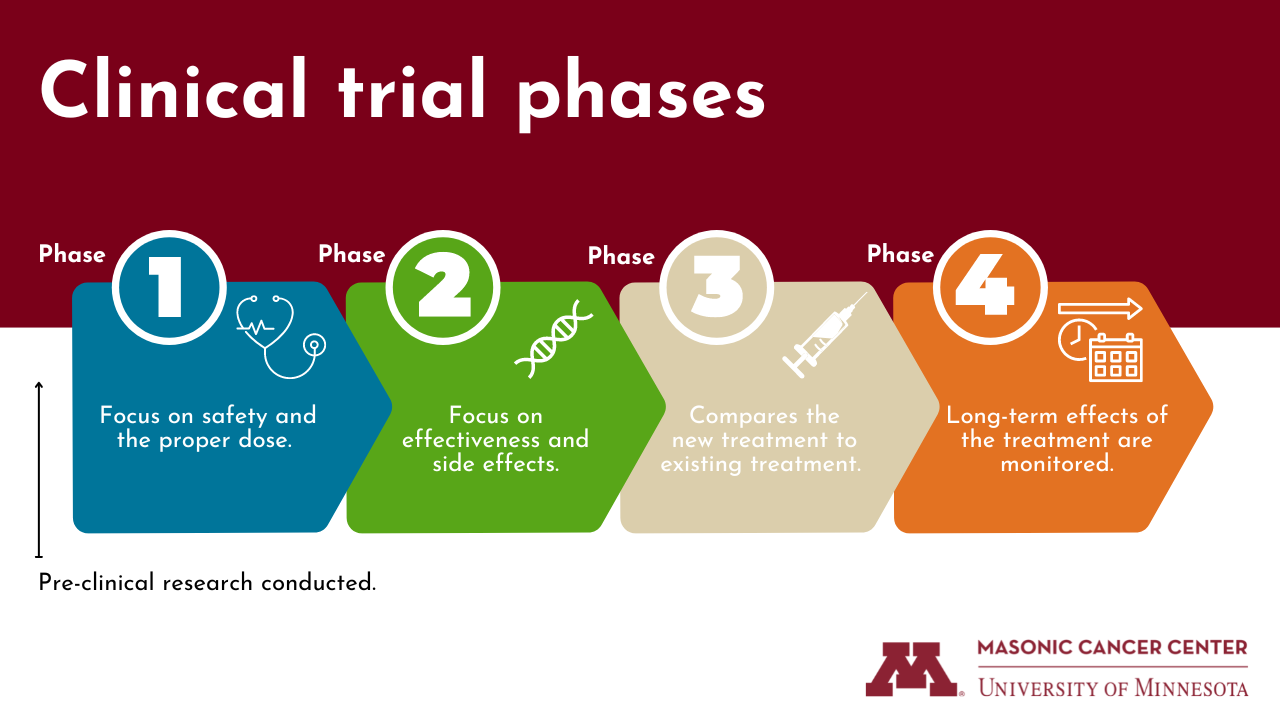
Clinical Trials and Low-Cost Treatment Options (Problem-Solving Guide)
The Problem
Advanced breast cancer treatments can be unaffordable, especially for patients needing long-term therapy or newer drugs.
The Solution
✔ Clinical trials often provide treatment and monitoring at no cost.
✔ Participants gain access to cutting-edge therapies not widely available.
✔ Ask your oncologist if you qualify for local or national trials.
✔ Trials are strictly regulated and follow safety protocols.

Final Takeaway
Breast cancer treatment costs don’t have to become a financial crisis. By combining smart insurance choices, financial assistance programs, nonprofit support, and clinical trial opportunities, patients can significantly reduce costs while receiving high-quality care.
Medical Disclaimer:
This content is for general health awareness only and is not intended as medical advice. Please consult a qualified healthcare professional for diagnosis or treatment.
How much does breast cancer treatment cost in the USA?
The cost of breast cancer treatment in the USA varies widely depending on the type of treatment, cancer stage, and whether a patient has insurance.
On average, treatment can range from $20,000 for early-stage cancers to over $200,000 for advanced cases. Surgery, chemotherapy, radiation, and targeted therapies all contribute to the total expense.
Patients with health insurance usually pay significantly less out-of-pocket, while those without coverage may face the full cost.
Is breast cancer treatment free in the USA?
No, breast cancer treatment is not completely free in the USA. Costs depend on insurance coverage, treatment type, and hospital. Patients with Medicare, Medicaid, or private insurance may pay little to nothing out-of-pocket, but uninsured patients usually face high expenses.
Is stage 4 cancer 100% death?
No, stage 4 cancer is not 100% fatal. Stage 4 means the cancer has spread to other parts of the body, making it more serious and harder to treat.
However, with modern treatments like targeted therapy, immunotherapy, chemotherapy, and personalized care, many patients can live for years, and some achieve long-term remission.
Survival depends on cancer type, overall health, and how well it responds to treatment.
Average Breast Cancer Treatment Cost In The Usa
Final Thoughts on Breast Cancer Treatment Costs in the USA
Breast cancer treatment in the USA can be life-saving but financially challenging. Costs vary widely depending on the stage at diagnosis, type of treatment, hospital choice, and insurance coverage. For many patients, the financial burden can feel just as overwhelming as the medical diagnosis itself.
The most important takeaway is this: high costs do not mean you have no options.
Early detection through regular screening often leads to simpler, less expensive treatment. Choosing in-network providers, understanding your insurance plan, and requesting cost estimates before treatment begins can prevent unexpected bills. For uninsured or underinsured patients, public hospitals, charity care programs, and nonprofit organizations can dramatically reduce expenses.
Equally important is asking for help early. Financial counselors, oncology social workers, pharmaceutical assistance programs, and clinical trials exist specifically to support patients through treatment without financial ruin. Many people don’t realize these resources are available until it’s too late—awareness is power.
Key Takeaway
Breast cancer treatment in the USA is safe, advanced, and effective, but managing the cost requires planning, questions, and support. By combining medical care with smart financial decisions, patients can focus on healing—not debt.
Leave a Reply