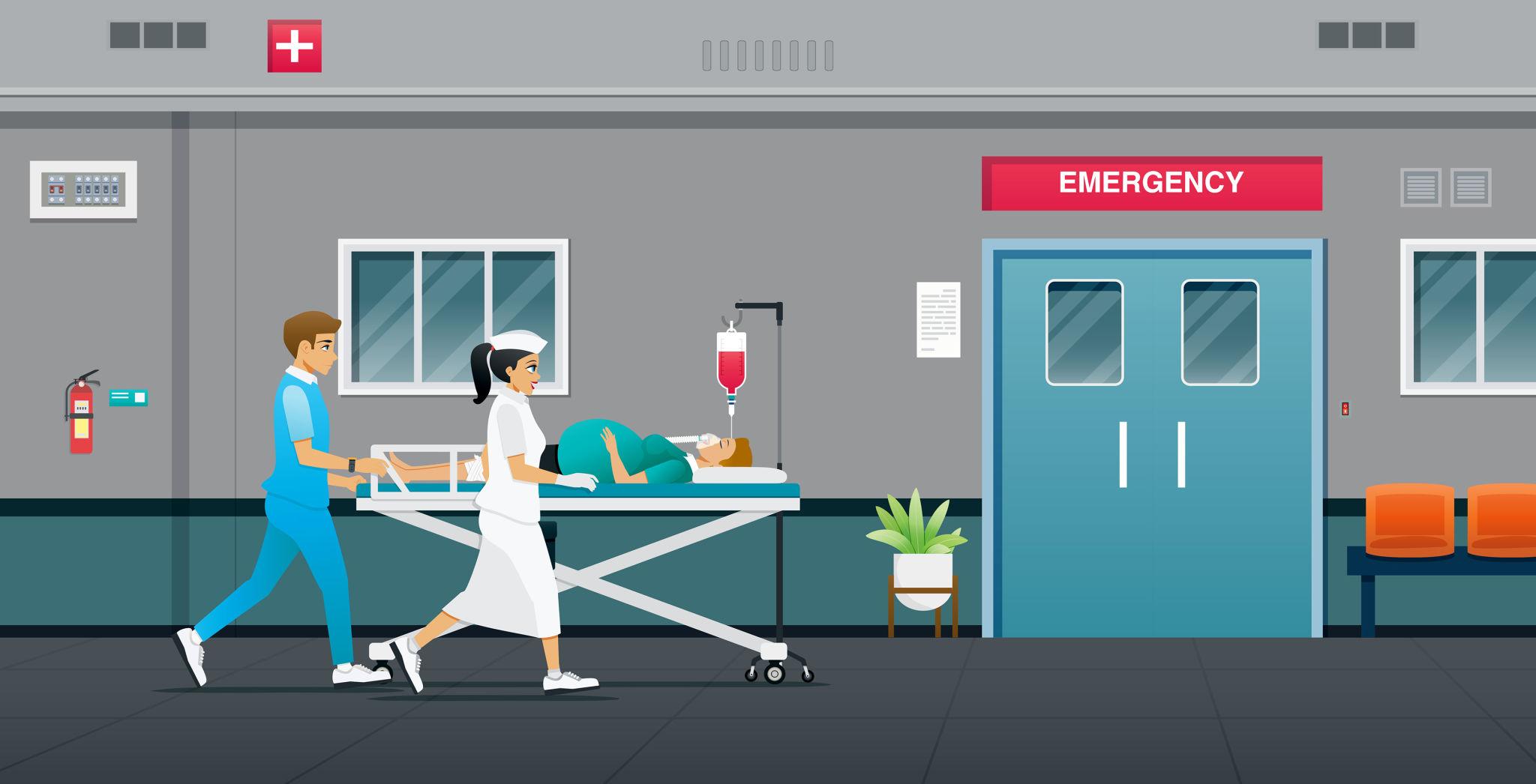
Introduction
Knowing when to go to the hospital during pregnancy can save the life of both the mother and the baby. Some symptoms may look small at first but can quickly become serious.
Pregnant women and their families should be aware of warning signs that require immediate medical attention.
Table of Contents
Why Knowing When to Go to Hospital During Pregnancy Is Important
During pregnancy, the body goes through many changes. While some discomfort is normal, certain symptoms are not normal and should never be ignored. Early medical care helps prevent:
- Serious pregnancy complications
- Premature birth
- Risk to the mother’s life
- Harm to the unborn baby
Timely hospital visits allow doctors to diagnose problems early and provide proper treatment.
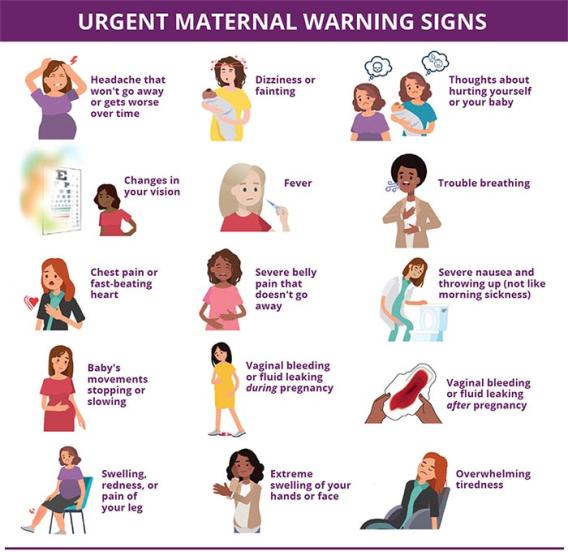
Pregnancy Warning Signs Requiring Hospital Visit
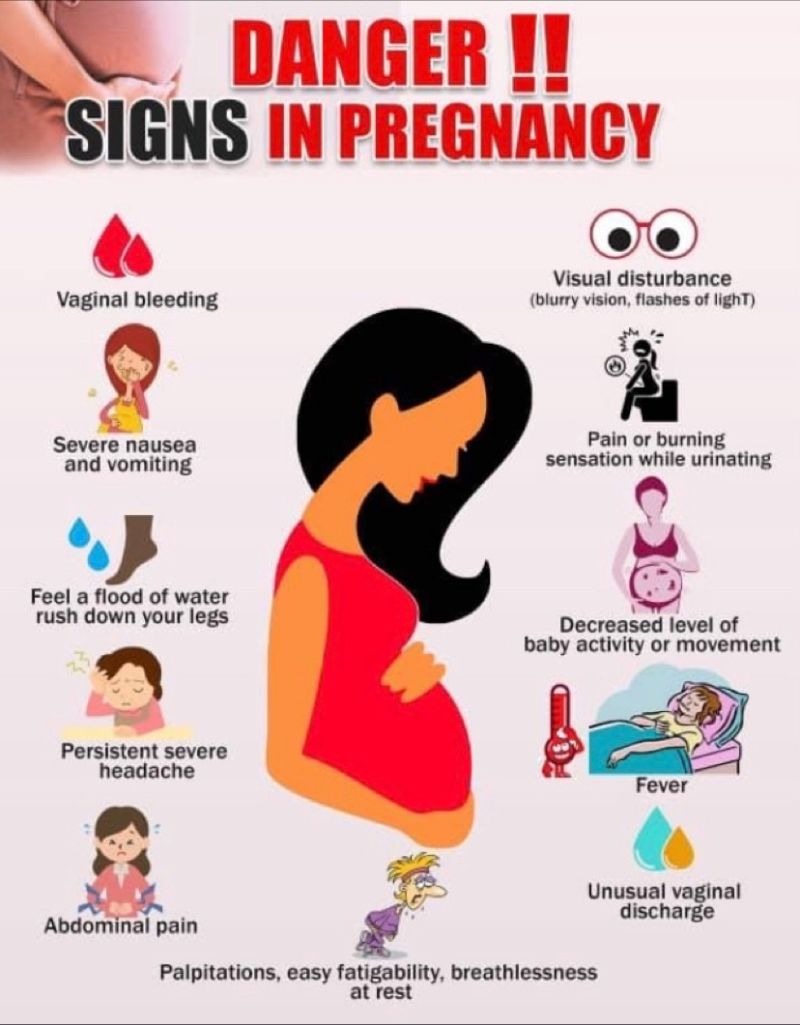
If a pregnant woman experiences any of the following symptoms, she should be taken to a hospital or emergency health center immediately.
Severe Vaginal Bleeding
Severe vaginal bleeding during pregnancy is a dangerous warning sign.
- Bleeding may be light at first and then become heavy
- It may be accompanied by pain or weakness
- It can indicate miscarriage, placental problems, or internal bleeding
Action:
If bleeding or heavy spotting occurs, do not wait. The pregnant woman must be taken to the hospital immediately for emergency care.
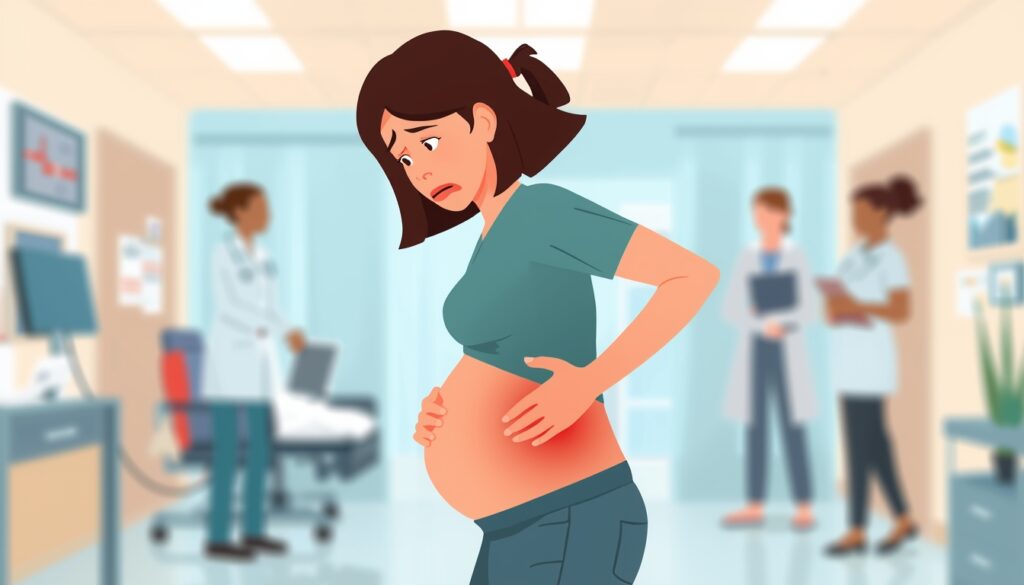
Severe Abdominal or Lower Back Pain
Mild discomfort can be normal, but severe or persistent pain in the abdomen or lower back is not normal.
- Pain may be sharp, cramping, or continuous
- It may occur with or without bleeding
- It can be a sign of serious internal complication
Action:
Any pregnant woman complaining of severe abdominal or lower back pain should be referred to a hospital immediately, as this pain may be a sign of a serious condition.
Sudden Swelling of Face, Hands, or Feet
Some swelling is common in pregnancy, but sudden or excessive swelling is dangerous.
- Swelling of the face, hands, eyes, or feet
- Rings, bangles, or shoes feeling suddenly tight
- Pressing the skin leaves a dent (pitting swelling)
Action:
Sudden swelling may be linked to high blood pressure during pregnancy. The woman should be taken to a hospital without delay.
In our detailed guide How to Maintain Menstrual Health Step by Step (Complete Women’s Guide), we explain how to track your menstrual cycle, maintain proper hygiene, follow a period-friendly diet, manage stress, and recognize warning signs that need medical attention.
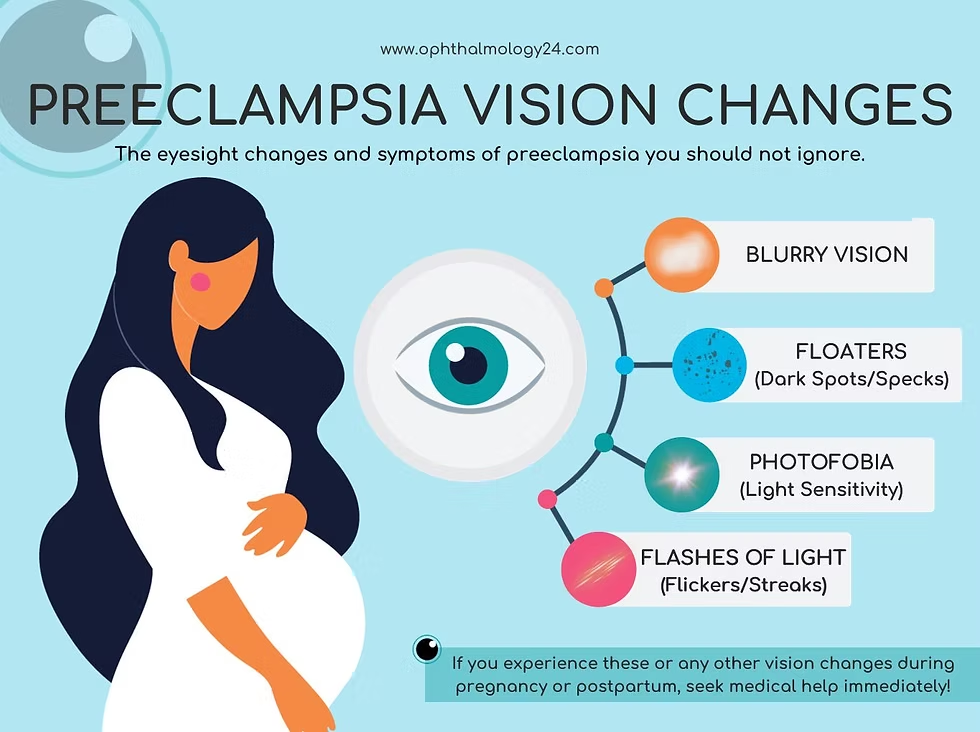
Severe Headache or Blurred Vision
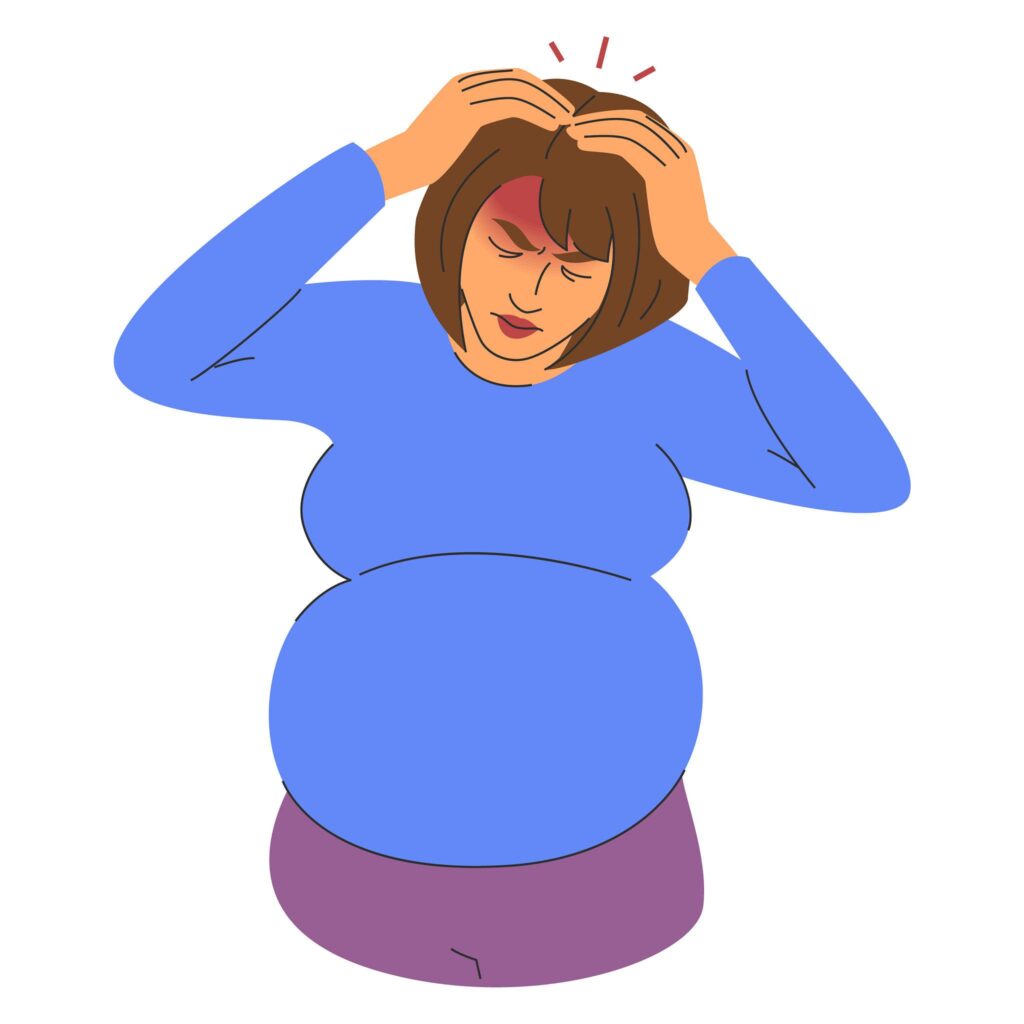
A persistent or severe headache during pregnancy is a serious warning sign, especially if it is combined with blurred vision or dizziness.
- Severe headache that does not go away
- Blurred or double vision
- Dizziness or numbness in hands and feet
Action:
These symptoms can indicate dangerous pregnancy complications. Immediate medical evaluation at a hospital is required.
Pregnancy Warning Signs That Require Immediate Hospital Care
High Fever During Pregnancy
High fever during pregnancy can be harmful to both the mother and the baby.
- Fever may be caused by infection
- It can lead to dehydration and weakness
- Untreated infection can affect the baby
Action:
If a pregnant woman has a high fever, she should be taken to a hospital or health center for proper diagnosis and treatment.
Important Reminder
Pregnant women should trust their bodies. If something feels wrong, it is always safer to seek medical help immediately. Early hospital visits can prevent serious complications and ensure a safer pregnancy.
Key Message for Pregnant Women
If a symptom feels severe, unusual, or worrying, do not wait. Seeking medical care early can save lives and ensure a safer pregnancy for both mother and baby.
What Are the Most Dangerous Signs in Pregnancy?
Some pregnancy symptoms are extremely dangerous and require immediate emergency medical care. These signs may threaten the life of the mother, the baby, or both.
If any of the following symptoms occur, the pregnant woman should be taken to a hospital immediately. Pintrest
Serious Pregnancy Symptoms That Require Hospital Care
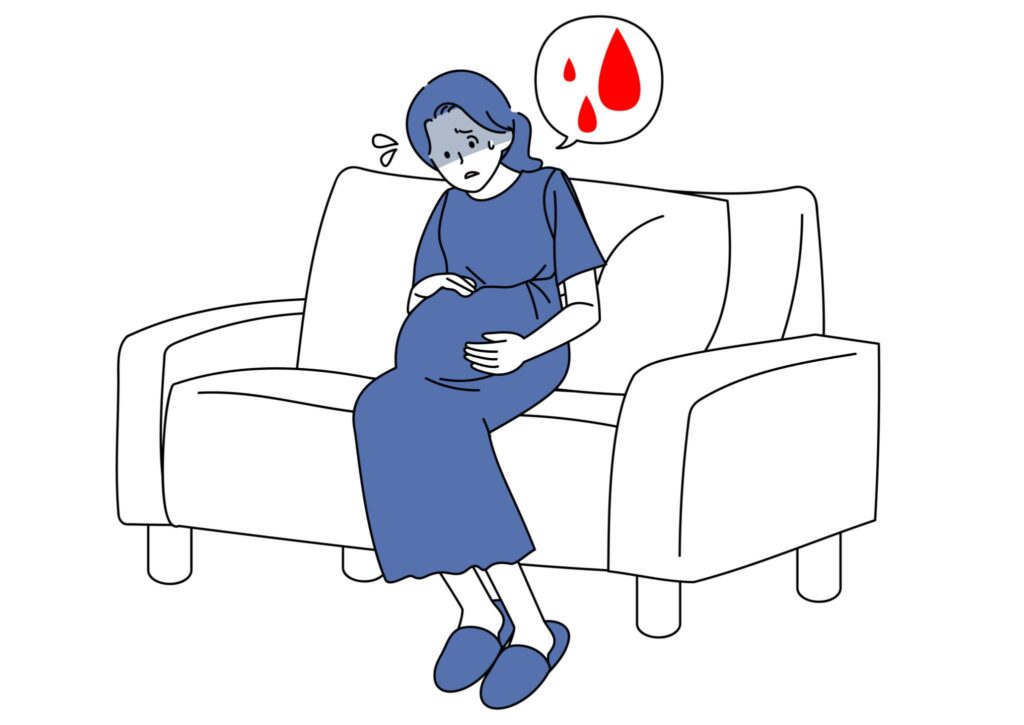
Heavy Bleeding With Clots
Heavy vaginal bleeding with clots during pregnancy is a medical emergency.
- Bleeding may be sudden or continuous
- Blood clots may be large or frequent
- It may be accompanied by pain, dizziness, or weakness
What to do:
This type of bleeding can indicate miscarriage, placental separation, or internal bleeding. Immediate hospital treatment is essential.
Reduced or No Baby Movement
A noticeable reduction or absence of baby movement is a serious warning sign, especially in the second and third trimesters.
- Baby movements become weaker or stop completely
- The mother feels something is not normal
What to do:
If the baby’s movement is reduced or not felt at all, the mother should go to the hospital without delay for urgent assessment.
Seizures or Convulsions
Seizures or convulsions during pregnancy are life-threatening.
- Sudden loss of consciousness
- Uncontrolled shaking of the body
- Confusion after the episode
What to do:
Seizures may be related to serious pregnancy complications. Emergency medical care is required immediately.
Difficulty Breathing or Chest Pain
Difficulty breathing or chest pain during pregnancy is not normal and should never be ignored.
- Shortness of breath at rest
- Tightness or pain in the chest
- Rapid breathing or feeling faint
What to do:
These symptoms may indicate serious heart or lung problems. The pregnant woman should be taken to the emergency department immediately.
Important Reminder
Any symptom that appears suddenly, worsens quickly, or causes fear should be treated as an emergency. Prompt hospital care can prevent serious complications and save lives.
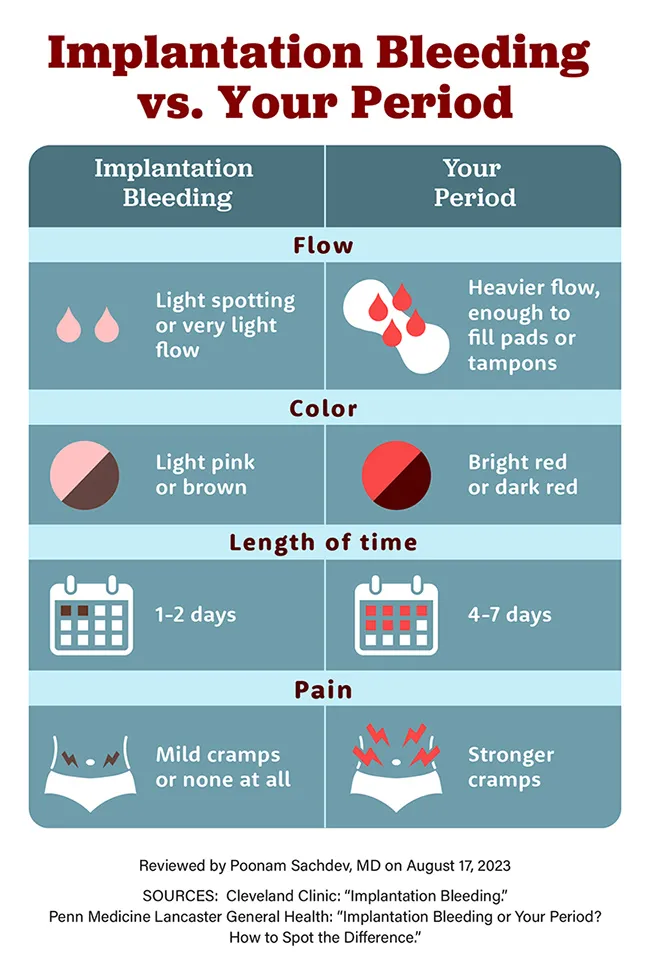
When to Go to Hospital During Early Pregnancy (First Trimester)
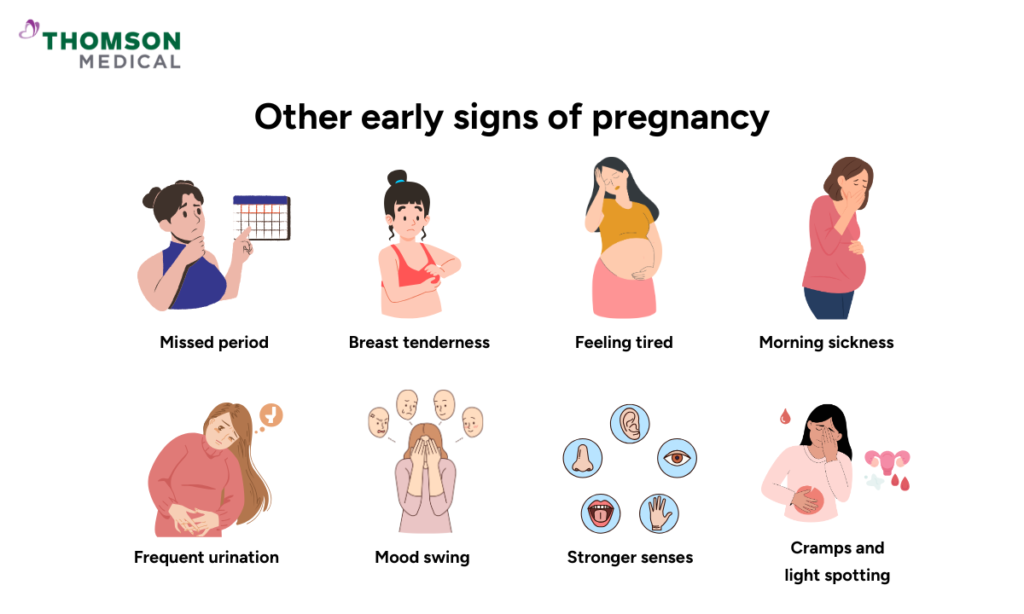
The first trimester (weeks 1–12) is a sensitive stage of pregnancy. While mild nausea and light discomfort can be normal, certain symptoms require immediate hospital attention.
Severe Cramping
Mild cramping can happen as the uterus expands. However, severe or sharp cramping is not normal.
- Intense lower abdominal pain
- Pain that does not improve with rest
- Pain accompanied by dizziness or weakness
What to do:
Severe cramping may signal miscarriage or other complications. The pregnant woman should be taken to a hospital immediately.
Heavy Bleeding
Light spotting can sometimes occur in early pregnancy, but heavy bleeding is dangerous.
- Bright red bleeding
- Passing clots
- Bleeding with abdominal pain
What to do:
Heavy bleeding during the first trimester is an emergency. The woman must receive urgent medical care.
Persistent Vomiting
Nausea is common in early pregnancy, but persistent or severe vomiting is a warning sign.
- Unable to keep food or fluids down
- Signs of dehydration (dry mouth, weakness, dizziness)
- Weight loss
What to do:
Severe vomiting can lead to dehydration and weakness. Hospital evaluation may be needed for proper treatment.
Signs of Ectopic Pregnancy
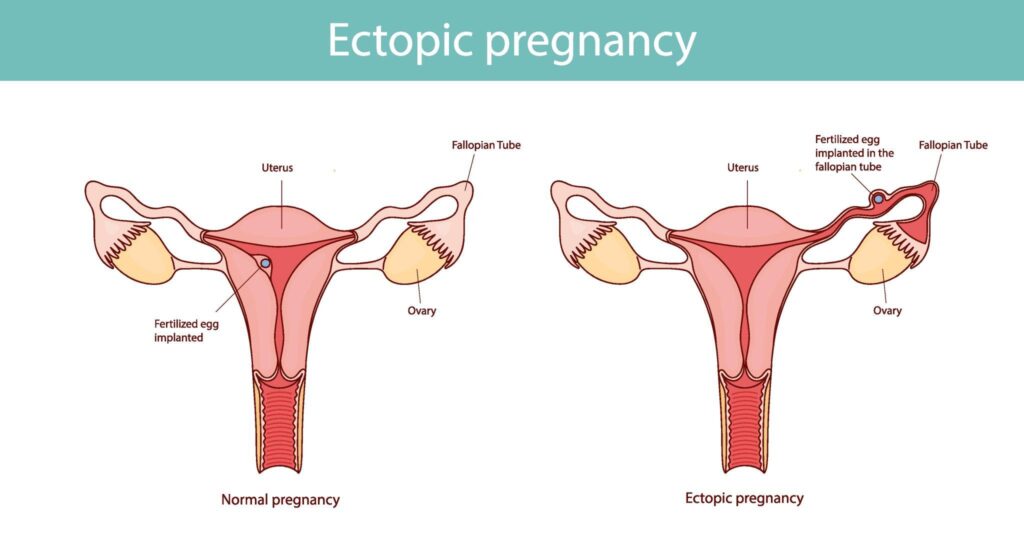
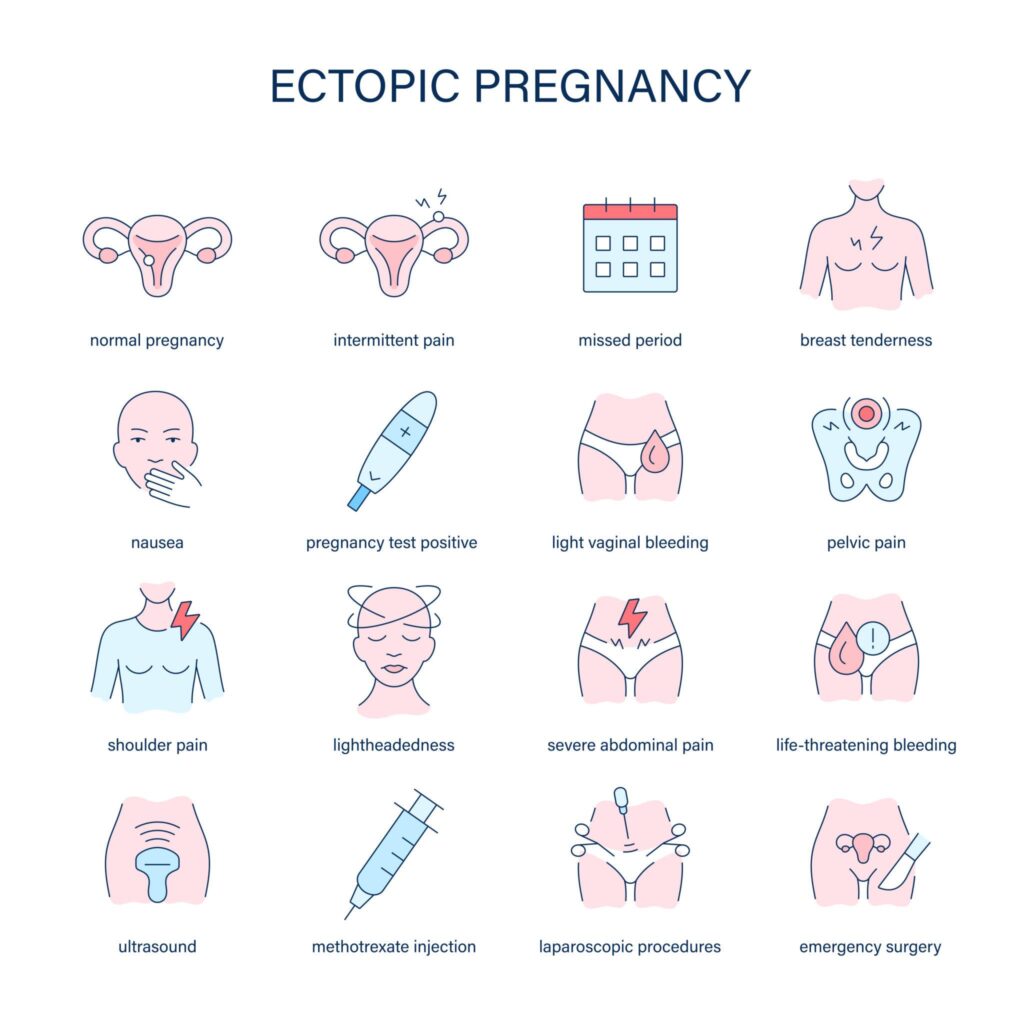
An ectopic pregnancy occurs when the fertilised egg develops outside the uterus. This condition is life-threatening if untreated.
Possible warning signs include:
- Sharp pain on one side of the abdomen
- Shoulder pain
- Dizziness or fainting
- Vaginal bleeding
What to do:
If these symptoms appear, go to the hospital immediately. Early treatment can prevent serious complications.
To understand these situations in detail, read our complete guide on In What Situations Pregnancy Becomes Difficult for Women, where we explain common risk factors, stress, lack of support, health conditions, and warning signs that require extra care.
How do I know my pregnancy is high-risk?
When to Go to Hospital During Second Trimester
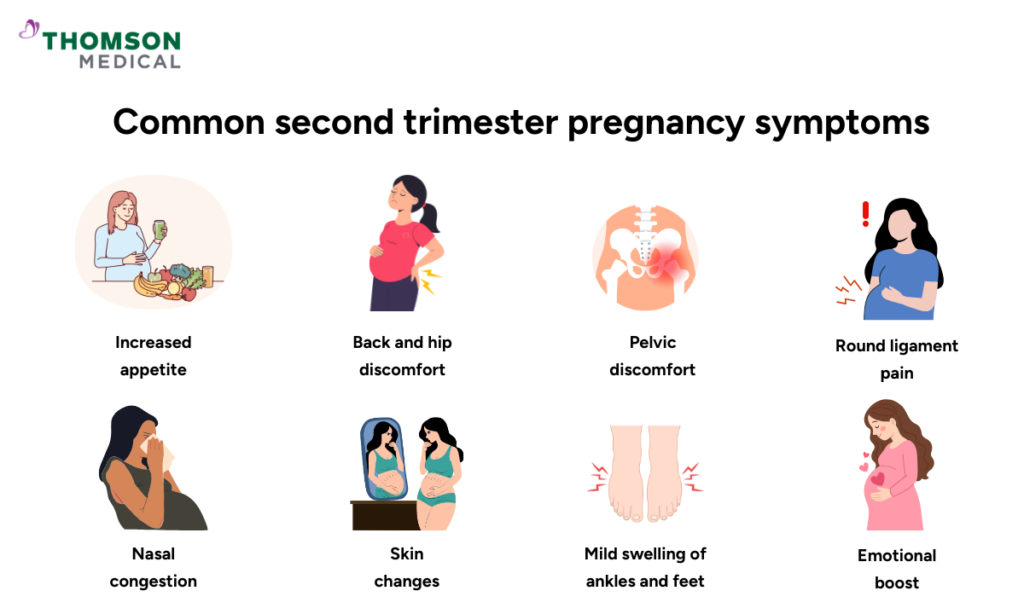
The second trimester (weeks 13–27) is often more stable, but serious symptoms can still develop. Any unusual or severe symptom should not be ignored.
Severe Abdominal Pain
Persistent or intense abdominal pain during the second trimester is a warning sign.
- Sharp or constant pain
- Pain combined with bleeding or fever
- Pain that suddenly worsens
What to do:
The pregnant woman should be examined at a hospital to rule out serious complications.
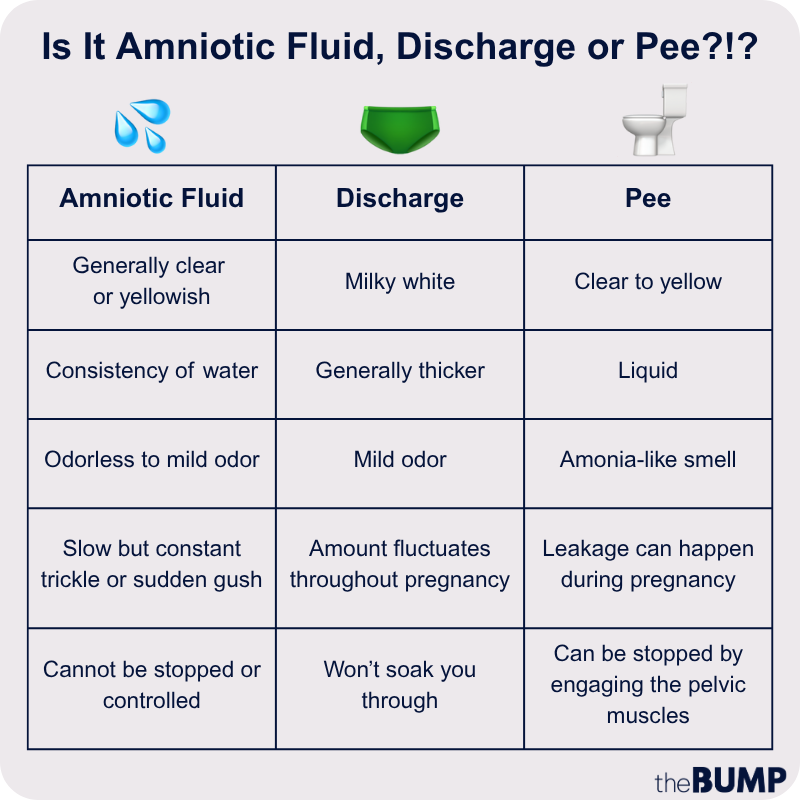
Sudden Vaginal Discharge
Changes in vaginal discharge are common, but sudden or unusual discharge may indicate a problem.
Warning signs include:
- Watery discharge that may suggest early rupture of membranes
- Foul-smelling discharge
- Green or yellow discharge
- Discharge accompanied by itching or irritation
What to do:
If any abnormal discharge appears, the woman should seek medical assessment promptly.
Signs of Infection
Infections during pregnancy can affect both mother and baby.
- Fever
- Chills
- Pain or burning during urination
- Lower abdominal pain
- General weakness
What to do:
Any sign of infection requires medical attention at a hospital or health centre to prevent complications.
Important Reminder
During both the first and second trimesters, it is always safer to seek medical advice if symptoms feel severe, unusual, or worrying.
Early care helps ensure a healthier pregnancy and protects both mother and baby.
Pregnancy Warning Signs That Require Immediate Hospital Care
When to Go to Hospital During Late Pregnancy (Third Trimester)
The third trimester (weeks 28 until birth) is a critical time. While regular check-ups are important, some symptoms require immediate hospital care to protect both the mother and the baby.
Preterm Labor Symptoms
Preterm labor means labor starting before 37 weeks of pregnancy.
Warning signs include:
- Regular contractions or tightening of the uterus
- Lower back pain that does not go away
- Pelvic pressure
- Abdominal cramps or pain
What to do:
If these symptoms appear before 37 weeks, the pregnant woman must receive immediate medical care at a hospital for assessment and care.
Water Breaking Early
Water breaking before labor begins can be dangerous, especially if it happens too early.
Signs may include:
- Sudden gush of fluid from the vagina
- Continuous leaking of clear or pale fluid
What to do:
Even if there is no pain, go to the hospital immediately. Early rupture of membranes increases the risk of infection and preterm birth.
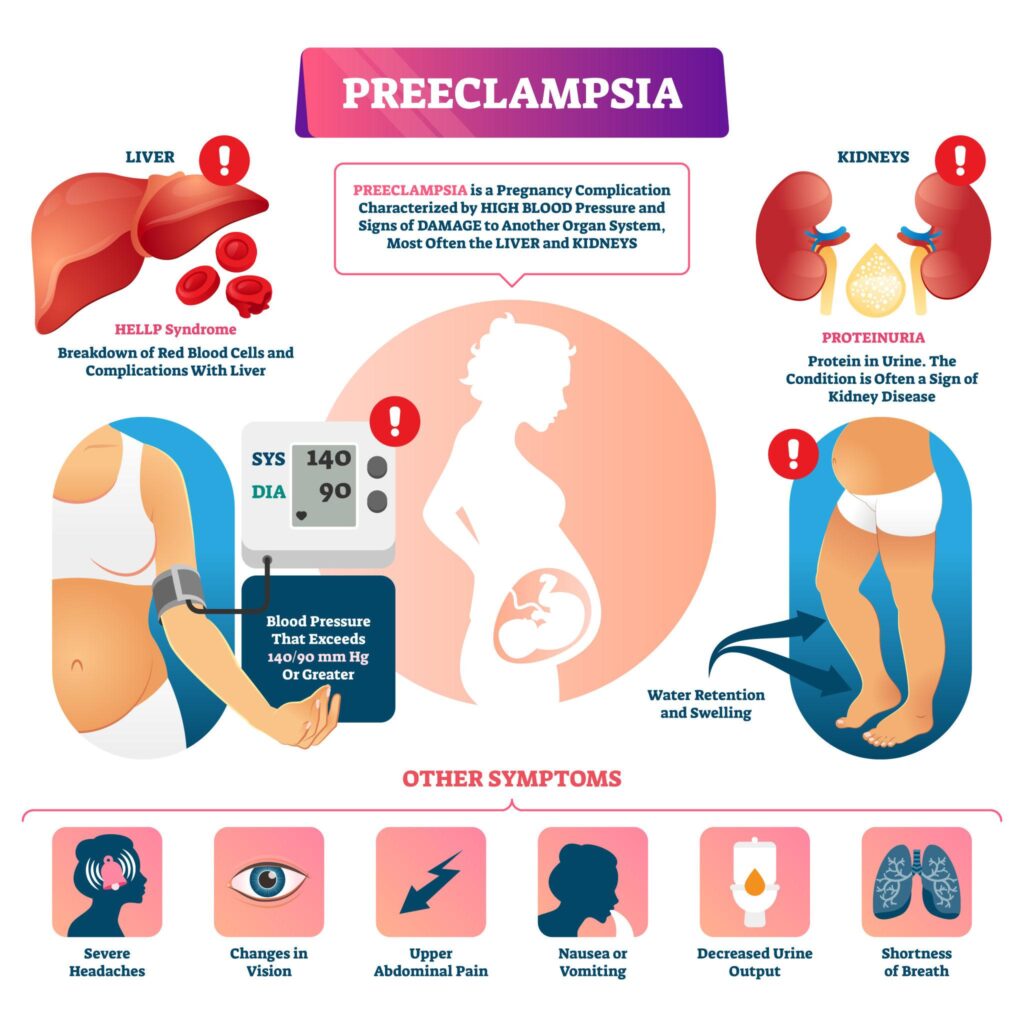
High Blood Pressure Symptoms
High blood pressure during late pregnancy is a serious condition.
Warning signs include:
- Severe headache
- Blurred or double vision
- Sudden swelling of face, hands, or feet
- Nausea or vomiting
What to do:
These symptoms require urgent hospital evaluation, as untreated high blood pressure can be life-threatening.
Reduced Fetal Movement
A decrease in the baby’s movement is a serious warning sign in the third trimester.
- Baby movements become weaker
- Fewer movements than usual
- No movement felt for several hours
What to do:
If fetal movement is reduced or absent, the mother should go to the hospital immediately for urgent monitoring.
When is a pregnancy considered high risk?
A pregnancy is considered high risk when the mother or baby has a greater chance of developing complications. Women with high-risk pregnancies require closer monitoring and regular medical care.
High Blood Pressure
High blood pressure during pregnancy increases the risk of serious complications.#
- Can affect blood flow to the baby
- Increases the risk of premature birth
👉 Regular monitoring and medical care are essential.
Diabetes During Pregnancy
Diabetes during pregnancy can affect both the mother and the baby.
- Can lead to large birth weight
- Increases the risk of delivery complications
👉 Women with diabetes need frequent check-ups and proper treatment.
History of Miscarriage
Women who have experienced previous miscarriages may have a higher risk in future pregnancies.
- Requires closer medical monitoring
- Early detection of problems improves outcomes
Multiple Pregnancy (Twins or Triplets)
Carrying more than one baby increases physical stress on the body.
- Higher risk of preterm labor
- Increased chance of pregnancy complications
👉 Such pregnancies are considered high risk and should be monitored closely by healthcare professionals.
Final Advice
Women with high-risk pregnancies should never ignore symptoms and should attend all scheduled antenatal visits.
Early hospital care and regular monitoring can greatly improve the safety of both mother and baby.
Pregnancy Conditions & Warning Signs (Table Format)
| Condition / Risk Factor | Key Symptoms or Signs | Why It’s Serious | Action Needed |
|---|---|---|---|
| High Blood Pressure Symptoms | Severe headache, blurred vision, swelling of face/hands | Risk of preeclampsia, stroke, organ damage | Go to hospital immediately |
| Reduced Fetal Movement | Baby moving less or not at all | Possible fetal distress | Urgent hospital check |
| Diabetes During Pregnancy | Extreme thirst, frequent urination, fatigue | Affects baby’s growth & delivery | Regular monitoring / hospital care |
| High Blood Pressure (Chronic) | Persistent high BP readings | Can lead to early delivery | Close medical supervision |
| History of Miscarriage | Previous pregnancy loss | Higher-risk pregnancy | Early & frequent hospital visits |
What Symptoms Mean Pregnancy Emergency?
A pregnancy emergency is any condition that poses an immediate risk to the life or health of the mother or baby.
These symptoms require urgent medical attention and immediate hospital care. Delaying treatment can lead to serious complications.
Uncontrolled Bleeding
Uncontrolled or heavy bleeding during pregnancy is a medical emergency.
- Bleeding that soaks pads quickly
- Continuous bleeding that does not stop
- Passing large blood clots
- Bleeding accompanied by weakness, dizziness, or fainting
Why it is dangerous:
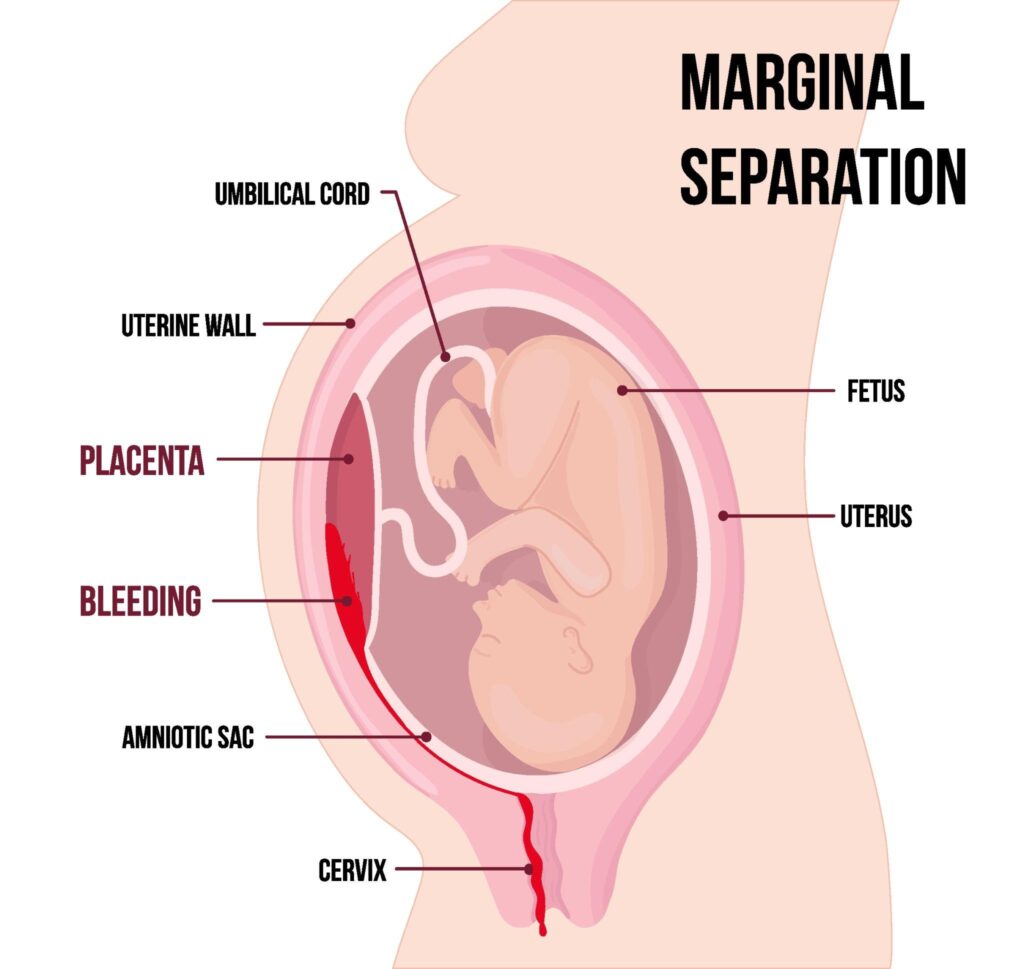
Severe bleeding can cause shock, miscarriage, placental separation, or loss of blood supply to the baby.
What to do:
Call emergency services or go to the nearest hospital immediately.
Loss of Consciousness
Fainting or loss of consciousness during pregnancy is never normal.
- Sudden collapse or blackout
- Confusion after regaining consciousness
- Dizziness followed by fainting
Why it is dangerous:
Loss of consciousness may be caused by severe blood loss, low blood pressure, seizures, or heart problems.
What to do:
This is an emergency situation. The pregnant woman must receive immediate medical care.
Severe Trauma or Accident
Any serious injury during pregnancy requires urgent evaluation, even if there is no visible bleeding.
Examples include:
- Road traffic accidents
- Falls from height
- Physical assault
- Direct injury to the abdomen
Why it is dangerous:
Trauma can cause internal bleeding, placental injury, or harm to the baby without obvious symptoms.
What to do:
After any significant accident or trauma, go to the hospital immediately for assessment and monitoring.
Severe Allergic Reaction
Severe allergic reactions during pregnancy are life-threatening.
Warning signs include:
- Swelling of the face, lips, tongue, or throat
- Difficulty breathing or swallowing
- Sudden rash, hives, or itching
- Drop in blood pressure or collapse
Why it is dangerous:
Severe allergies can block the airway and reduce oxygen supply to both mother and baby.
What to do:
This requires immediate emergency medical treatment. Arrange immediate transport to the nearest hospital or call for emergency help.
Additional Pregnancy Emergency Symptoms
Other symptoms that should always be treated as emergencies include:
- Severe chest pain
- Sudden difficulty breathing
- Seizures or convulsions
- Sudden severe abdominal pain
- No fetal movement in late pregnancy
Important Rule:
If a symptom appears suddenly, worsens quickly, or causes fear, do not wait. Seek emergency medical help immediately.
Final Safety Message
Pregnancy emergencies can develop rapidly. Quick action and early hospital care can save the life of the mother and baby. It is always safer to seek emergency care than to wait at home.
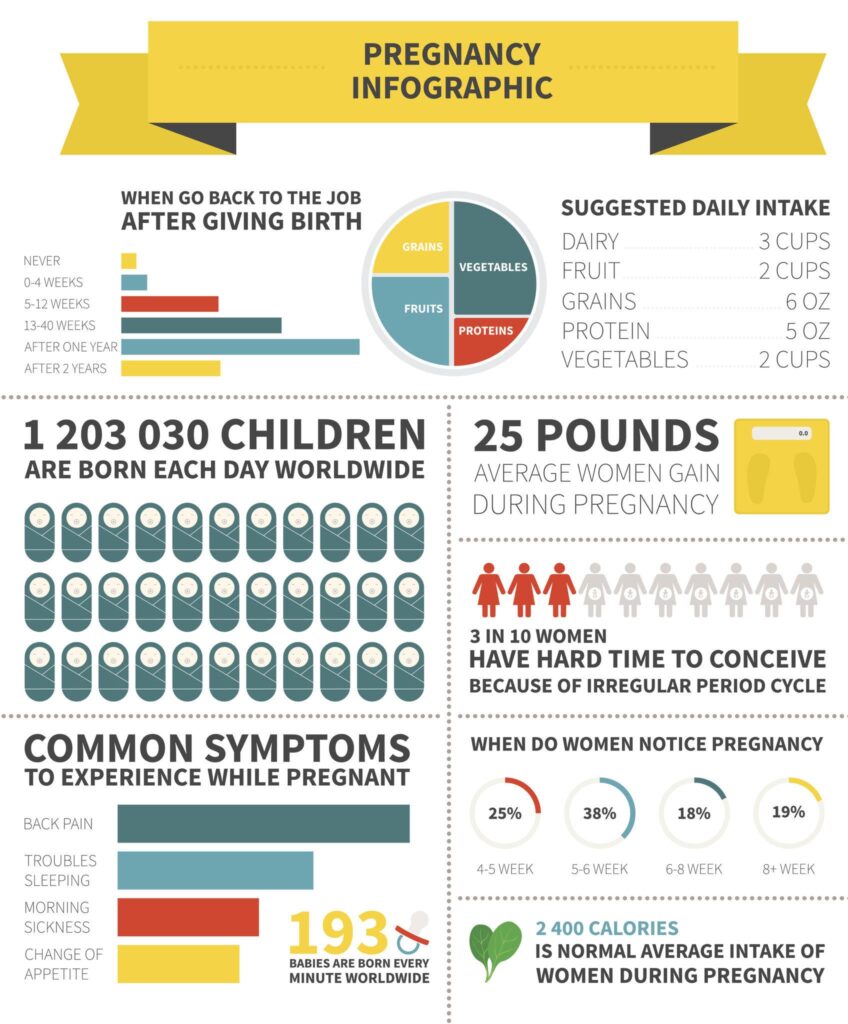
Which Pregnancy Symptoms Are Not Normal?
While many physical changes occur during pregnancy, some symptoms are not normal and should never be ignored. These signs may indicate serious complications and require medical attention.
Persistent Severe Pain
Mild aches can be normal, but persistent or severe pain is a warning sign.
- Pain that does not improve with rest
- Sharp or constant abdominal pain
- Severe lower back or pelvic pain
- Pain that interferes with daily activities
Why it is not normal:
Persistent pain may indicate internal bleeding, infection, or other pregnancy complications.
What to do:
Any pregnant woman experiencing severe or ongoing pain should go to a hospital or health centre immediately.
High Fever
A high fever during pregnancy is not normal and can be harmful.
- Body temperature above normal levels
- Fever accompanied by chills or sweating
- Fever with body aches or weakness
Why it is not normal:
High fever may be a sign of infection, which can affect both the mother and the baby if untreated.
What to do:
Visit a healthcare professional urgently for assessment and necessary care.
Foul-Smelling Vaginal Discharge
Normal vaginal discharge should not have a strong or unpleasant smell.
- Discharge with a strong, foul odour
- Change in colour (green, yellow, or grey)
- Discharge with itching, burning, or irritation
Why it is not normal:
Foul-smelling discharge often indicates infection, which can lead to pregnancy complications if untreated.
What to do:
The pregnant woman should be examined at a hospital or health centre as soon as possible.
When Should a Pregnant Woman Go to Hospital Immediately?
A pregnant woman should never delay seeking medical care if serious symptoms appear. Immediate hospital visits can prevent life-threatening complications.
Quick Checklist for Emergency Hospital Visit
Go to the hospital immediately if a pregnant woman experiences:
- Heavy or uncontrolled vaginal bleeding
- Severe abdominal or lower back pain
- Loss of consciousness or fainting
- Seizures or convulsions
- Severe headache with blurred vision
- Sudden swelling of face, hands, or feet
- Difficulty breathing or chest pain
- High fever
- Reduced or no baby movement
- Water breaking early
- Severe trauma or accident
Final Safety Advice
If a pregnant woman feels that something is not normal, it is always safer to seek medical care immediately.
Trusting early warning signs and acting quickly can save the life of both mother and baby.
What to Do Before Going to Hospital
When a pregnant woman experiences a warning sign or emergency, being prepared can help doctors provide faster and safer care.
Even in urgent situations, a few simple steps can make a big difference.
What Information to Carry
Before going to the hospital, carry the following information if possible:
- Pregnancy card or antenatal record
- Medical history (such as high blood pressure, diabetes, or anemia)
- List of current medications or supplements
- Blood group and Rh factor, if known
- Previous pregnancy history (miscarriage, C-section, complications)
- Expected due date
- Name and contact details of the regular doctor or midwife
Why this matters:
This information helps healthcare providers quickly understand the pregnancy condition and start proper treatment without delay.
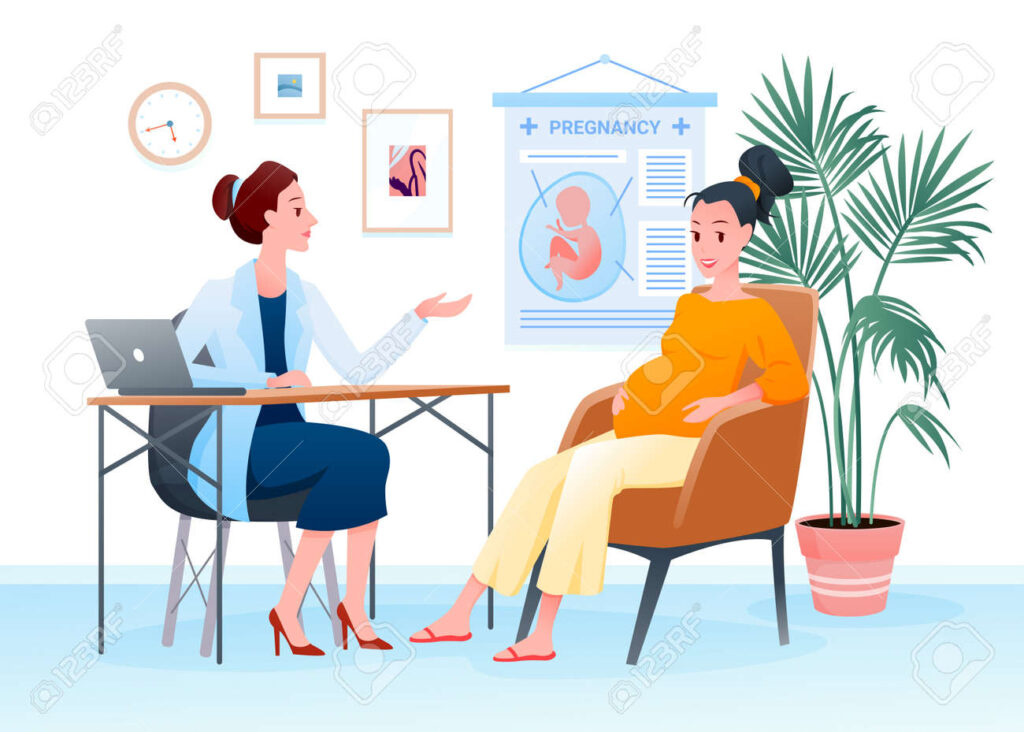
Emergency Contact Tips
In pregnancy emergencies, quick communication is essential.
Helpful tips include:
- Keep emergency phone numbers saved on the mobile phone
- Share emergency contact details with family members
- Inform a trusted person (partner, family member, neighbour) when going to the hospital
- Do not travel alone if possible, especially during severe symptoms
- Call emergency services if the woman is unable to move or loses consciousness
Important advice:
If the situation is serious, do not wait to collect everything. The most important thing is to reach the hospital as quickly as possible.
Final Reminder
Preparation should never delay emergency care. If danger signs appear, seek medical help immediately, even if all information is not available.
Final Thoughts: Trust Your Body and Seek Help Early
Every pregnancy is different, and a woman often knows when something does not feel right. Trusting your body and acting early can prevent serious complications and save lives.
Ignoring warning signs or waiting too long can increase risks for both the mother and the baby.
Pregnancy danger signs do not always appear suddenly. Some start mild and become severe over time.
Seeking medical care early allows healthcare professionals to identify problems quickly and provide timely treatment.
No symptom is too small if it causes concern. It is always better to visit a hospital and be reassured than to stay at home and risk serious harm.
Family members and caregivers should also support pregnant women in seeking help without delay.
Early action, regular check-ups, and awareness of danger signs are key to a safer pregnancy and a healthier outcome for both mother and baby.
Which pregnancy symptom requires immediate care?
Heavy bleeding, severe abdominal pain, loss of consciousness, seizures, difficulty breathing, or no baby movement require immediate medical care.
What are the warning signs to go to the hospital during pregnancy?
Go to the hospital for heavy bleeding, severe pain, high fever, sudden swelling, severe headache with vision problems, or reduced fetal movement.
When should I go to urgent care if pregnant?
Go to urgent care for mild bleeding, persistent vomiting, urinary pain, moderate pain, or fever when symptoms are concerning but not life-threatening.
What are 6 danger signs in pregnancy?
Heavy vaginal bleeding
Severe abdominal pain
Severe headache or blurred vision
High fever
Reduced baby movement
Seizures or fainting
What is the 5-5-1 rule in pregnancy?
Contractions every 5 minutes, lasting 5 seconds, for 1 hour — this usually means go to the hospital.
What are 10 serious complications of pregnancy?
Preeclampsia, severe bleeding, gestational diabetes, preterm labor, infections, placental problems, ectopic pregnancy, seizures, anemia, and reduced fetal growth.
What are some unusual pregnancy symptoms?
Severe itching, foul-smelling discharge, sudden swelling, chest pain, extreme dizziness, or persistent vomiting are not normal and should be checked.
What are emergencies in pregnancy?
Uncontrolled bleeding, seizures, loss of consciousness, breathing difficulty, severe trauma, chest pain, or no fetal movement are pregnancy emergencies.
Should I go to urgent care to confirm I’m pregnant?
Usually no. Home pregnancy tests are accurate. Urgent care is needed only if you have pain, bleeding, or other concerning symptoms.
Leave a Reply