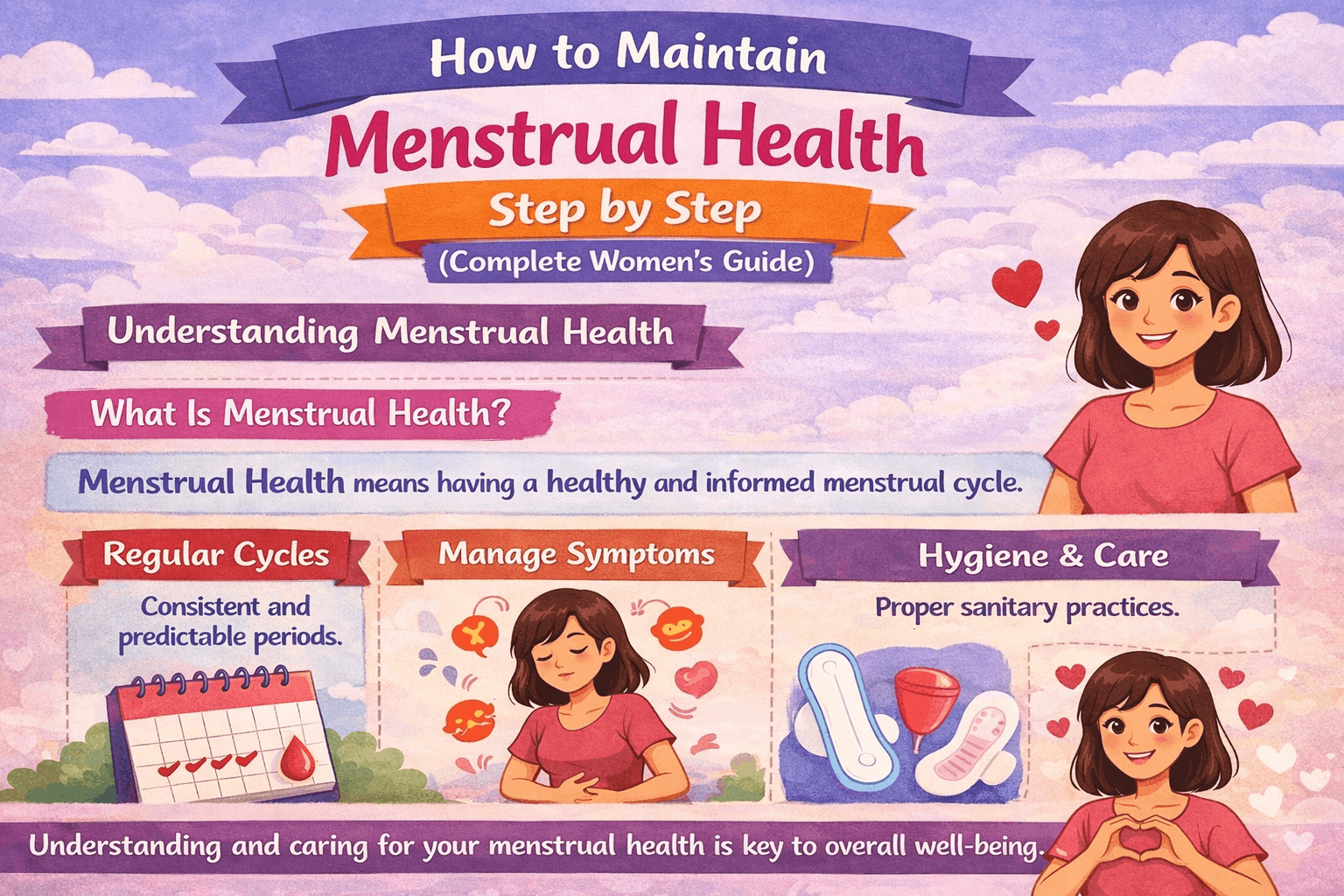
Understanding Menstrual Health
What Is Menstrual Health?
Menstrual health involves a woman’s physical condition, emotional balance, and reproductive wellness as they relate to her monthly menstrual cycle. It means having regular periods, manageable symptoms, proper hygiene practices, and awareness of what is normal for your body.
Table of Contents
Menstruation begins when the ovaries start functioning during puberty. Each month, one egg matures and travels through the fallopian tube toward the uterus. If the egg is not fertilized, the thickened lining of the uterus sheds and leaves the body through the vagina as menstrual bleeding.
Maintaining menstrual health includes:
- Tracking your cycle
- Practicing proper hygiene
- Eating a balanced diet
- Managing stress
- Seeking medical advice when necessary
Why Menstrual Health Matters for Women
Menstrual health is an important part of overall health and reproductive well-being. A healthy menstrual cycle often reflects balanced hormones and proper body function.
Good menstrual health helps:
- Support normal physical growth during adolescence
- Prevent infections through proper hygiene
- Detect irregularities early
- Maintain hormonal balance
- Improve emotional and mental well-being
Ignoring menstrual problems such as severe pain, heavy bleeding, or irregular cycles may lead to long-term health issues. Early awareness and timely care are essential.
What Is a Normal Menstrual Cycle?
A normal menstrual cycle typically occurs every 28 days, although cycles between 23 and 33 days are also considered normal.
Menstrual bleeding usually lasts between 3 and 10 days.
Common normal symptoms during menstruation may include:
- Mild lower abdominal pain
- Back pain
- Headache
- Fatigue
- Mood changes
These symptoms are caused by hormonal changes involving estrogen and progesterone. Mild discomfort is common and usually does not require medical treatment.
However, medical advice should be sought if:
- Periods are extremely painful
- Bleeding is very heavy
- Periods are very irregular
- Menstruation starts before age 9 or does not begin by early adolescence
Understanding what is normal for your body helps you maintain better menstrual health.
Learn how to identify early signs of anemia in girls, including fatigue, dizziness, and pale skin, and when to seek medical advice.
Step 1- Track Your Menstrual Cycle Regularly
Tracking your menstrual cycle helps you understand what is normal for your body. It allows you to recognize changes early, manage symptoms better, and maintain overall menstrual health. Regular tracking is especially helpful during adolescence and early adulthood when cycles may still be adjusting.
How to Calculate Your Menstrual Cycle
Your menstrual cycle is counted from the first day of your period to the first day of your next period.
Steps to calculate your cycle:
- Count the first day of menstrual bleeding as the starting point of your cycle, known as Day 1.
- Count each day until your next period begins
- The full count of days between one period and the next determines your menstrual cycle length.
A normal menstrual cycle usually lasts between 23 and 33 days, with 28 days being the average. Bleeding typically lasts 3 to 10 days. Minor variations from month to month are common, especially during teenage years.
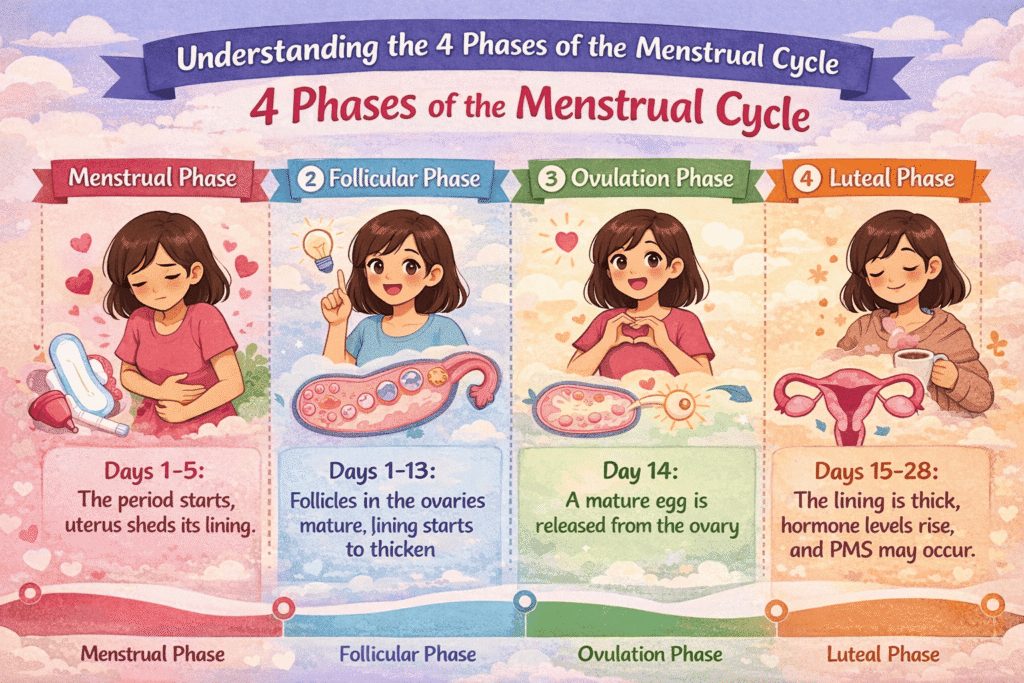
Understanding the 4 Phases of the Menstrual Cycle
The menstrual cycle is divided into four phases, each controlled by hormonal changes.
1. Menstrual Phase
This phase begins when menstrual bleeding starts. The uterus sheds its lining, which exits the body as menstrual blood. Mild cramps, fatigue, and back pain are common.
2-Follicular Phase
During this phase, the ovaries prepare an egg for release. Estrogen levels rise, and the uterine lining begins to thicken again. Energy levels may gradually improve.
2. Ovulation Phase
An egg is released from the ovary and travels through the fallopian tube. This phase occurs around the middle of the cycle. Some women may notice mild abdominal discomfort or increased discharge.
3. Luteal Phase
Following ovulation, progesterone rises to help the uterus get ready for a possible pregnancy. If pregnancy does not occur, hormone levels fall, leading to the next period. Mood changes or bloating may occur during this phase.
Best Ways to Track Your Period
Tracking your period can be done in simple and effective ways:
- Writing period dates in a calendar or notebook
- Using a menstrual cycle tracking chart
- Using a period tracking mobile app
- Noting symptoms such as pain, mood changes, or flow intensity
Regular tracking helps identify irregular patterns, heavy bleeding, or missed periods. If unusual changes persist, it is important to consult a healthcare professional.
Step 2 – Maintain Proper Menstrual Hygiene
Maintaining proper menstrual hygiene is essential for preventing infections, reducing discomfort, and supporting overall reproductive health. During menstruation, the body is more sensitive, so cleanliness and correct product use are very important.
Good hygiene practices help reduce odor, itching, irritation, and the risk of bacterial growth.
Choosing the Right Menstrual Products
There are different menstrual products available. Choosing the right one depends on comfort, flow level, lifestyle, and personal preference.
Common menstrual products include:
- Sanitary pads – Easy to use and suitable for most age groups
- Tampons – Worn internally and convenient for active lifestyles
- Menstrual cups – Reusable and environmentally friendly
- Clean cotton cloth – If used, it must be properly washed, dried in sunlight, and kept clean
This step-by-step self-breast examination guide helps women monitor breast health and detect changes early at home.
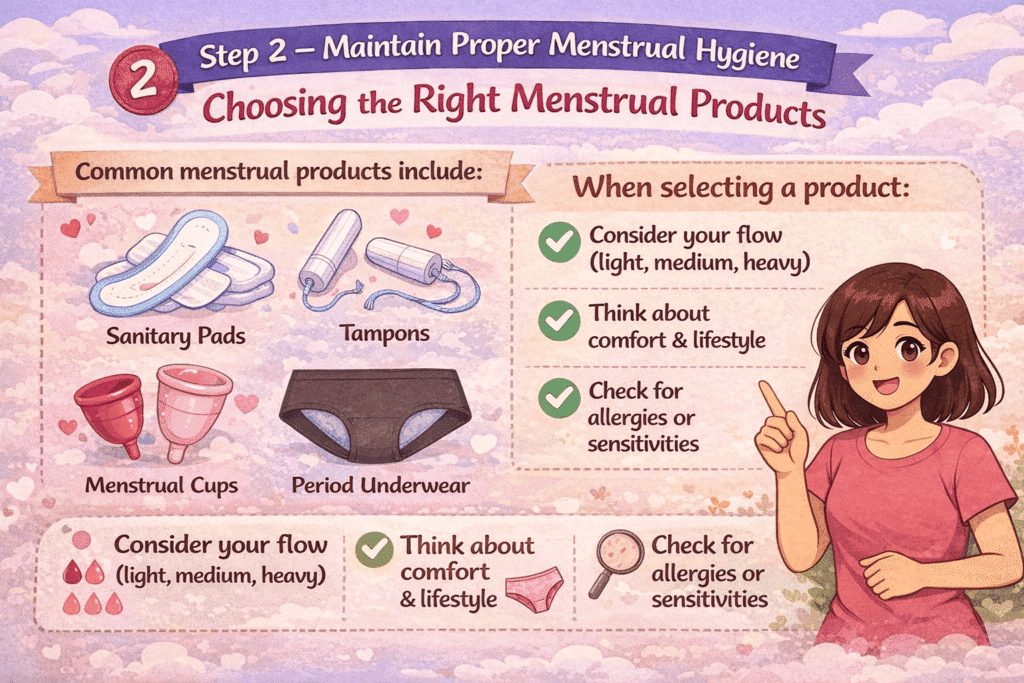
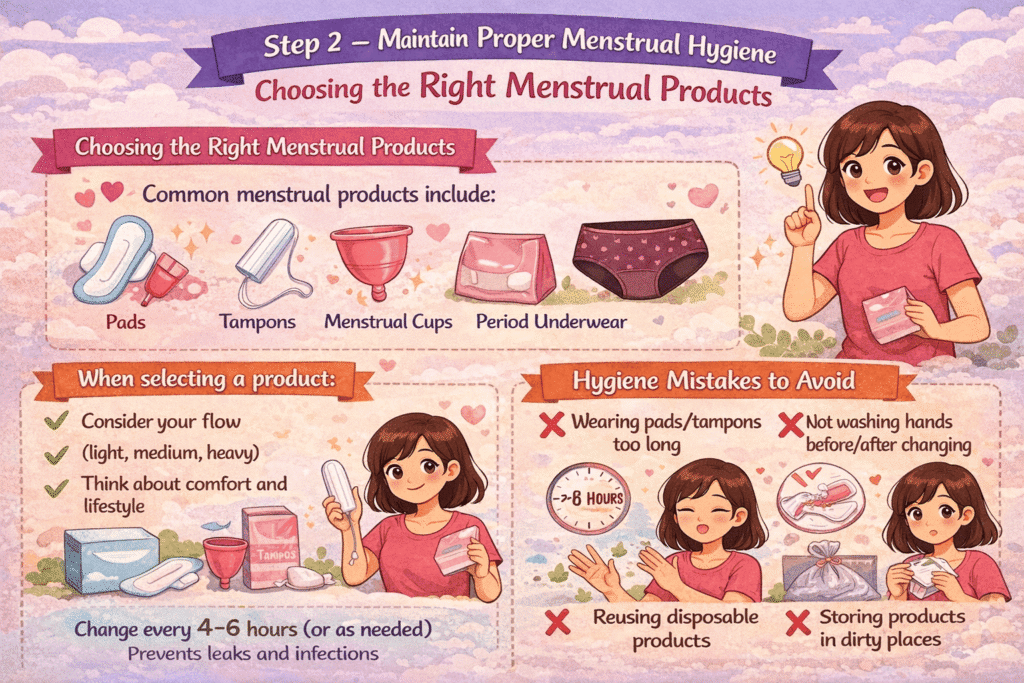
When selecting a product:
- Choose the correct absorbency for your flow
- Use products made from safe, breathable materials
- Avoid using unclean or damp cloth
- Store products in a clean, dry place
If irritation, itching, or unusual discharge occurs, consider changing the product type and consult a healthcare professional if symptoms persist.
How Often to Change Pads or Tampons
Changing menstrual products regularly is very important to prevent infection and odor.
General recommendations:
- Change sanitary pads every 4–6 hours, or sooner if heavily soaked
- Change tampons every 4–8 hours
- Never use the same pad or tampon for an extended period
- Menstrual cups should be emptied and washed according to instructions (usually every 6–12 hours depending on flow)
Prolonged use of a single pad or tampon can lead to bacterial growth and discomfort. Menstrual blood, when exposed to air for long periods, may produce odor and increase infection risk. Pintrest
Daily bathing during menstruation is recommended. Washing the genital area with clean water and mild soap helps maintain hygiene.
Hygiene Mistakes to Avoid
Avoid these common mistakes to maintain good menstrual health:
- Not changing pads or tampons frequently
- Using unwashed or damp cloth
- Wearing tight, non-breathable underwear
- Skipping bathing during menstruation
- Using harsh chemicals or strongly scented products in the genital area
- Ignoring itching, irritation, or unusual discharge
Proper menstrual hygiene reduces pain, itching, discomfort, and the risk of infection. Maintaining cleanliness supports both physical comfort and long-term reproductive health.
How to Maintain Menstrual Health: A Step-by-Step Guide
Step 3 – Eat a Balanced Diet for Hormonal Health
A balanced diet plays an important role in maintaining hormonal balance and supporting menstrual health. Proper nutrition helps reduce fatigue, supports healthy blood levels, and may ease common menstrual symptoms.
During adolescence and adulthood, the body needs adequate nutrients to manage hormonal changes related to the menstrual cycle.
Best Foods for Menstrual Health
Including a variety of nutritious foods helps the body function properly during the menstrual cycle.
Recommended foods include:
- Fresh fruits and vegetables
- Whole grains such as rice, oats, and whole wheat
- Milk and dairy products
- Pulses, beans, and lentils
- Eggs, fish, and lean meat
- Nuts and seeds
These foods provide essential vitamins, minerals, and energy needed for healthy menstruation and overall well-being.
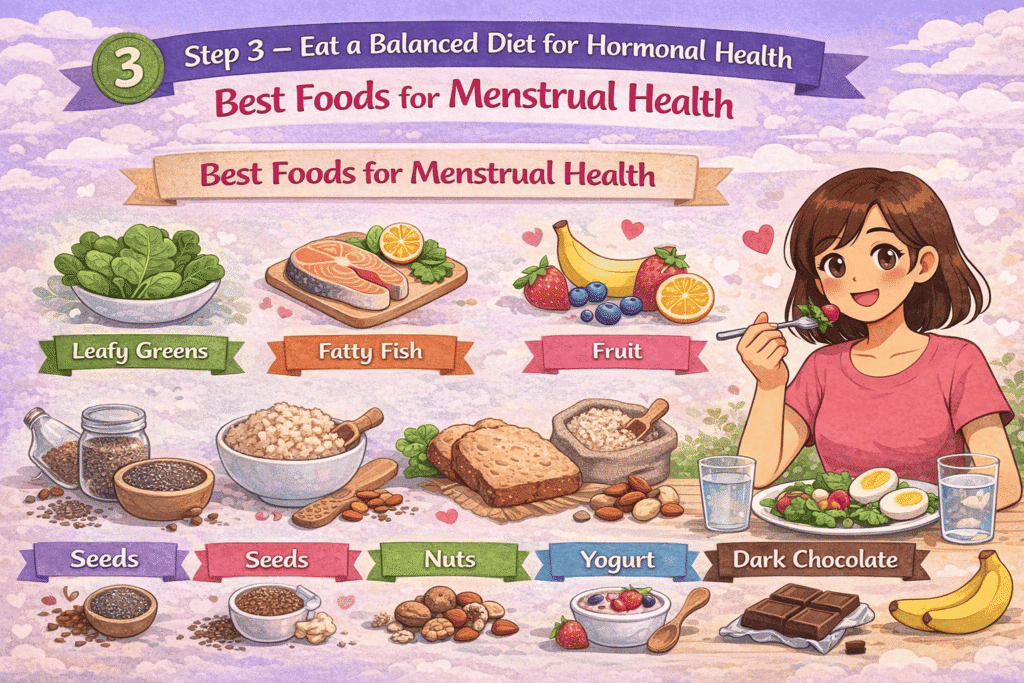
Iron & Magnesium for Period Support
Iron and magnesium are especially important during menstruation.
- Iron helps replace blood lost during periods and prevents weakness and anemia.
To maintain healthy iron levels, include foods such as dark leafy greens, legumes like lentils and beans, lean meats, and iron-enriched grain products in your daily diet. - Magnesium is found in nuts, seeds, whole grains, bananas, and dark chocolate.
Children or women with low blood levels may require iron and folic acid supplements, as advised by a healthcare professional.
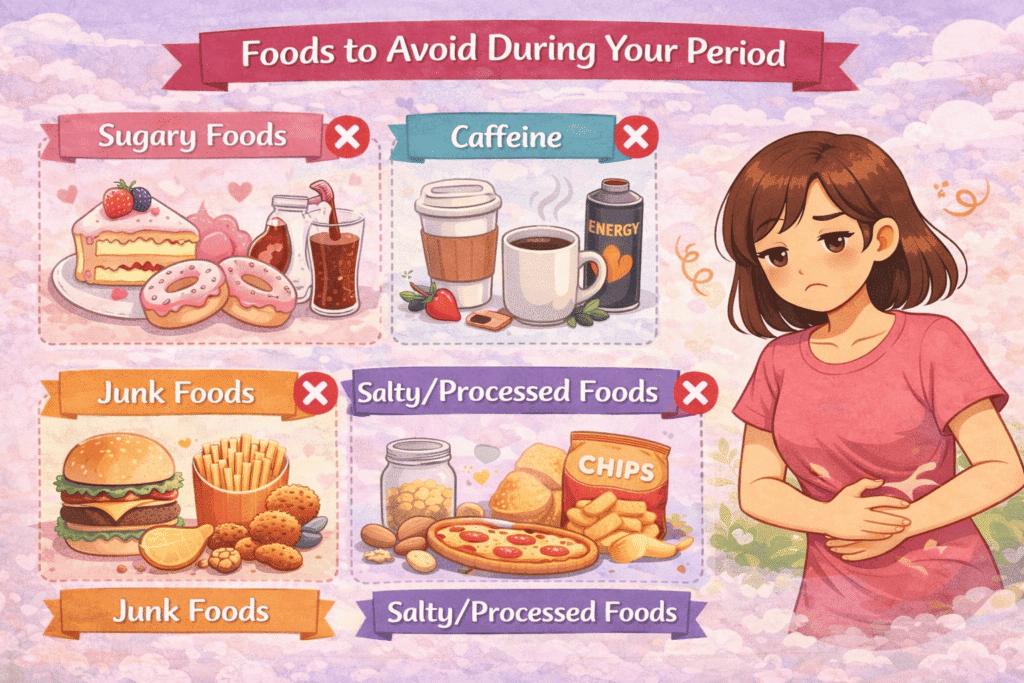
Foods to Avoid During Your Period
Certain foods may worsen bloating, cramps, or discomfort during menstruation.
It is best to limit:
- Very salty foods
- Sugary snacks and sweets
- Fried and oily foods
- Excess caffeine
- Highly processed foods
Reducing these foods may help improve comfort and reduce menstrual symptoms.
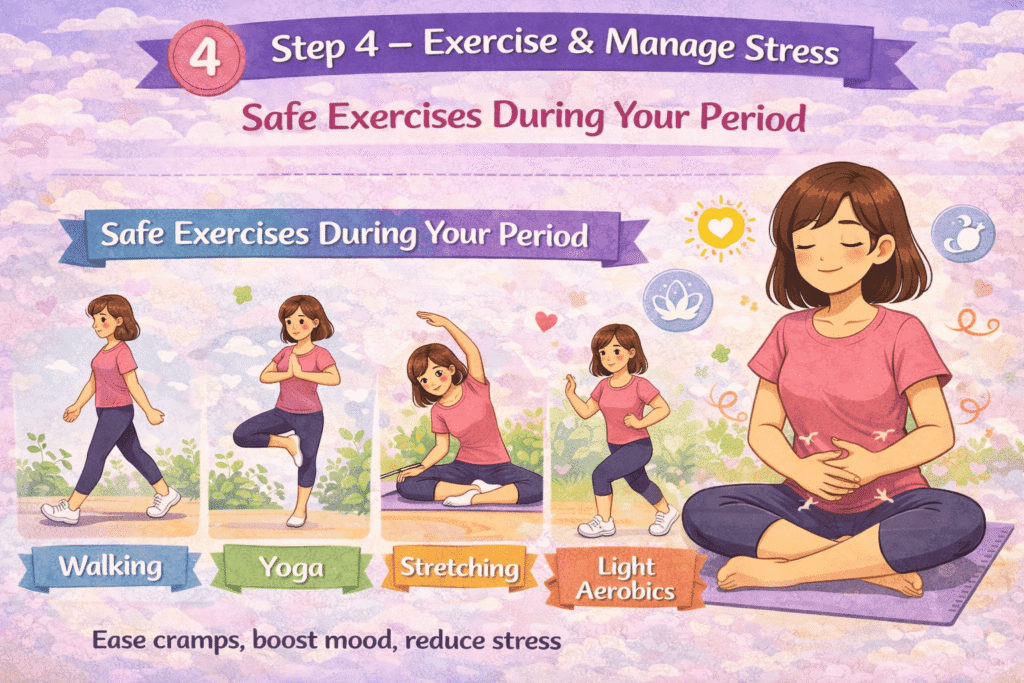
Step 4 – Exercise & Manage Stress
Regular physical activity and stress management support hormonal balance and improve menstrual comfort. Light exercise can help reduce cramps, improve mood, and increase energy levels during periods.
Safe Exercises During Your Period
Gentle exercises are usually safe during menstruation and can help reduce discomfort.
Examples include:
- Walking
- Stretching
- Light cycling
- Gentle home exercises
Physical activity increases blood circulation and may help ease cramps and fatigue.
Yoga for Menstrual Cramps
Yoga can be helpful during menstruation when practiced gently.
Benefits of yoga during periods include:
- Relaxing abdominal muscles
- Reducing lower back pain
- Improving mood and mental calm
Simple yoga stretches and breathing exercises can provide comfort and relaxation during menstrual days.
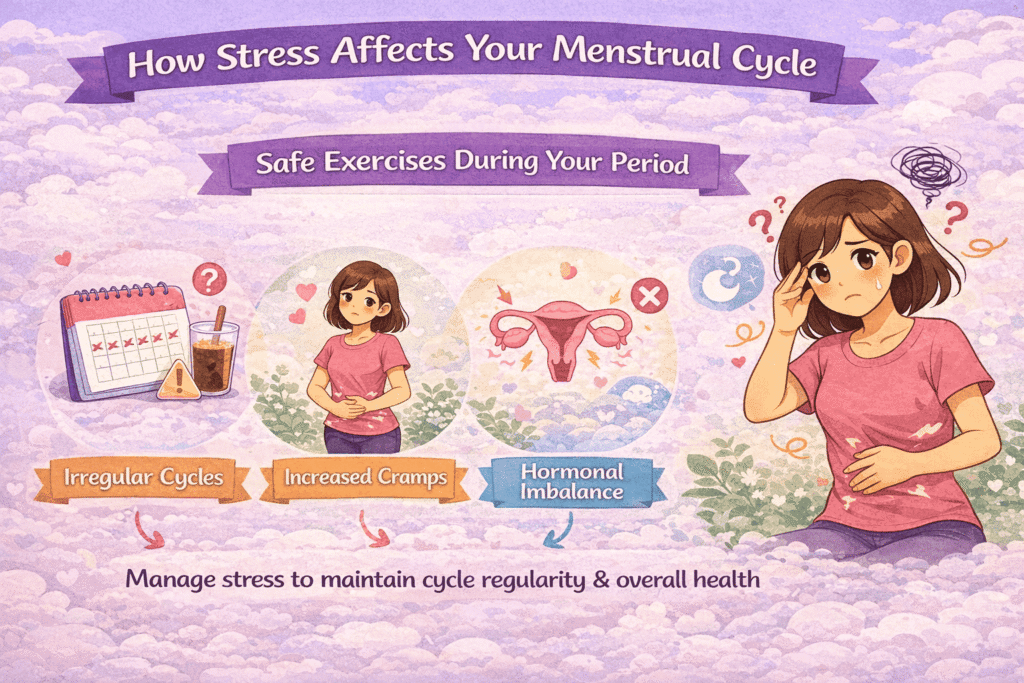
How Stress Affects Your Menstrual Cycle
Long-term stress has the potential to disrupt the body’s hormonal balance, which may result in various physical or emotional changes.
- Delayed periods
- Irregular cycles
- Increased menstrual pain
- Mood changes
Managing stress through relaxation, adequate sleep, physical activity, and emotional support helps maintain a regular and healthy menstrual cycle.
Explore the average cost of breast cancer treatment in the USA, including diagnosis, surgery, chemotherapy, and long-term care.
Step 6 – When to See a Doctor for Menstrual Health
Mild pain, fatigue, and discomfort during menstruation are common and usually not a cause for concern. However, some menstrual symptoms are not normal and may indicate an underlying health issue.
Knowing when to seek medical advice helps prevent complications and supports long-term reproductive health. Early consultation can lead to timely diagnosis and proper treatment.
Signs Your Period Is Not Normal
Medical guidance is recommended if any concerning signs or symptoms begin to appear.
- Menstrual cycles that are consistently irregular
- Periods that stop for several months without pregnancy
- Menstrual cycles shorter than 23 days or longer than 33 days
- Sudden changes in cycle length or flow
These changes may be related to hormonal imbalance, stress, or other medical conditions.
Severe Period Pain That Needs Medical Attention
While mild cramps are normal, severe or disabling pain is not.
Seek medical advice if:
- Pain interferes with daily activities or school/work
- Pain does not improve with rest or simple pain relief
- Severe pain occurs before or during every period.
Such pain may be linked to conditions that require medical evaluation.
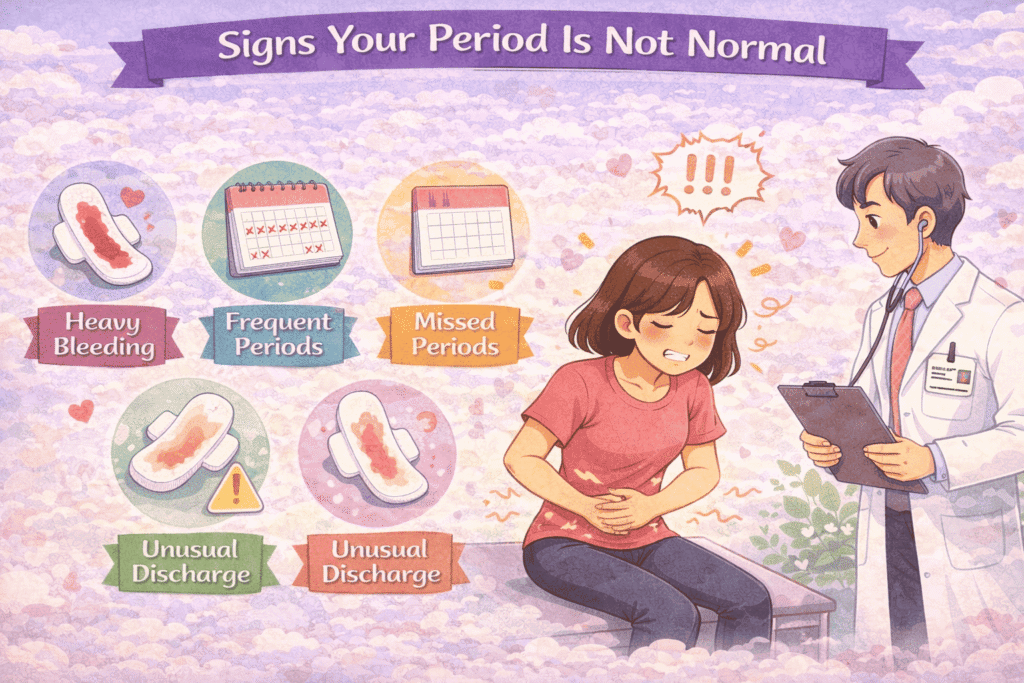
Heavy or Unusual Menstrual Bleeding
Consult a healthcare professional if you experience:
- Menstrual flow heavy enough to fully soak pads or tampons within one to two hours
- Menstrual bleeding lasting less than 3 days or more than 10 days
- Passing very large blood clots
- Bleeding between periods
Heavy or prolonged bleeding can lead to anemia and should not be ignored.
Missed, Early, or Delayed Periods
Medical advice is recommended if:
- Menstruation starts before age 9
- Periods have not started by early adolescence
- Periods are frequently delayed or missed without pregnancy
These situations may indicate developmental, hormonal, or nutritional concerns.
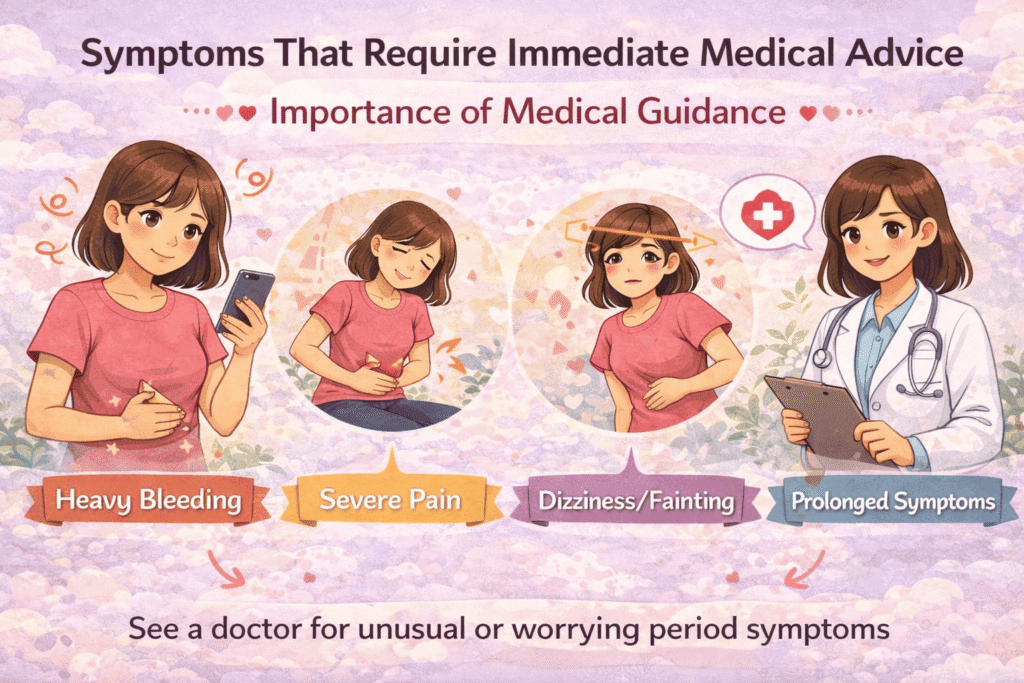
Symptoms That Require Immediate Medical Advice
Seek prompt medical care if menstruation is accompanied by:
- Severe weakness or dizziness
- Fainting
- Fever or signs of infection
- Unusual vaginal discharge with odor or itching
These symptoms may indicate infection or other health problems requiring urgent attention.
Importance of Medical Guidance
A healthcare professional can:
- Identify the cause of menstrual problems
- Recommend appropriate treatment or lifestyle changes
- Provide guidance on nutrition, hygiene, and supplements
- Support overall reproductive and hormonal health
Important: This guide is for educational purposes only and does not replace professional medical advice. For proper assessment and medical care, it is important to seek advice from a licensed healthcare professional.
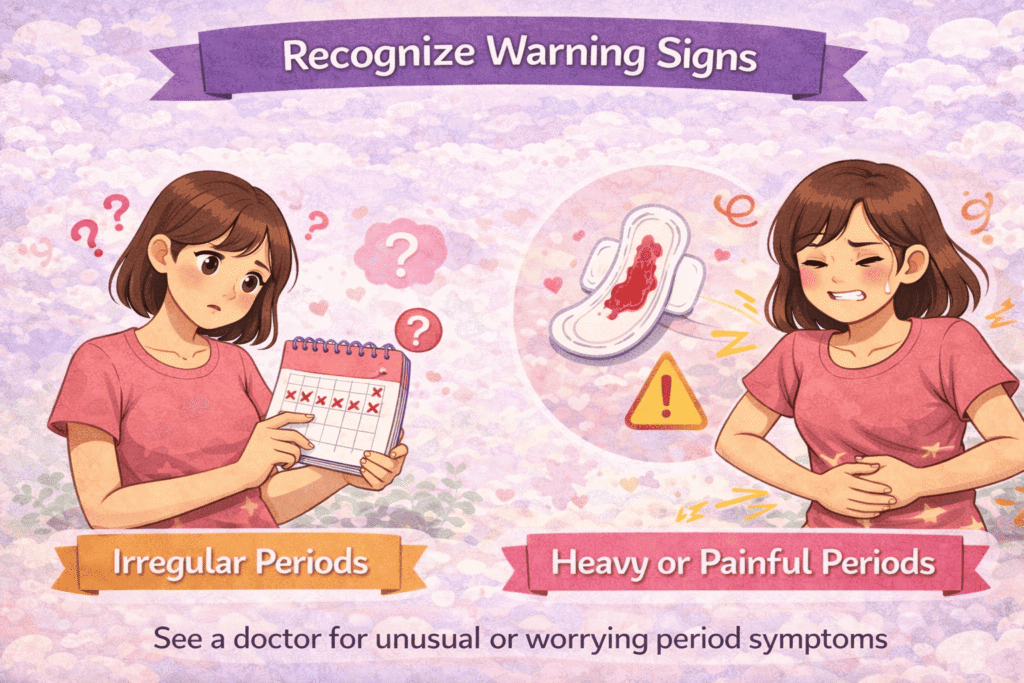
Step – Recognize Warning Signs
While many menstrual symptoms are normal, some signs should not be ignored. Recognizing warning signs early helps prevent complications and supports long-term menstrual and reproductive health.
Irregular Periods
Irregular periods mean that the menstrual cycle does not follow a consistent pattern.
You may have irregular periods if:
- Cycle length changes frequently
- Periods come too early or too late every month
- Periods stop for several months without pregnancy
Occasional irregularity can happen due to stress, illness, or lifestyle changes. However, frequent irregular periods may indicate hormonal imbalance, nutritional deficiencies, or other health concerns.
Heavy or Painful Periods
Mild cramps and discomfort during menstruation are common. However, heavy bleeding or severe pain is not normal.
Warning signs include:
- Bleeding that soaks through pads or tampons quickly
- Period pain that interferes with daily activities
- Pain that does not improve with rest or simple care
- Periods lasting less than 3 days or more than 10 days
Heavy or painful periods can lead to weakness, fatigue, and anemia if not addressed.
When to See a Doctor
Medical guidance should be obtained whenever unusual or concerning symptoms arise.
- Severe or worsening menstrual pain
- Very heavy or prolonged bleeding
- Irregular or missed periods over several months
- Menstruation starting before age 9
- Menstruation not starting by early adolescence
- Dizziness, fainting, or signs of infection during periods
A healthcare professional can identify the cause and recommend appropriate treatment or lifestyle changes.
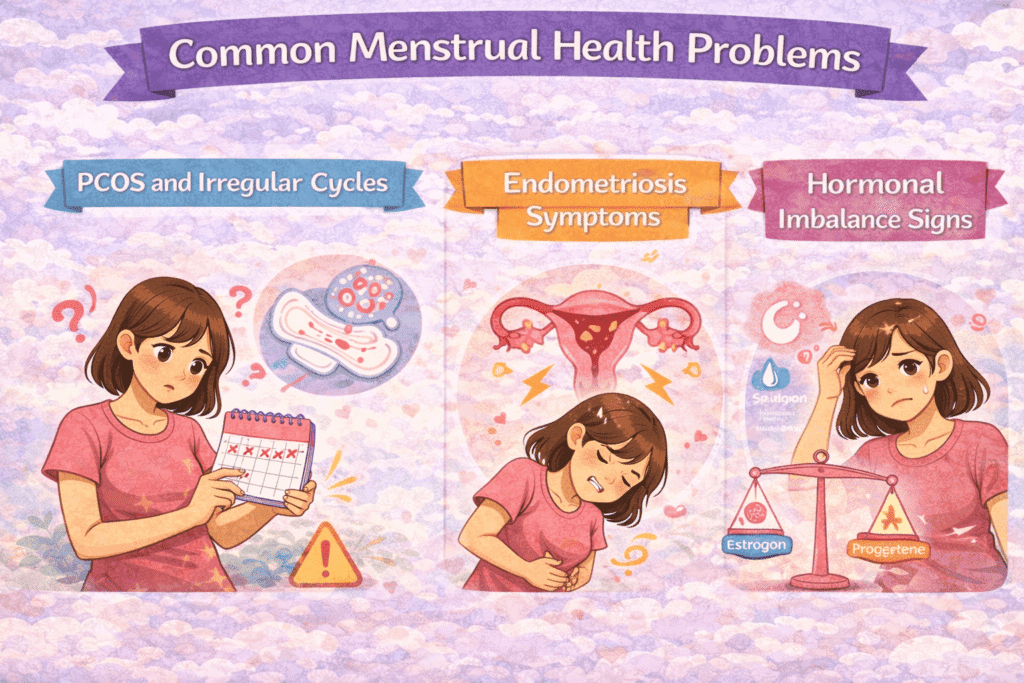
Common Menstrual Health Problems
Some menstrual problems are linked to underlying health conditions. Awareness of these conditions helps in seeking timely medical care.
PCOS and Irregular Cycles
Polycystic Ovary Syndrome (PCOS) is a condition that affects hormone levels and ovulation.
Common signs include:
- Irregular or missed periods
- Excess facial or body hair
- Weight changes
- Acne
PCOS can affect menstrual regularity and may require medical management.
Endometriosis Symptoms
Endometriosis occurs when tissue similar to the uterine lining grows outside the uterus.
Endometriosis is a medical condition in which tissue resembling the inner lining of the uterus develops in areas beyond the womb.
Possible symptoms include:
- Severe menstrual pain
- Pain during daily activities
- Heavy or irregular bleeding
- Fatigue
Symptoms that continue over time or become intense require assessment by a trained medical specialist.
Hormonal Imbalance Signs
Hormonal imbalance can disrupt the menstrual cycle and overall well-being.
Common signs include:
- Irregular periods
- Mood changes
- Fatigue
- Weight fluctuations
- Changes in bleeding patterns
Hormonal imbalances may be influenced by stress, diet, lifestyle, or medical conditions and often require professional guidance.
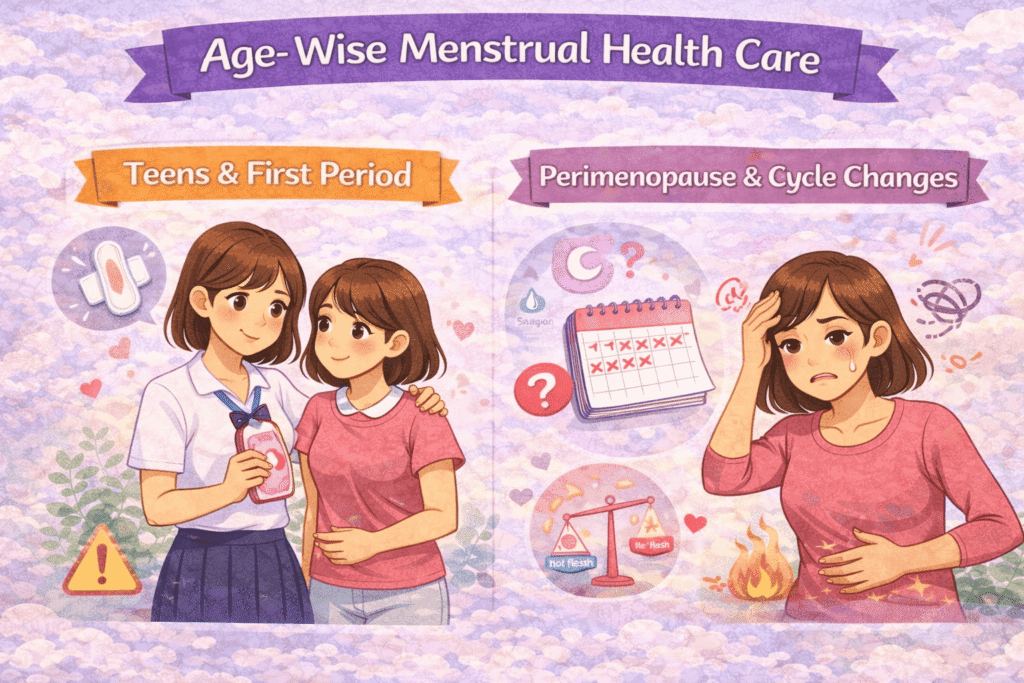
Age-Wise Menstrual Health Care
Menstrual health needs change at different stages of life. Understanding these changes helps women take better care of their bodies, recognize what is normal, and seek help when needed.
Teens & First Period
The first menstrual period usually begins between the ages of 10 and 13, although it can start earlier or later. This stage is part of puberty, when the body undergoes rapid physical and hormonal changes.
At this stage:
- Periods may be irregular during the first few years
- Mild cramps, fatigue, and mood changes are common
- Proper menstrual hygiene and nutrition are especially important
Teens should be educated about:
- Tracking their menstrual cycle
- Using clean and safe menstrual products
- Maintaining personal hygiene
- Eating a balanced diet
Parents or guardians should consult a healthcare professional if menstruation begins before age 9, does not start by early adolescence, or is associated with severe pain or very heavy bleeding.
Menstrual Health in Your 20s & 30s
During the 20s and 30s, menstrual cycles are often more regular. This stage is important for maintaining long-term reproductive and hormonal health.
Key care tips include:
- Continuing regular cycle tracking
- Managing stress and getting enough sleep
- Maintaining a balanced diet rich in iron and nutrients
- Staying physically active
Following a nutritious eating plan that supplies sufficient iron along with other vital nutrients supports overall health.
Changes such as irregular periods, severe pain, or heavy bleeding during this age should not be ignored, especially if they interfere with daily life.
Perimenopause & Cycle Changes
Perimenopause is the transitional phase before menopause and usually begins in the 40s, though it may start earlier for some women.
During perimenopause:
- Periods may become irregular
- Cycle length and flow may change
- Hormonal fluctuations can cause mood changes, fatigue, or sleep problems
These changes are common, but very heavy bleeding, prolonged periods, or severe symptoms should be evaluated by a healthcare professional.
Understanding perimenopause helps women prepare for menopause and maintain better health during this transition.
What are the steps to maintain good menstrual hygiene?
Change pads/tampons every 4–6 hours
Wash hands before & after changing
Bathe daily
Wear clean, breathable underwear
Dispose products properly
What is the 7-2-1 rule for menstruation?
7 days max period length
2 hours max for one pad/tampon
1 pad/tampon at a time (never layer)
What fruits help vaginal odor stay normal?
Pineapple 🍍
Apples 🍎
Berries 🍓
Citrus fruits 🍊
(They support hydration & pH — not magic fixes)
What is the best vaginal wash?
None needed
If required: unscented, pH-balanced external wash only
How many days is an unhealthy period?
An unhealthy period is usually one that lasts less than 2 days or longer than 7 days.
Signs of successful ovulation?
Clear, stretchy cervical mucus
Mild lower-abdominal pain
Increased libido
Slight rise in body temperature
How many pads per day are considered heavy?
More than 6–8 fully soaked pads/da
Signs of a healthy period?
Cycle: 21–35 days
Duration: 3–7 days
Manageable pain
Consistent flow
Is 2 pads a day normal?
Yes — if pads are not fully soaked
Signs of hormonal imbalance?
Irregular periods
Acne
Hair loss or excess hair growth
Mood swings
Weight changes
Fatigue
Leave a Reply